When flooding strikes, many homeowners focus on visible areas of damage basements, floors, and walls. But one of the most vulnerable and often overlooked areas is the crawl space. If left unaddressed, floodwater in crawl spaces can cause structural damage, promote mold growth, and compromise indoor air quality. Here’s how to care for your crawl space during and after a flood to protect your home long-term.
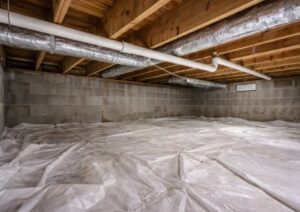
Why Crawl Spaces Are High-Risk Areas During Floods
Crawl spaces are especially prone to flooding due to their location beneath the home’s foundation. Because they sit low to the ground, water can easily seep or rush in during heavy rains, snowmelt, or plumbing failures.
Common consequences of a flooded crawl space:
-
Warped or rotting floor joists
-
Foundation cracks or shifting
-
Mold and mildew development
-
Pest infestation
-
Musty odors and poor indoor air quality
Step-by-Step: What to Do If Your Crawl Space Floods
1. Don’t Enter Until It’s Safe
Never enter a flooded crawl space without professional guidance. Standing water can hide sharp debris, pests, or electrical hazards.
2. Contact a Restoration Company Immediately
Time is critical. Restoration professionals like RestoPros of Hudson County can safely assess the damage, pump out water, and begin drying.
3. Remove Standing Water
Using industrial pumps and vacuums, professionals will extract water to prevent saturation of wood and insulation.
4. Dry the Area Thoroughly
Commercial-grade air movers, dehumidifiers, and crawl space ventilation systems are used to remove excess moisture and prevent mold growth.
5. Clean and Sanitize
Once dry, the crawl space should be cleaned and treated with anti-microbial agents to prevent fungal or bacterial growth.
6. Inspect Insulation and Structure
Insulation, vapor barriers, or damaged structural elements may need to be removed or replaced to ensure long-term safety and efficiency.
Preventative Tips: Preparing Your Crawl Space for Future Flooding
Flooding is sometimes unavoidable, but proactive maintenance can limit its effects.
✅ Install a Sump Pump
A sump pump in your crawl space can automatically remove water as it enters, reducing the risk of pooling and long-term damage.
✅ Encapsulate the Crawl Space
Sealing the crawl space with a vapor barrier and insulating it can protect against moisture intrusion and humidity buildup.
✅ Keep Gutters and Downspouts Clear
Ensure water is draining away from the foundation, not toward it.
✅ Regular Inspections
Schedule seasonal inspections especially before and after heavy rains or snowmelt to catch issues early.
Why Professional Help Matters
Flooded crawl spaces require more than just a wet/dry vacuum. Proper drying, monitoring, and microbial treatment require specialized equipment and training to ensure your home is safe and secure.
RestoPros of Hudson County specializes in crawl space mitigation and water damage restoration. We’re equipped to respond quickly, assess the extent of damage, and restore your home the right way, giving you peace of mind in even the worst storms.
Don’t Wait Until It’s Too Late
Crawl space flooding can lead to long-term structural issues and health risks if ignored. Whether you’ve just experienced water intrusion or want to prepare your property for the season ahead, contact RestoPros of Hudson County today for a full inspection and expert flood prevention support.