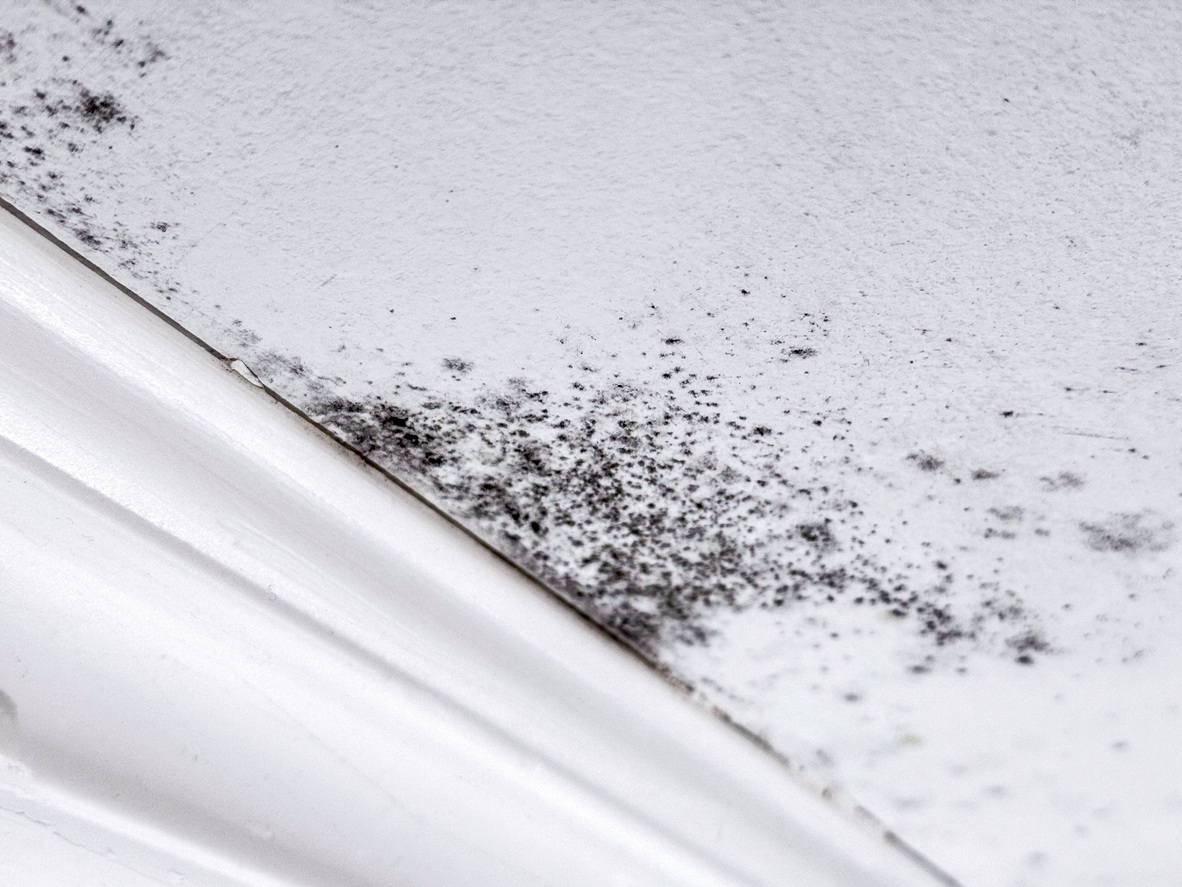
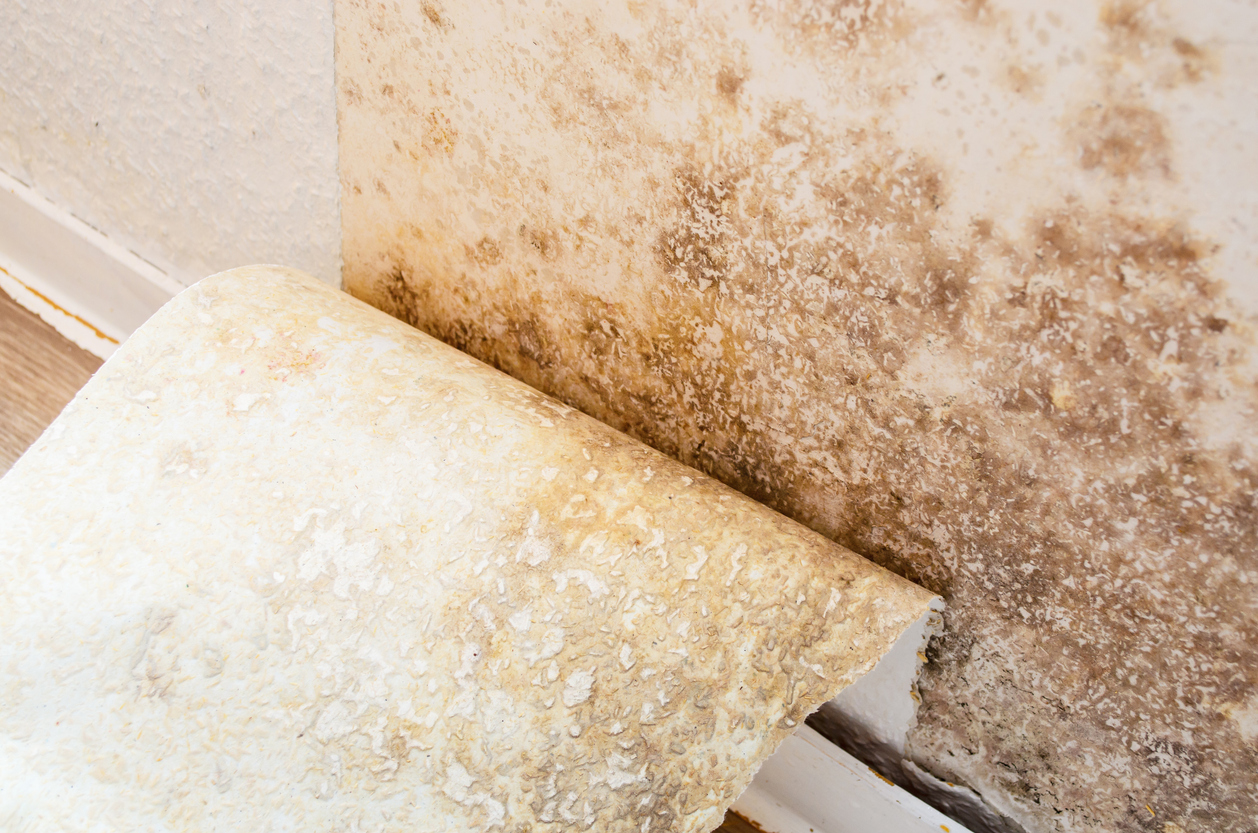
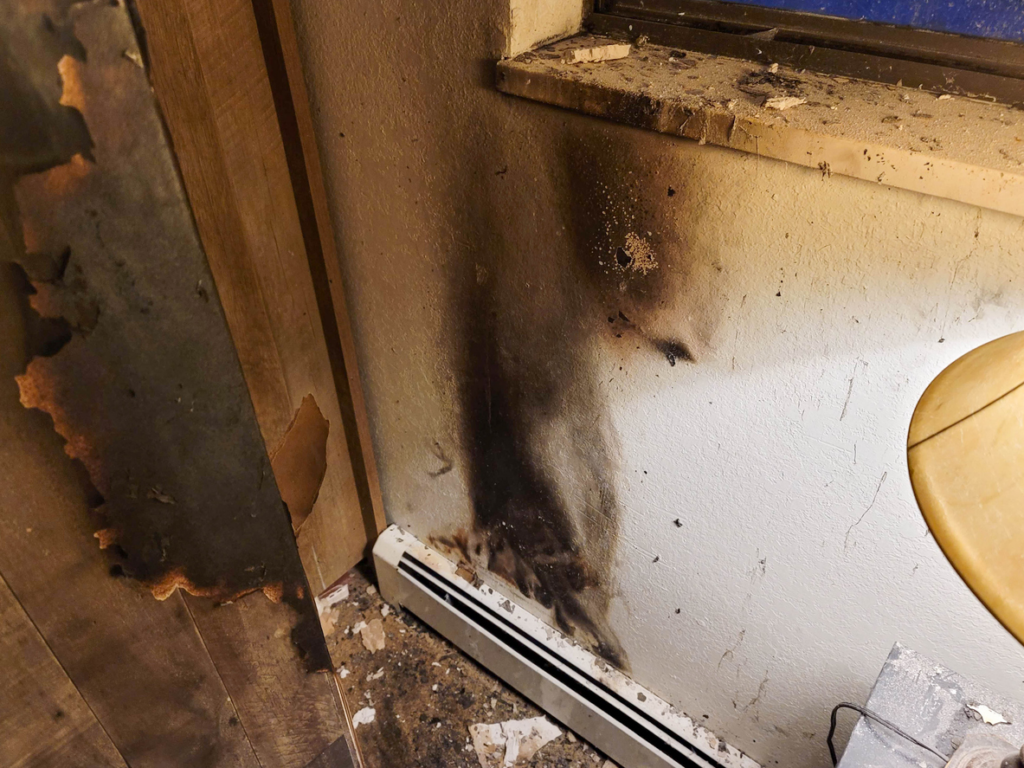
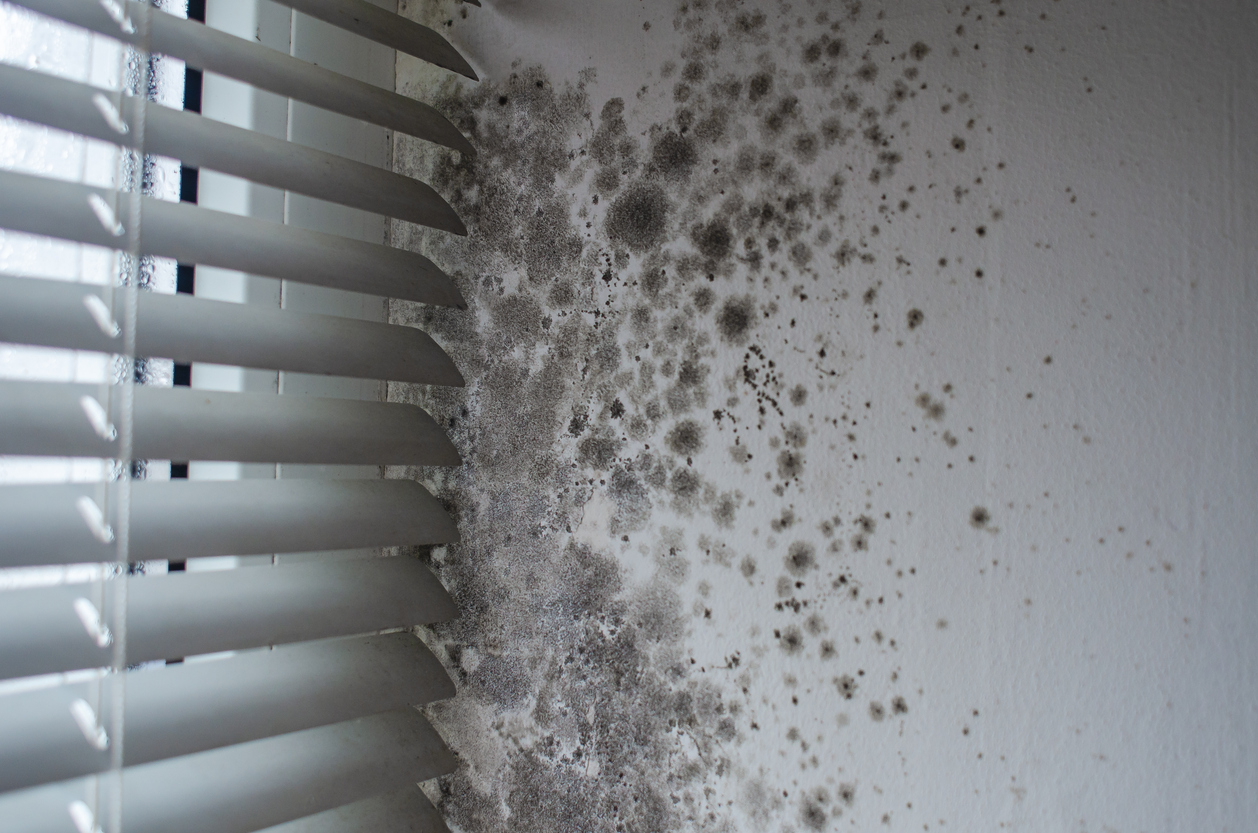
Mold on ceiling next to window

Mold Remediation in Reno

A musty smell in the house. Dark growth around a bathroom or window. Water staining that keeps getting worse.

Mold doesn’t always announce itself. In many Reno homes and businesses, it starts somewhere out of sight after a plumbing leak, roof leak, condensation problem, or water damage event.

If you’ve discovered mold on your Reno property, RestoPros of Reno-Tahoe can help identify the affected areas, contain the contamination, remove damaged materials, and address the moisture conditions that allowed the mold to develop.

mold-remediation

Mold Can Happen in Reno – Even With Our Dry Climate

Reno’s high-desert climate might make mold seem like an unlikely problem. Outside, the air is generally dry. Inside a building, however, one persistent moisture source can create a completely different environment.

A slow plumbing leak behind a wall, a roof leak that goes unnoticed, condensation around an HVAC system, or moisture collecting in a crawl space can provide enough moisture for mold to grow.

Seasonal conditions can contribute as well. Snow and Sierra snowmelt can introduce moisture around foundations and crawl spaces, particularly when drainage isn’t moving water away from the property effectively.

Once mold establishes itself, simply wiping down the visible area doesn’t necessarily solve the problem. The moisture source and affected materials have to be addressed as part of the remediation process.

mold-remediation

Crawl Space Mold in Reno?

Reno-area crawl spaces can develop moisture problems for several different reasons.

Ground moisture, drainage issues, plumbing leaks, condensation, and seasonal snowmelt can all introduce moisture underneath a home.

Once humidity or moisture remains elevated in the crawl space, mold can develop on wood framing, insulation, subflooring, and other materials.

If you find mold or a musty smell coming from your crawl space, the answer isn’t necessarily to just clean the visible growth. The underlying moisture conditions need to be addressed as well.

RestoPros of Reno-Tahoe can evaluate the affected area, remove mold-damaged materials when necessary, and help identify the conditions contributing to the problem.

mold

Attic Mold From Roof Leaks and Moisture

Your attic can hide a mold problem for months before anyone notices it.

A small roof leak can allow water to reach roof decking, insulation, and framing. Poor ventilation and condensation can create another source of moisture even when there isn’t an obvious roof leak.

Mold growth in an attic can also be difficult to spot from the living space below.

If you’ve had a roof leak, unexplained water staining, or a persistent musty odor near the upper levels of your home, an attic assessment can help determine whether moisture or mold is present.

What Happens During
Mold Remediation?

Every mold situation is different. A small area behind a bathroom cabinet requires a different approach than mold affecting an entire crawl space or attic.

Our Reno-Tahoe team follows a step-by-step remediation process designed around the condition of the property.

Step 1
Start With a Property Assessment

Give us a call when you notice visible mold, a persistent musty odor, or signs that your property has a moisture problem. We evaluate the areas of concern and use tools such as moisture meters and thermal imaging to look for moisture that isn’t obvious from the surface. This can help identify affected areas behind walls, underneath flooring, around plumbing, and in other concealed locations. Mold testing and sampling may also be appropriate in certain situations to help characterize a suspected mold problem. The type and extent of testing depends on the circumstances of the property.

Step 2
Establish Containment Before Disturbing the Mold

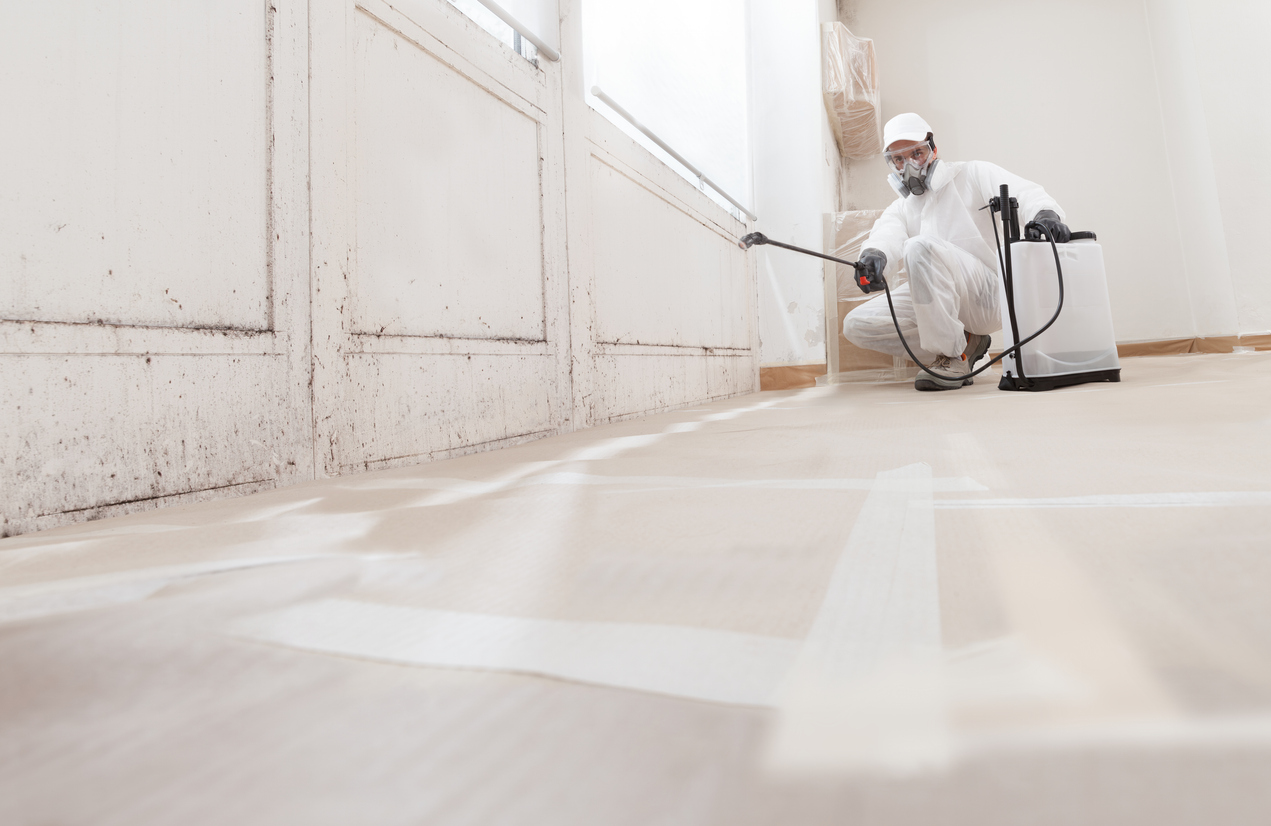
Mold remediation isn’t simply a matter of scrubbing the affected surface. Before removal begins, we isolate the work area using appropriate containment procedures. Poly sheeting, sealed openings, and controlled access can help keep mold spores and contaminated dust from migrating into clean areas. Where appropriate, we use negative air pressure within the containment area along with HEPA-filtered equipment. This controlled environment helps keep the remediation process focused on the affected area rather than allowing contamination to travel throughout the building.

Step 3
Remove Mold and Materials That Cannot Be Saved

Once containment is established, we address the actual mold contamination. HEPA air scrubbers, commercial HEPA vacuums, protective equipment, and appropriate cleaning methods are used based on the materials and conditions involved. Not every mold-damaged material needs to be thrown away. However, some porous materials can absorb moisture and mold deeply enough that cleaning them isn’t practical. Depending on the situation, this can mean removing sections of drywall, carpet, insulation, ceiling materials, or other contaminated materials and disposing of them appropriately.

Step 4
Find Out Where the Moisture Came From

Removing the mold without correcting the moisture problem is only a temporary solution. That’s why we look at what caused the conditions in the first place. It could be a hidden plumbing leak, a leaking roof, condensation, poor ventilation, foundation moisture, or water entering a crawl space. Once the source has been corrected, affected materials can be dried using commercial air movers and dehumidification equipment when necessary.

Step 5
Treat the Affected Areas

After contaminated materials have been removed and salvageable surfaces have been cleaned, appropriate antimicrobial treatments can be used on affected areas. The purpose isn’t to simply cover up the mold with a chemical. Physical removal, cleaning, drying, and moisture control remain the foundation of effective remediation. Treatment is one component of the larger process used to address the affected area and help limit the potential for regrowth.

Step 6
Clean Up and Address the Damage

A successful mold project may involve more than mold removal. Water and mold can damage drywall, flooring, insulation, framing, and other portions of the building. When materials cannot be salvaged, they may need to be replaced after remediation. That’s where mold damage repair becomes part of restoring the property. Our team can help address the affected areas so the property isn’t left with an open wall or damaged flooring after the remediation work is finished.

mold

Black Mold in Reno Homes and Businesses

Finding what appears to be black mold can be alarming.

It’s important to remember that you generally cannot identify a specific type of mold simply by looking at its color. Different types of mold can have dark or black appearances.

Regardless of the species, visible mold combined with a moisture problem should be addressed rather than ignored.

RestoPros of Reno-Tahoe can evaluate the affected area, establish appropriate containment, and safely remove contaminated materials when professional remediation is necessary.

mold-remediation-service-a-professional-worker-spraying-products-to-remove-mold-before-house-painting-clad-in-a-protective-suit-and-respirator-mask-with-a-backpack-sprayer-at-a-home-renovation-site

Mold Remediation for Homes and Businesses

Mold doesn’t discriminate between residential and commercial buildings.

RestoPros of Reno-Tahoe provides remediation services for residential and commercial properties throughout the Reno-Tahoe area.

That includes homes, apartments, rental properties, offices, retail spaces, and other commercial buildings.

For a business, containing a mold problem properly can be especially important because the affected area may need to be isolated while the rest of the property remains operational.

We’ll determine the appropriate scope of work based on the size, location, and severity of the affected area.

Need Emergency Mold Remediation in Reno?

Call RestoPros of Reno-Tahoe for 24/7 emergency restoration in Reno and surrounding Northern Nevada communities.

(775) 446-6001

mold

Reno’s Dry Climate Doesn’t Eliminate Indoor Mold Risk

One of the misconceptions about Reno mold is that our dry climate means homes aren’t susceptible to mold.

The reality is that mold needs a moisture source, not a humid outdoor climate.

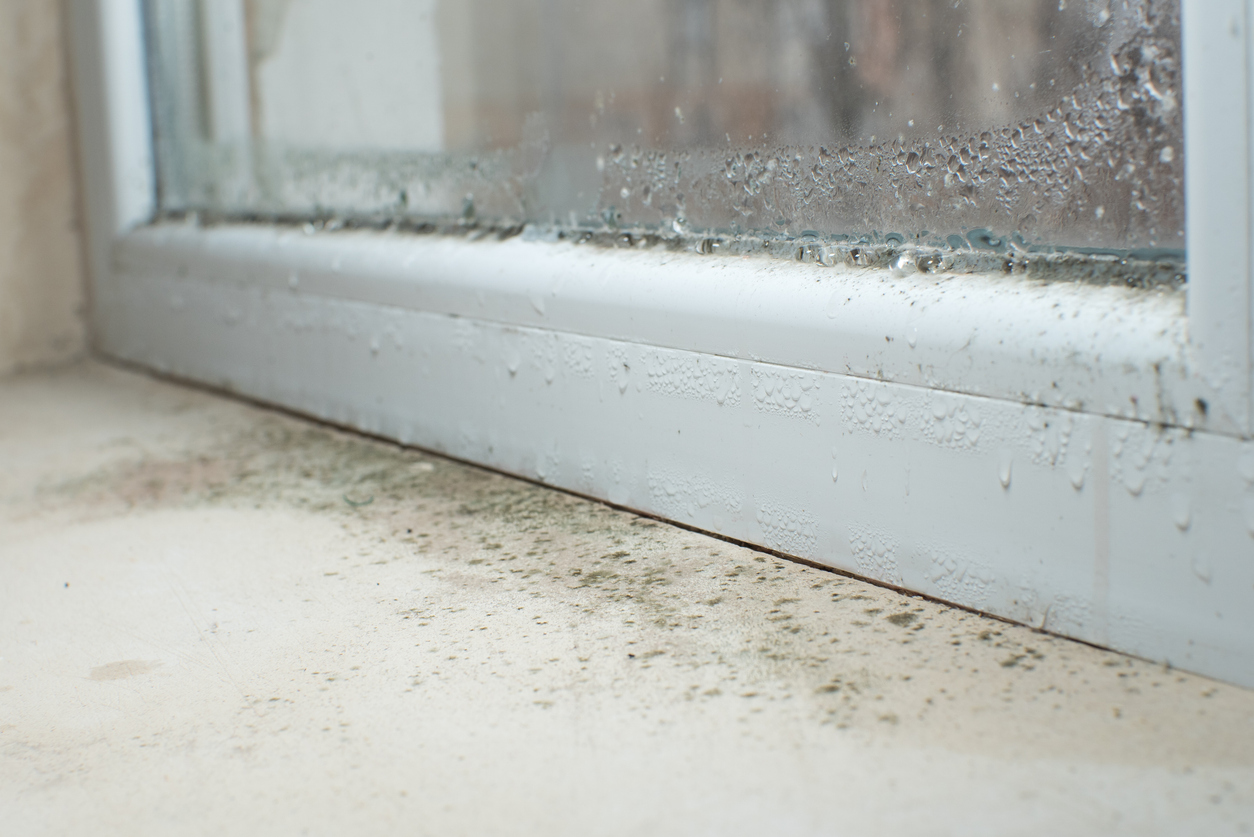
A leaking pipe behind a wall can create a localized moisture pocket. A roof leak can wet attic insulation. Snowmelt can contribute to moisture around a foundation. Condensation can affect areas around HVAC equipment.

Those individual moisture problems can create conditions where mold grows even when the air outside is dry.

That’s why mold prevention starts with finding and controlling moisture.

Repair leaks promptly, address drainage problems, keep crawl spaces dry, and make sure water-damaged materials are thoroughly dried.

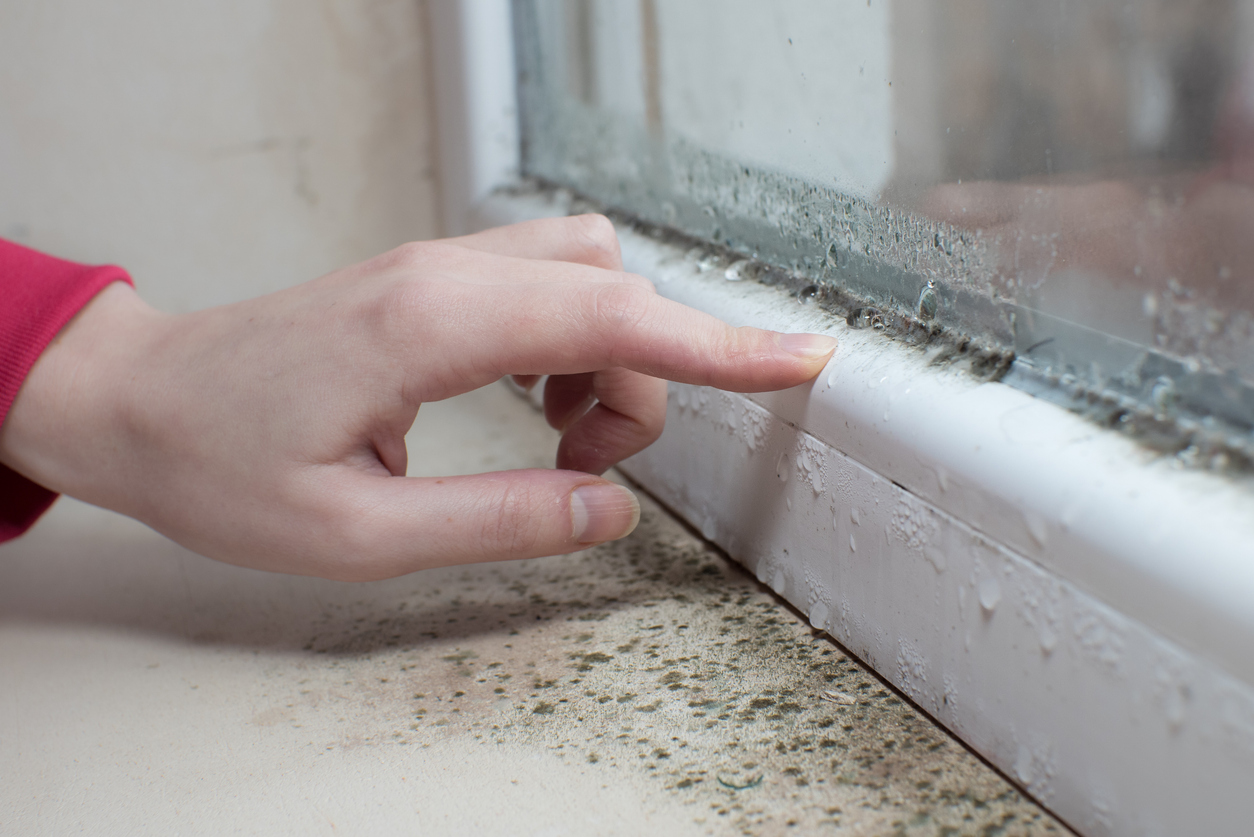
black-mold-fungus-growing-on-windowsill-dampness-problem-concept-condensation-on-the-window-2

Does Homeowners Insurance Cover Mold Remediation?

If mold developed because of a covered event, your homeowners insurance may provide coverage for some of the resulting remediation.

For example, mold connected to a sudden plumbing failure or another covered water damage event may be treated differently by your insurer than mold resulting from a long-term maintenance problem.

Every policy is different, so there isn’t a universal answer to whether mold is covered.

RestoPros of Reno-Tahoe can document the affected areas and help provide your insurance adjuster with information about the damage and required remediation work.

mold

How Much Does Mold Remediation Cost in Reno?

There’s no single price for mold remediation.

A small isolated area can be relatively straightforward, while mold affecting an attic, crawl space, multiple rooms, or structural materials can require considerably more work.

RestoPros of Reno-Tahoe will explain the scope of work and the factors affecting the project rather than giving you a generic price that doesn’t account for the actual condition of your property.

The cost of mold remediation in Reno can depend on:

  • The size of the affected area
  • Where the mold is located
  • How deeply it has penetrated the materials
  • Whether drywall, carpet, or insulation must be removed
  • The source and extent of the moisture
  • Whether structural drying is required
  • Whether repairs are needed after remediation

RestoPros of Reno-Tahoe are IICRC-Certified Mold Remediation Professionals

RestoPros of Reno-Tahoe technicians carry IICRC certification and follow established industry practices for mold remediation and water damage restoration.

Our team uses professional equipment, HEPA filtration, appropriate containment methods, and protective equipment based on the conditions of each project.

Mold remediation should be more than spraying a product on a visible patch and hoping it doesn’t return.

The moisture source, affected materials, containment, removal, cleaning, and final condition of the property all matter.

Frequently Asked Questions About Mold

Not seeing what you need? Contact us directly →

Dealing With a Mold Problem in Reno Right Now?

You don’t have to figure out what’s happening on your own.

RestoPros of Reno-Tahoe provides 24-hour emergency response for mold and water-related restoration needs.

Whether you’ve found black mold, discovered growth in a crawl space or attic, dealt with a plumbing leak, or noticed a persistent musty smell, give our team a call.

We’ll help you understand what’s going on, what needs to be addressed, and what the next step should be.

Looking For Something Else?