News
What to Do in the First 24 Hours After Water Damage
Water spreading across your floor is stressful, and what you do in the first day shapes how bad it gets. The first 24 hours decide whether this is a cleanup or a costly rebuild.
This guide gives East Cleveland homeowners a clear, step-by-step plan for the first 24 hours after water damage: what to do, what to avoid, and when to call a professional.
Key Takeaways
- Safety first: make sure everyone is safe and cut power to the area before stepping into standing water.
- Stop the water, then document everything with photos before you start cleaning up.
- Dry fast. Lowering humidity in the first 24 to 48 hours is what keeps mold from setting in.
Step 1: Make Sure Everyone Is Safe
Before anything else, protect the people in your home. Standing water near outlets, appliances, or your electrical panel is an electrocution risk. Per Ready.gov’s flood guidance, avoid electrical hazards around water, and do not enter rooms where water touches wiring. If it is safe, shut off the power to the affected area at the breaker. When in doubt, stay out and call a professional to assess it first.
Step 2: Stop the Water Source
Once people are safe, cut off the water. If the damage comes from a burst or leaking pipe, shut off your home’s main water valve to stop more water from entering. If it is from an appliance, turn off its supply line. Stopping the source is the single most important step, because everything that follows is easier when no new water is coming in. In an East Cleveland home, knowing where your main shut-off is before an emergency saves precious minutes.
Step 3: Document Everything for Insurance
Before you move or clean anything, take photos and video. Capture the standing water, the source, and every damaged item and surface. This documentation is what your insurance adjuster will rely on, so be thorough. Contact your insurance provider early to start the claim and ask what your policy covers. The more clearly you record the damage in the first hours, the smoother your East Cleveland claim will go.
Step 4: Remove Water and Start Drying
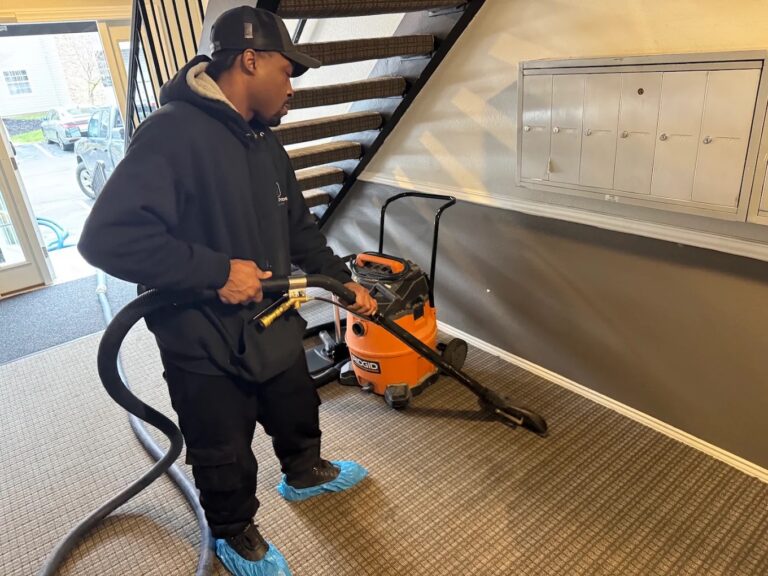
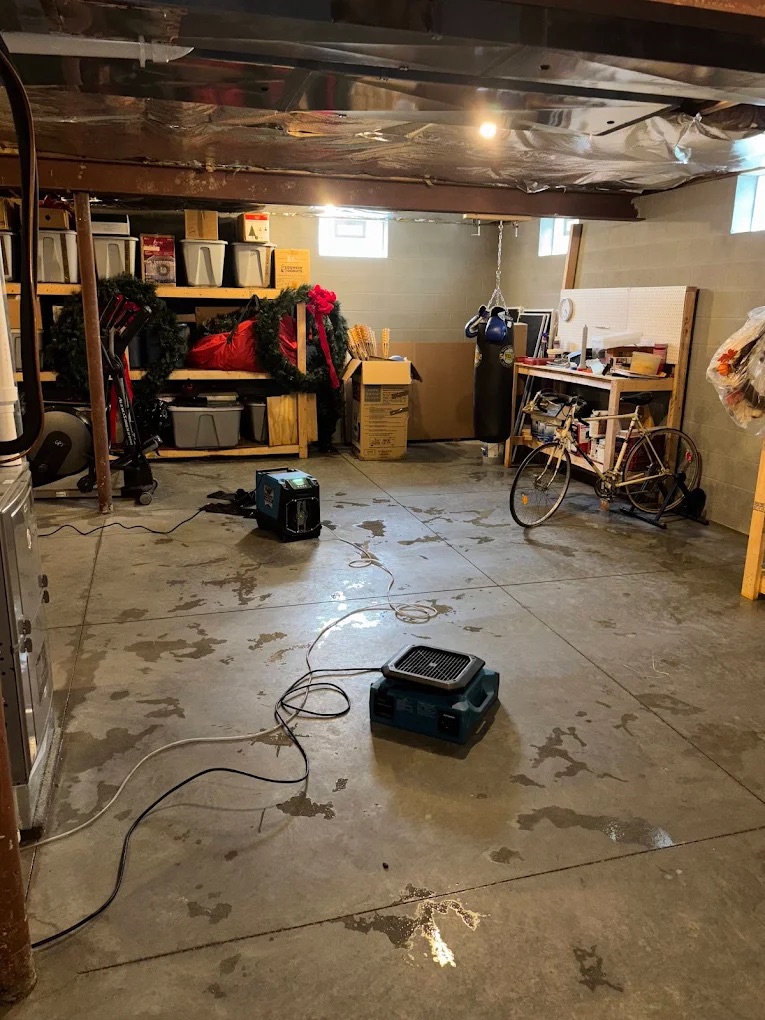
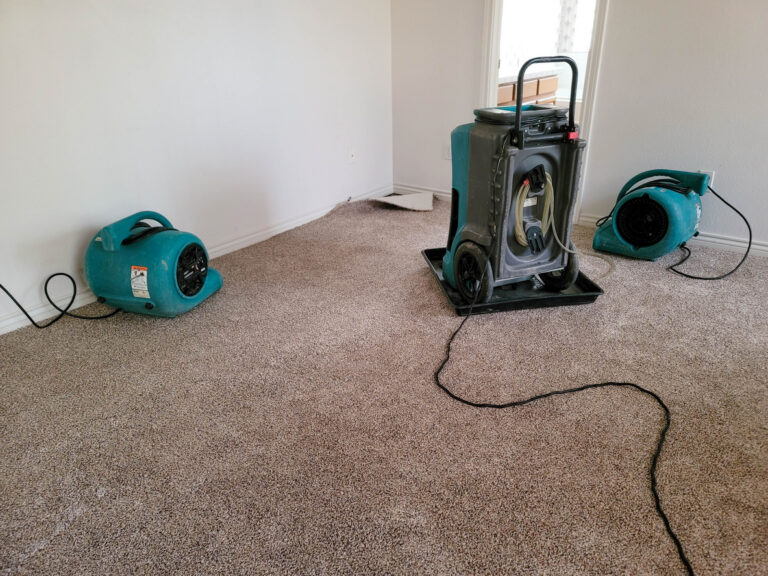
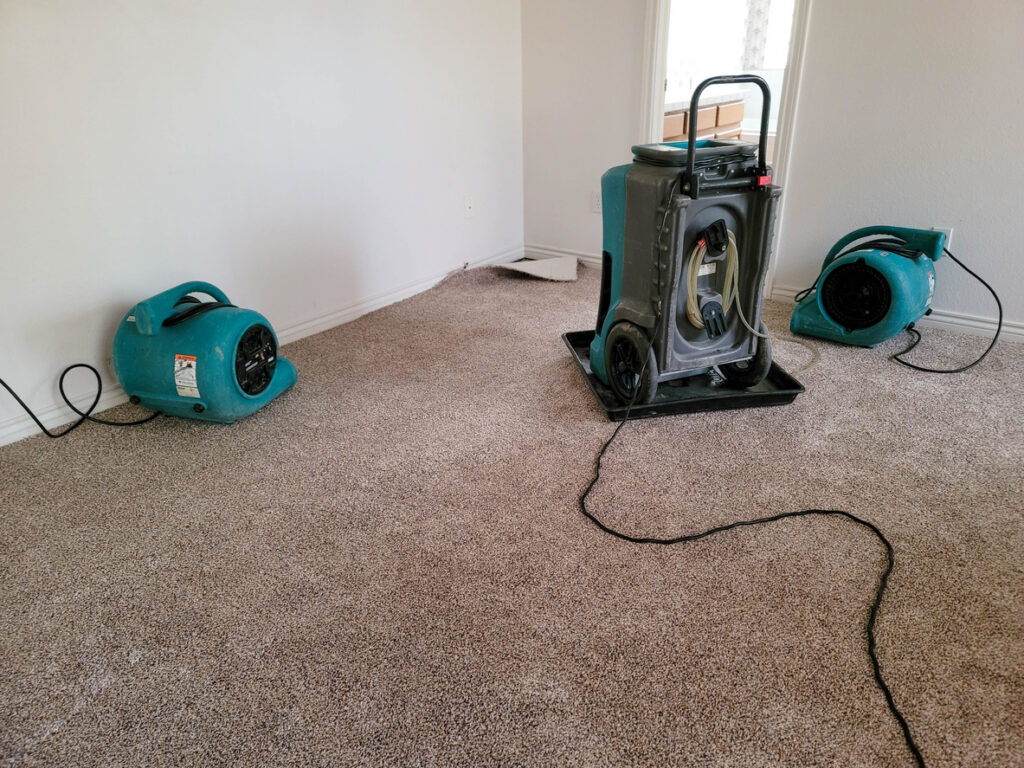
Now move the water out. If it is safe, use a wet/dry vacuum, mops, and towels to pull up standing water. Open windows, run fans, and set up dehumidifiers to get air moving. Per the EPA’s mold cleanup guidance, wet materials should be dried within 24 to 48 hours to prevent mold. The goal in the first day is to get the space and the air drying fast, before moisture soaks deeper into the structure.
What to Avoid in the First 24 Hours
A few mistakes make water damage worse. Do not use a regular household vacuum to remove water. Do not turn on ceiling fixtures or appliances in flooded rooms until power is confirmed off. Do not leave wet textiles, books, or furniture sitting on damp floors, since they spread moisture and stain. And do not wait, hoping it dries on its own. In East Cleveland’s humid summers, delay is what turns a manageable problem into a mold problem.
When to Call a Professional
Some water damage is bigger than a DIY cleanup. Call a professional for large floods, water that has soaked into walls or under flooring, or any water from sewage or contaminated sources. A restoration team has commercial extraction and drying equipment, finds hidden moisture, and dries the structure to a safe level. Searching Water Damage Restoration Near Me in the first hours connects you with help before the damage spreads through your East Cleveland home.
Water Damage in Your East Cleveland Home Right Now?
The first 24 hours matter most. Stay safe, stop the water, document the damage, and start drying fast to keep a cleanup from becoming a rebuild.
When you need help fast, our team for Water Damage Restoration in East Cleveland at RestoPros of East Cleveland responds quickly with extraction, structural drying, and documentation for your insurer. We help East Cleveland homeowners take control in the first hours and recover faster.
Frequently Asked Questions
Make sure everyone is safe and cut power to the affected area if water is near electrical sources. Then stop the water at its source before anything else.
Use extraction, active air circulation, and dehumidifiers. The goal is to lower indoor humidity under 50% within 24 to 72 hours to prevent mold growth.
It varies with severity. Minor cases can be restored within 3 to 5 days, while severe cases can take weeks or months.
Avoid using a household vacuum on water, turning on power in flooded rooms, leaving wet items on damp floors, and waiting for it to dry on its own.