News
Frequently Asked Questions
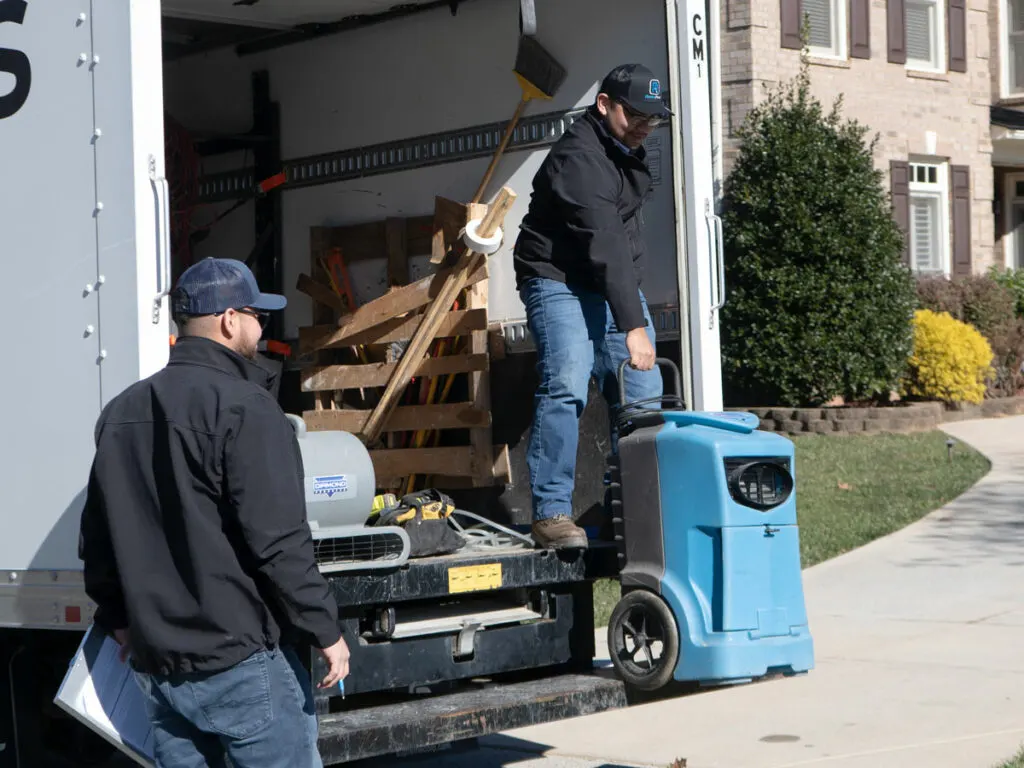
Our FAQ section covers common questions about our water damage restoration services, ensuring you have clear, essential information for efficient property recovery.
1.What should I do immediately after discovering water damage in my home?
First, ensure your safety by turning off electricity in affected areas to prevent electrical hazards. If the water damage is due to a plumbing issue, turn off the water supply. Then, contact a professional water damage cleanup and restoration service immediately to minimize damage and begin the restoration process.
2.How quickly can you respond to a water damage emergency?
We offer 24/7 emergency services and strive to respond to all calls within 60 minutes. Our quick response time helps mitigate the extent of the damage and allows us to start the cleanup and restoration process as soon as possible.
3.What does the water damage restoration process involve?
Our restoration process includes several steps:
1. Inspection and Assessment: We evaluate the extent of the damage and create a restoration plan.
2. Water Removal: We use powerful pumps and vacuums to remove standing water.
3. Drying and Dehumidification: We use specialized equipment to dry affected areas and prevent mold growth.
4. Cleaning and Sanitizing: We clean and sanitize your belongings to remove any contaminants.
5. Restoration: We repair and restore your property to its pre-damage condition.
4.Will my insurance cover the cost of water damage restoration?
Coverage depends on your specific insurance policy and the cause of the water damage. We recommend contacting your insurance provider to review your coverage. Our team can also assist you with the claims process, providing documentation and working directly with your insurance company to help ensure a smooth and efficient claims experience.
5.How can I prevent water damage in the future?
Preventing water damage involves regular maintenance and vigilance. Here are some tips:
– Inspect and maintain your plumbing and appliances regularly.
– Ensure your home’s drainage system is functioning properly.
– Install a sump pump in your basement.
– Seal windows and doors to prevent water intrusion.
– Consider installing water detection devices that can alert you to leaks early. Regularly checking these areas can help prevent future water damage and save you from costly repairs.