News
Inside the Structural Drying Process: How Pros Actually Dry a Water-Damaged Home
Fans and open windows only solve half the problem — here’s what full structural drying involves
After a leak or a flood, the puddle on the floor is the least of your worries. The water that matters most is the water you can’t see — soaked into subfloors, wall cavities, and framing. Drying a home the right way takes a lot more than a box fan and an open window. Here’s the process restoration professionals actually follow to get every bit of that hidden moisture out.
Quick Summary
- Real drying targets moisture hidden in floors, walls, and framing — not just visible surfaces.
- Moisture meters, air movers, and dehumidifiers work together to dry a structure completely.
- Getting drying underway within 24-48 hours is the single biggest factor in preventing mold.
The Four-Step Drying Process
Step 1: Find the Water Before Drying It
Every drying job starts with locating all the moisture, not just what’s visible. Moisture meters and infrared cameras reveal dampness hiding behind walls and beneath flooring, and the resulting moisture map tells technicians exactly where equipment needs to go. Skipping this step means guessing — and guessing leaves wet material behind.
Step 2: Get the Bulk Water Out Fast
Standing water is removed first, using pumps and truck-mounted extraction equipment to pull out gallons quickly. The faster bulk water leaves the space, the shorter the entire drying timeline becomes — and saturated carpet padding is typically pulled at this stage rather than dried in place.
Step 3: Dry What’s Still Hidden
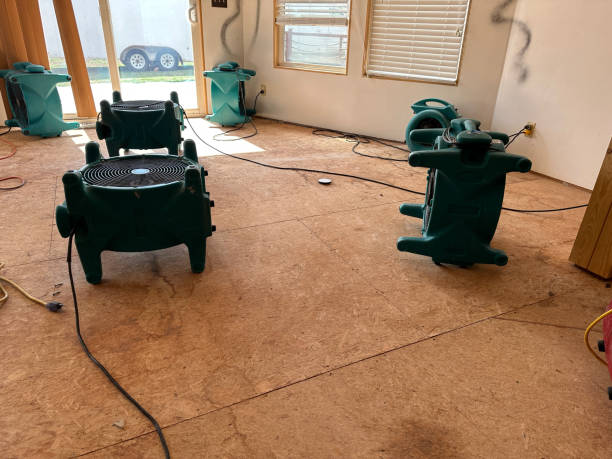
With standing water gone, attention shifts to moisture trapped inside materials. Air movers push air across wet surfaces to accelerate evaporation, while dehumidifiers pull that released moisture out of the room, working together to dry framing, drywall, and subfloors. This stage follows drying standards set by the IICRC, the industry body for restoration protocols.
Step 4: Confirm It’s Actually Dry
Drying is verified with data, not assumed. Technicians track moisture readings daily until every material hits its target level. The Insurance Information Institute notes that water damage claims remain among the most common and costly homeowner claims filed — which is exactly why thorough drying matters so much for preventing the mold that follows an incomplete job. If mold has already started, remediation runs alongside the drying process rather than waiting for it to finish.
What to Do Before Help Arrives
The steps you take in the first hour matter. Simple, fast actions slow the spread of damage and make the professional response more effective once it starts.
Stop the Source, Then Air It Out
Shut off water at its source if that’s possible. Open doors and windows to get air moving, and mop up standing water right away rather than waiting.
Fans and a Wet/Dry Vac Buy You Time
Position box fans to blow air across wet flooring. A wet/dry shop vac can pull water out of carpet, and pulling up soaked padding lets the subfloor underneath start breathing sooner.
What Happens Inside a Wet Wall
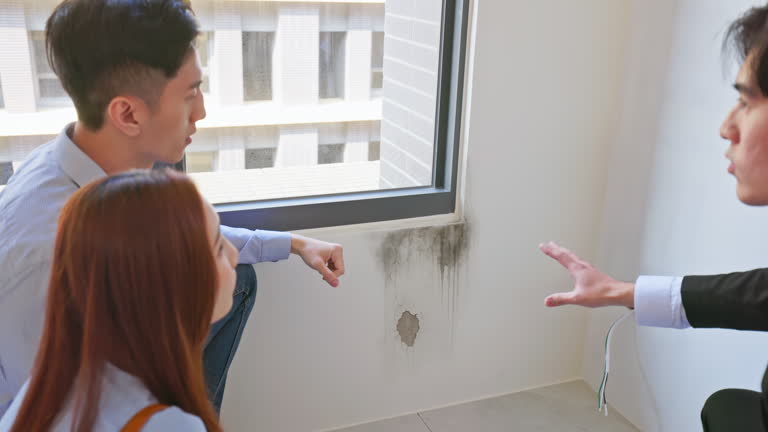
Walls almost always hold more water than the surface suggests, since drywall wicks moisture upward into the cavity behind it. How long that takes to resolve depends heavily on how saturated it got.
Does Wet Drywall Dry on Its Own?
Lightly damp drywall can dry with steady airflow and low humidity, and crews will often vent the cavity to speed that along. Drywall that’s fully saturated or contaminated, though, typically has to be removed rather than dried in place.
How Long Wall Drying Actually Takes
Surface-level dampness can clear in a day or two. A soaked wall cavity, on the other hand, may take several days — and moisture meters are what confirm the cavity is dry, not just the paint on the surface.
Telling Reversible Damage From Permanent Damage
Some water damage fully reverses with proper drying. Some doesn’t. Knowing which is which can save both money and unnecessary worry.
Red Flags That Point to Permanent Damage
- A musty smell that lingers after drying is complete — often a sign of hidden mold.
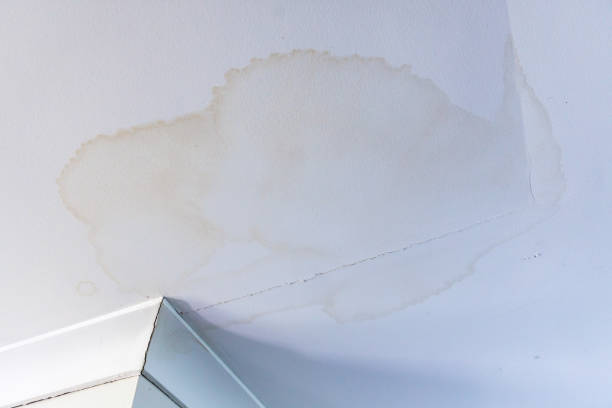
- Stains that keep reappearing, or materials that feel soft and spongy.
- Warping that won’t flatten back out usually means the material needs to be replaced.
Why Arizona Homes Are Deceptively Good at Hiding This
Arizona’s dry air dries surfaces fast, which can trick homeowners into thinking a problem is resolved. Meanwhile, moisture deep in the framing lingers well out of sight — and monsoon flooding tends to make that hidden moisture problem worse, not better.
When It’s a Burst Pipe or a Fully Flooded Room
A burst pipe or a flooded room demands a faster response than a routine leak — there’s simply more water involved, and it spreads quickly. Speed matters even more here.
Get the Water Out First
Pump or vacuum standing water before doing anything else. The less time water sits on a surface, the less it absorbs — and lifting wet rugs and furniture off the floor helps limit further soaking.
Then Dry the Entire Room, Not Just the Wet Spot
Air movers and a dehumidifier running together dry a space faster than either alone, and a sealed room dries more efficiently than one left open to the rest of the house. Equipment should keep running until moisture readings confirm the space is fully dry.
Frequently Asked Questions
Household fans handle surface moisture but miss what’s trapped inside materials. That hidden dampness is what leads to mold and warping down the line — professional drying targets the structure itself, not just the floor.
Most homes are fully dry within three to five days, though severe saturation can extend that. Daily moisture checks are what confirm the job is actually done.
Air movers lift moisture up into the air, but without a dehumidifier pulling that moisture back out of the room, it just resettles somewhere else in the space.
They compare ongoing readings against a dry baseline for each material. The job isn’t finished until numbers confirm it — not a visual guess.
Lightly wet drywall often can, with enough airflow and low humidity. Saturated or contaminated drywall usually needs to be removed, and moisture meters confirm whether the cavity behind it is truly dry.
A musty smell that won’t go away, recurring stains, and spongy materials are the main warning signs. Warping that doesn’t flatten back out generally means replacement rather than drying is needed.
Get It Dried Right the First Time
Proper structural drying is what separates a clean recovery from one that turns into a mold problem later. RestoPros of the East Valley dries Mesa-area homes to verified, confirmed targets — and if mold has already set in, our mold remediation team can step in alongside the drying process. Reach out any time to get started.