News
The First 24 Hours After Water Damage: Why the Clock Decides Your Final Bill
A Mesa-specific hour-by-hour checklist for burst pipes, slab leaks, AC failures, and monsoon roof leaks
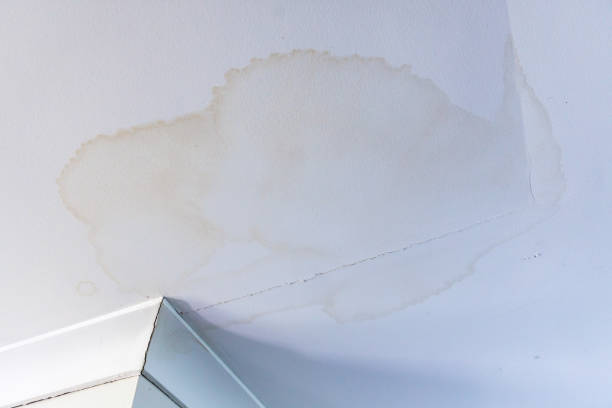
A burst pipe. A failed AC drain line. A monsoon storm that finally exposes a weak spot in the roof. However the water got in, what happens over the next 24 hours is what separates a $2,000 repair from a $20,000 one. Below is a practical, hour-by-hour breakdown for Mesa homeowners, with specific guidance for the scenarios most common in this region: monsoon damage, slab leaks, and AC condensate failures.
The 24-Hour Timeline at a Glance
- Hour 0-1: Stop the water source, secure the space, document everything.
- Hour 1-4: Extract standing water, open an insurance claim, call a certified restoration crew.
- Hour 4-24: Remove unsalvageable materials, start commercial drying, get ahead of secondary damage.
Hour 0-1: Stop the Water, Secure the Space
1. Shut Off the Source
For a plumbing leak, shut off the main water valve — usually outside near the front of the house or in the garage. For an AC condensate issue, switch the system off at the thermostat. For a monsoon-driven roof leak, place buckets to catch the drip and tarp the breach if it’s safe to do so.
2. Cut Power to Any Affected Area
If water has reached outlets, an electrical panel, or appliances, shut off power at the breaker before doing anything else. Never step into standing water near energized circuits — if the breaker isn’t reachable safely, call your utility provider for an emergency disconnect.
3. Get People and Pets Clear
Per Red Cross flood safety guidance, a sagging ceiling or buckled flooring signals real structural risk. If anything looks unstable, evacuate the area immediately rather than assessing it up close.
4. Document Before You Touch Anything
Photograph every affected room from several angles, then do a full video walk-through of the damaged area. Get close-up shots of damaged furniture, electronics, and clothing, and make sure everything is date-stamped — insurance adjusters rely heavily on this documentation to approve a claim.
Hour 1-4: Get the Water Out, Make the Calls
5. Extract Any Standing Water
More than an inch of standing water calls for a rented wet/dry shop vac at minimum, or a professional crew for anything larger. Water sitting for more than four hours starts saturating flooring underlayment and the subfloor beneath it — a point where mold risk and final repair cost both climb sharply.
6. Open a Claim With Your Insurance Carrier
According to III data, water damage is the second most common homeowner insurance claim, with an average payout around $13,000. Open the claim within the first 24 hours, describe the cause clearly — burst pipe, AC failure, monsoon roof leak — along with the scope of damage, and get a claim number on record.
7. Call a Local, IICRC-Certified Restoration Crew
A genuinely local Mesa-area crew can typically be onsite within 60-90 minutes. Companies advertising “same-day” or “next-day” response are usually dispatching from out of town and lose the speed advantage that matters most in this window. Direct insurance billing should be a standard offering, not an extra ask.
Hour 4-24: Dry It Out, Prevent Secondary Damage
8. Move Salvageable Items to a Dry Area
Wood and upholstered furniture, electronics, paper goods, photos, books, and rugs all need to come out of the wet zone. Wet contents sitting in a wet space is a fast track to mold within 24-48 hours.
9. Remove What Can’t Be Saved
Drywall wet for more than 12 hours, saturated carpet padding, and wet insulation all need to come out rather than be dried in place. Per EPA guidance, drying these materials where they sit rarely works — they simply become a mold reservoir instead. Standard practice is to cut drywall about 2 inches above the visible water line.
10. Start Commercial-Grade Drying
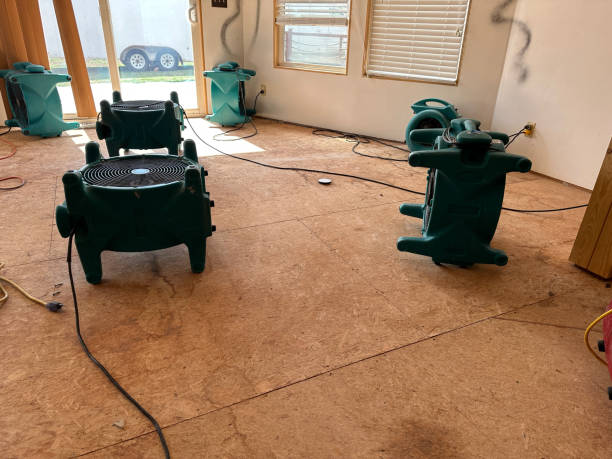
Commercial dehumidifiers paired with high-velocity air movers typically run continuously for three to five days. Mesa’s dry climate helps under normal conditions, but during monsoon humidity, only professional-grade equipment can keep pace with the added moisture in the air.
Mesa-Specific Scenarios Worth Knowing
Monsoon Roof Leaks
Tarp the breach immediately if it’s safe to do so, and document interior and exterior damage separately for your insurer. Most monsoon-related damage is wind-driven rain — typically covered under standard homeowners policies — rather than flood, which often falls under a separate policy entirely. Get a roofer’s assessment within about a week of the event.
AC Condensate Failures
Turn the AC off first. The drain pan and condensate line both need to be cleaned before the system is restarted. Ceiling drywall affected by AC drips usually needs full replacement, since the leak has typically been seeping for weeks before it’s discovered. An HVAC technician inspection is a must before resuming normal use.
Slab Leaks
In the Phoenix area, slab leaks generally involve leak detection ($300-$500), a slab cut and repair ($2,000-$5,000), and then water restoration on top of that. Insurance typically covers sudden slab leaks, though gradual, long-developing leaks may see only partial coverage — thorough documentation matters especially here.
When This Stops Being a DIY Job
Call in professionals right away if any of the following apply: more than 100 square feet is wet, the water falls into Category 2 or 3 (gray water or floodwater), the area has been wet for more than 24 hours, structural materials like drywall, hardwood, or insulation are affected, or an insurance claim is already involved.
Frequently Asked Questions
Stop the source, cut power if needed, evacuate if there’s structural risk, document everything with photos, then start contacting insurance and a restoration crew. Speed in this first hour saves real money down the line.
If water is actively spreading, call restoration first — they can stop the damage from growing while you handle the insurance call separately. If things are already stable, open the insurance claim first, then call restoration. Many restoration companies also handle direct insurance billing.
For under 100 square feet of clean water (Category 1) caught within a few hours, DIY drying with rented equipment is often workable. Anything larger, longer-standing, or contaminated needs a professional response.
Per the CDC, mold generally begins within 24-48 hours. Mesa’s dry climate can stretch that to 48-72 hours, while monsoon humidity compresses it back down to as little as 24-36 hours.
Get a Pro Onsite Within the Hour
Every hour that passes after water damage adds to the final cost. RestoPros of the East Valley provides 60-90 minute response across Mesa, Gilbert, Chandler, Tempe, Queen Creek, and Apache Junction, with IICRC certification and direct insurance billing. Visit our water damage page for a free written estimate.