News
The Mesa Mold Timeline: What Happens After the Water Is Already Gone
Seven warning signs, a monsoon-season timeline, and the #1 hidden source East Valley homeowners overlook
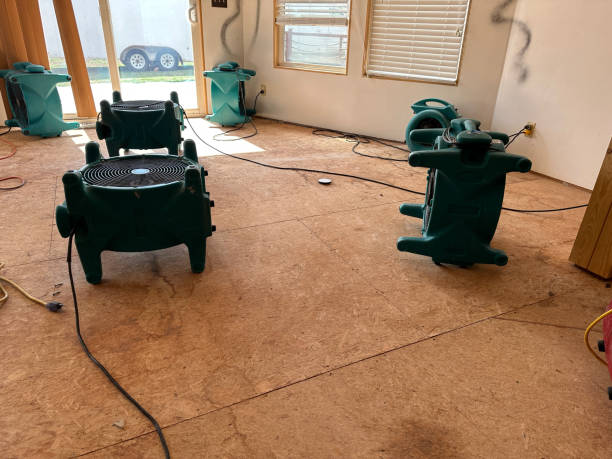
Here’s a scenario that plays out across Mesa every year: a monsoon storm floods the garage, the floor gets toweled dry, a fan runs for a day, and everyone assumes the problem is solved. Then, months later, a musty smell shows up in a room nowhere near where the water was. That delayed discovery is exactly why mold after water damage catches so many homeowners off guard — by the time it’s noticeable, it’s had months to establish itself.
Below are the seven signs worth watching for, why Mesa’s climate changes the usual mold timeline, and the single most common hidden source in East Valley homes.
Fast Facts Before You Read Further
- Mesa’s dry air normally stretches the mold-colonization window to 48-72 hours, compared to the 24-48 hour national average.
- Monsoon humidity compresses that window right back down — sometimes to as little as 24-36 hours.
- AC condensate failures, not slab leaks or roof damage, are the leading cause of hidden mold in East Valley homes.
Seven Signs That Mold May Already Be Established
1. A Musty Smell That Cleaning Doesn’t Fix
This is usually the earliest and most reliable indicator — an earthy, damp odor that shows up before any visible growth, often 1-2 weeks ahead of it. Check basements, closets, behind appliances, and near HVAC vents first.
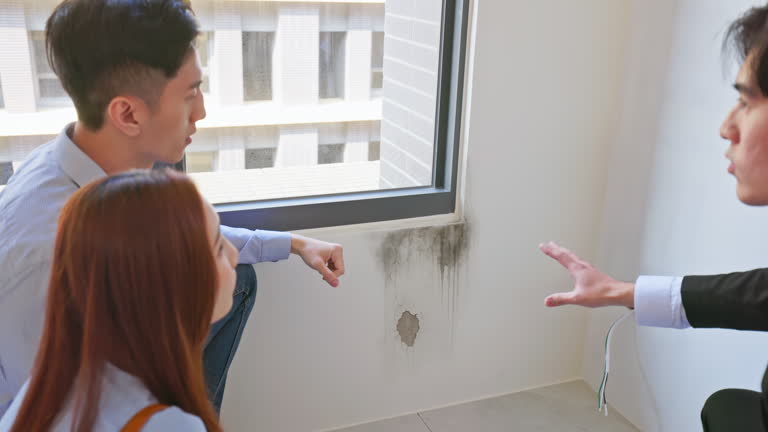
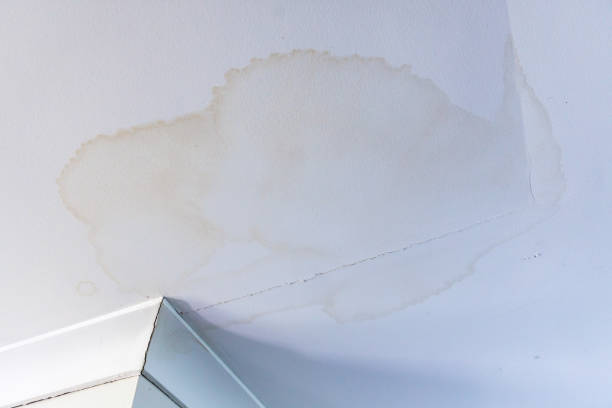
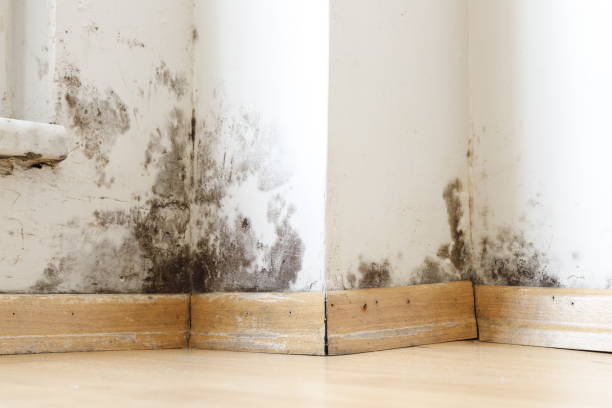
2. Discoloration on Walls or Ceilings
Yellow, tan, brown, or gray patches near windows, baseboards, or plumbing fixtures are a warning sign. Dark green or black spotting usually means the colony is already well established.
3. Allergy Symptoms That Ease Once You Leave the House
Congestion, sinus pressure, sore throat, or headaches that consistently improve once you’re outdoors are a recognized pattern linked to mold exposure. If your household has felt off at home for weeks since a water event, this is one of the strongest clues something’s growing that you can’t see.
4. Bubbling Paint or Warped Drywall
Paint bubbling outward, peeling wallpaper, or drywall that’s visibly warped points to trapped moisture — and often microbial activity — behind the surface.
5. Any Water Event in the Last One to Two Years
Even if cleanup felt thorough at the time, past water intrusion deserves a mold check. Hidden colonies from old damage frequently take 6-12 months before they become noticeable through smell or sight.
6. Staining Near AC Drip Pans or Condensate Lines
This one’s especially relevant in Mesa. Yellowed drywall on the ceiling below an air handler is a strong signal of a condensate drainage failure that’s been leaking slowly for some time.
7. Discoloration in Crawl Spaces or Attics
Older homes in neighborhoods like Lehi, Citrus Park, and Sunland often have shallow, poorly ventilated crawlspaces. Discoloration on framing, insulation, or the vapor barrier in these spaces usually signals active growth.
Why Mesa’s Mold Timeline Isn’t Like Other Cities’
According to NWS Phoenix climate data, the East Valley averages around 36% humidity year-round — well below humid markets nationally. That typically slows mold colonization to 48-72 hours instead of the more common 24-48 hour window. But monsoon season (June through September) changes the equation entirely: humidity spikes above 60% during storm events, compressing that window down to as little as 24-36 hours. The practical upshot: water damage outside monsoon season gives you a bit more breathing room. Water damage during monsoon season is urgent no matter what. Either way, the first 24-48 hours are what determine whether you’re dealing with prevention or remediation.
The Source Most Homeowners Don’t Suspect: Your AC System
With AC units running 6-9 months out of the year, East Valley homes put serious wear on the condensate drain pan and line system — components that fail somewhere between 8-12% of the time over a 10-year span. When they do fail, water drips slowly into ceiling drywall or down interior walls, and by the time a stain is visible, mold has often already had time to take hold.
An annual AC inspection, typically $75-$150, catches these failures early — well worth scheduling every spring before AC season ramps up.
When a Problem Needs a Professional, Not a DIY Fix
EPA guidance recommends professional remediation for any contiguous mold area larger than 10 square feet. Other clear signals to call in a pro: household members with asthma or allergies showing symptoms, mold found inside HVAC ductwork, mold connected to sewage or floodwater (Category 3 water), or mold that keeps returning after a DIY cleanup attempt.
Frequently Asked Questions
Watch for a persistent musty smell, wall or ceiling discoloration, allergy symptoms that ease outdoors, bubbling paint, or any signs turning up in areas touched by a past leak. A professional inspection, usually $300-$600, gives a definitive answer.
Less than in humid climates, but more than most homeowners assume. AC condensate issues, slab leaks, and monsoon-related roof penetrations are the leading Arizona sources — and low year-round humidity can spike sharply during monsoon season or in poorly ventilated spaces.
Microscopic colonies can form within 24-72 hours, faster during monsoon conditions. Visible growth typically follows in 7-21 days, though mold hidden inside walls or attic insulation can take 2-6 months to become detectable.
July through September. The combination of monsoon humidity, sudden rainfall, and AC systems working overtime creates peak conditions — which is also why October inspections are useful for catching issues from summer water events.
If You Suspect Hidden Mold
A professional inspection ($300-$600) is the most cost-effective way to either rule out hidden mold or catch it while it’s still manageable. RestoPros of the East Valley provides IICRC-certified inspection and remediation across Mesa, Gilbert, Chandler, Tempe, Queen Creek, and Apache Junction — reach out for a free assessment.