News
The Water Damage You Can’t See Is the One That Costs the Most
Roughly one in five homes deals with hidden water damage every year — moisture that builds for weeks or months before anyone notices a stain, a smell, or a soft spot in the floor. In Tempe, that risk is even higher. Slab foundations, aging plumbing, and a dry climate that masks early moisture all combine to let problems fester out of sight. By the time hidden water damage becomes visible, it’s rarely a small problem anymore. That’s the case for inspection-first restoration — finding what’s wrong before it shows itself.
Why Tempe Homes Hide Water Damage So Well
Slab-on-grade construction, common throughout Tempe, means plumbing runs beneath the foundation itself — out of sight and out of mind until a leak has already been active for months. Add in a dry regional climate that makes minor moisture far less obvious than it would be somewhere humid, and it’s easy to understand why so many homeowners don’t catch a problem until it’s already serious.
Where This Kind of Damage Usually Starts
Slab Leaks
A leak beneath the foundation can run undetected for months, gradually raising indoor moisture levels and weakening the structure from below.
Aging Plumbing
Older pipes corrode and weaken over time. Even a slow, small drip compounds into major damage if it goes unnoticed long enough.
Roofs and HVAC Systems
Condensation from air conditioning units and small roof leaks are two of the most common — and most overlooked — sources of ongoing moisture in this climate.
How Moisture Travels Once It’s Inside
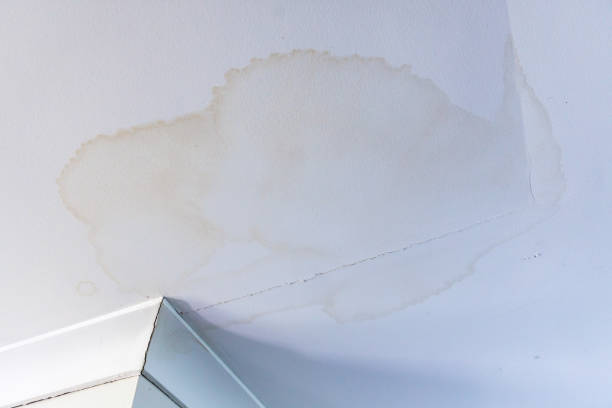
Water doesn’t stay put. It moves through drywall, wood framing, and insulation via capillary action, spreading sideways and upward from wherever it originally entered. That’s why a leak under a bathroom floor can eventually show up as a stain on a bedroom ceiling on the other side of the house— the damage rarely stays confined to where the water first got in.
What Sustained Moisture Does to a Structure
- Wood rot. Framing and structural wood lose strength and stability the longer they stay wet.
- Drywall failure. Drywall absorbs moisture fast, leading to swelling, cracking, and eventually collapse if it’s never addressed.
- Foundation compromise. Ongoing moisture around or beneath a slab can undermine the foundation itself, turning a plumbing issue into a much larger structural repair.
The Mold Problem Hiding Behind the Water Problem
Mold doesn’t need much time to establish itself — 24 to 48 hours of sustained moisture is often enough for growth to begin, and once it takes hold, it spreads quickly and becomes far harder to fully remove. Much of it grows in places you’d never think to check: behind walls, beneath flooring, inside cabinetry. Beyond the property damage, mold spores circulating through indoor air can trigger respiratory issues and allergic reactions for anyone living in the home.
Signs Worth Paying Attention To
- A musty smell that persists even after cleaning
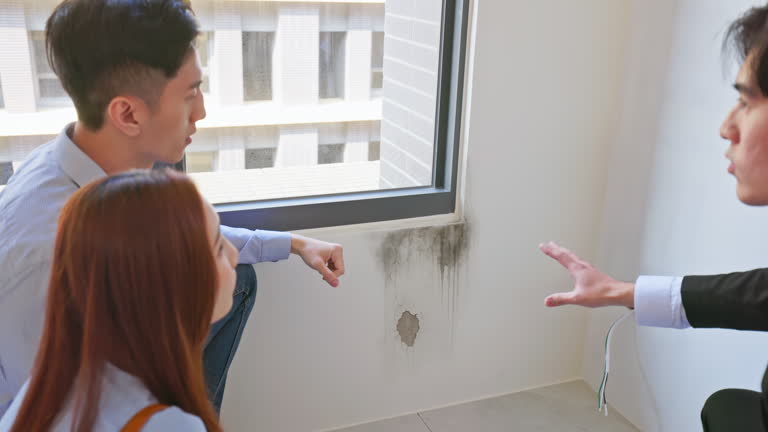
- Discoloration or staining on walls, ceilings, or floors
- Warped or soft flooring in isolated spots
- Indoor humidity that feels persistently higher than normal
Why Early Inspection Changes the Outcome
Moisture meters and thermal imaging let a trained technician find water that’s invisible to the eye — inside walls, beneath flooring, behind cabinetry — well before it becomes a visible problem. Catching an issue at this stage is the difference between a contained repair and a full-scale renovation.
Why This Isn’t a DIY Fix
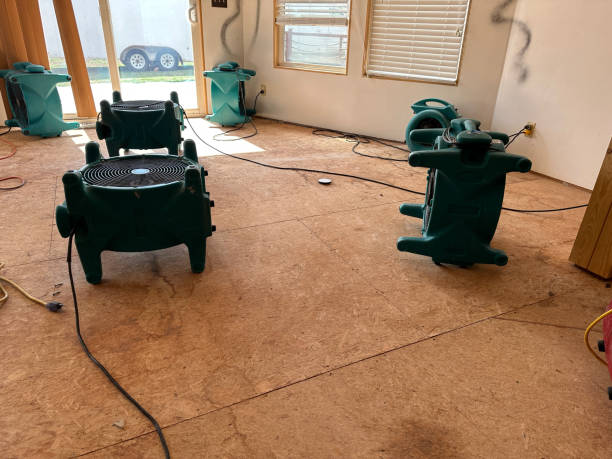
Surface cleaning doesn’t reach moisture that’s already migrated into wall cavities or under flooring, which is why DIY attempts so often lead to the same problem resurfacing weeks later. Professional restoration addresses the full extent of the moisture — not just what’s visible — using equipment designed to dry a structure completely and sanitize surfaces the water has touched.
Frequently Asked Questions
It typically hides behind walls, under flooring, or beneath the foundation — areas that aren’t visible without specialized detection tools.
Musty odors, discoloration, and warped surfaces are usually the first noticeable clues.
Damage can start within hours of exposure and escalate meaningfully within 24 to 48 hours.
Very minor cases sometimes can be, but anything involving hidden moisture generally needs professional detection and drying equipment.
It’s the only reliable way to find moisture that isn’t visible yet and confirm every affected area gets treated — not just the obvious spot.
The Takeaway
In Tempe, the water damage you can’t see is usually the one that ends up costing the most — both in repair costs and in the health risks that come with unchecked mold growth. Regular inspection and fast response to early warning signs are the best defense against a problem that, left alone, only gets worse.