News
The Air Conditioner in Your Chandler Home Might Be Leaking More Than Cool Air
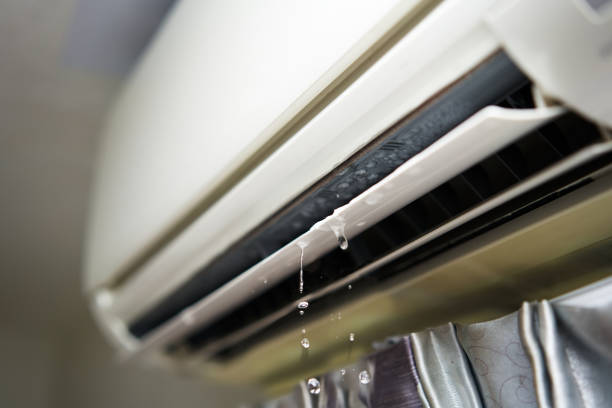
Nationally, HVAC-related problems account for roughly 15% of residential water damage claims — and in a place like Chandler, where the AC runs nearly nonstop for most of the year, that risk is amplified. The unit that keeps your home livable through triple-digit summers is also quietly working overtime, and overworked equipment is exactly the kind that starts to fail in ways homeowners don’t notice right away.
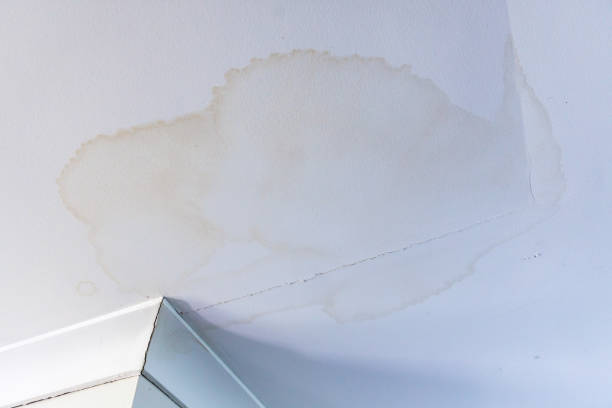
A clogged drain line or a corroded pan doesn’t announce itself with a flood. It shows up gradually — a stain on the ceiling, a musty smell, a slightly damp patch of carpet — long after the damage has already begun.
Why Chandler Homes Are Especially Exposed
In most parts of the country, air conditioning is seasonal. In Chandler, it’s closer to a year-round requirement. That extended runtime means more condensation cycles, more wear on drain components, and more opportunities for a small mechanical issue to turn into a moisture problem inside the walls or ceiling.
The Mechanics: How an AC Unit Creates Water in the First Place
Cooling your home isn’t just about temperature — your AC system is also pulling humidity out of the air. As it does, moisture condenses on the evaporator coils and collects in a drain pan below. From there, a condensate line is supposed to carry that water safely outside. When any part of that chain gets blocked or damaged, the water has nowhere to go but into your home.
Four Ways This System Fails
A Blocked Condensate Line
Dust and debris build up inside the drain line over time. Once it’s blocked, water has no path out and backs up into the home instead.
A Cracked or Corroded Drain Pan
Pans wear out. Rust and hairline cracks let water seep directly into the ceiling or flooring below rather than draining as designed.
Frozen Coils That Later Thaw
When evaporator coils freeze, the system can’t handle the sudden release of water once they thaw, overwhelming the drainage setup all at once.
Installation or Maintenance Shortcuts
A poorly installed unit — or one that’s never been serviced — is far more likely to leak, often leading to damage severe enough to require professional restoration.
Warning Signs Homeowners Tend to Miss
- Water stains or discoloration on ceilings or walls
- A musty smell that doesn’t go away with cleaning
- Indoor humidity that feels higher than it should
- Noticeably reduced cooling performance
- Unusual rattling, gurgling, or dripping sounds from the unit
Any one of these can mean moisture is already accumulating somewhere you can’t see — often for weeks before it becomes obvious.
What’s at Stake When This Goes Unaddressed
Left alone, AC-related leaks don’t stay contained to one spot. Moisture spreads into insulation, drywall, and flooring, weakening structural components over time. Worse, standing moisture is exactly the environment mold needs to take hold — turning a mechanical repair into an air-quality problem as well.
Protecting Your Home: A Prevention Checklist
- Schedule annual inspections. A yearly service visit catches clogs and wear before they turn into leaks.
- Add a secondary drain line or float switch. These act as a backup, shutting the system down or redirecting water if the primary line fails.
- Keep the unit clean. Clearing dust and debris regularly reduces the odds of a clogged line in the first place.
- Address small issues immediately. A minor drip today is a much cheaper fix than a ceiling repair next month.
When It’s Time to Bring in a Professional
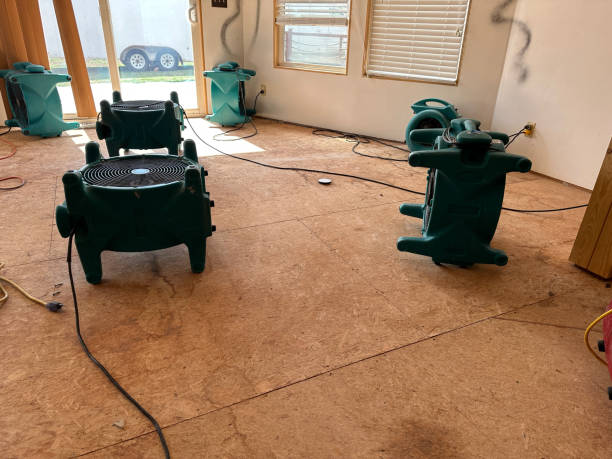
If you spot any of the warning signs above, don’t wait to see if it resolves on its own. Restoration professionals use moisture meters and thermal imaging to locate water that’s spread beyond what’s visible, then dry and treat the area thoroughly — closing the door on both structural damage and future mold growth.
Frequently Asked Questions
Yes — clogged lines and failing pans are a common and often underestimated cause of home water damage.
At minimum once a year, though homes running their system nearly year-round may benefit from more frequent checks.
Watch for ceiling stains, musty odors, or humidity that feels off indoors — these often show up before any visible leak.
Often, if the damage was sudden and accidental. Damage traced back to long-term neglect is less likely to be covered.
Right away. Every day it sits raises the risk of mold growth and additional structural damage.
The Bottom Line
Your AC system is essential to living comfortably in Chandler — but that same system, when neglected, can quietly become one of the more expensive problems in your home. Regular maintenance and quick attention to warning signs go a long way. When damage has already started, getting a professional assessment early keeps a small issue from becoming a major one.