News
The Roof Leak You Didn’t Know You Had — Until Monsoon Season Found It
What causes roof leaks in Mesa homes, and the cleanup steps that actually prevent lasting damage
Arizona doesn’t get much rain, which is exactly why roof leaks here tend to hide in plain sight for so long. A weak spot in the flashing or a cracked tile can sit undetected for months — until one monsoon storm finds every vulnerability at once. Water works its way past the roof and spreads through the home quietly, and by the time a stain appears on the ceiling, the damage underneath has usually been building for a while already.
Quick Summary
- Roof leaks typically stay hidden until stains or a musty smell show up indoors.
- Responding within 24-48 hours heads off most mold growth after a leak.
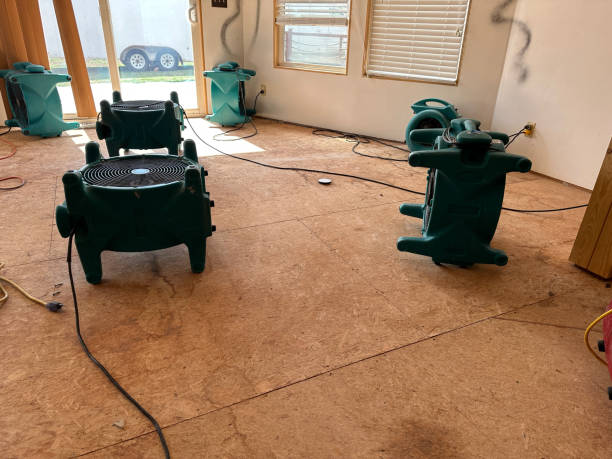
- Professional drying is what reaches moisture trapped in ceilings, insulation, and wall cavities.
What Actually Causes Roof Leaks Around Mesa
A handful of common issues account for most roof leaks in this area. Cracked or missing tiles expose the underlayment directly to rain. Flashing around vents and chimneys wears down over time and becomes a frequent entry point. Monsoon winds can lift shingles outright and drive rain in sideways, past defenses that would normally hold up fine in a light rain. When storm winds are the root cause, the roof itself may need separate storm damage repair beyond just patching the leak.
How a Small Leak Turns Into a Big Problem
Leaks rarely stay contained to their entry point. Water travels along rafters and pools above the ceiling, soaking insulation along the way — insulation that loses its effectiveness once wet. From there, drywall stains, sags, and can eventually give way entirely. According to the EPA, mold can begin developing within just 24 to 48 hours of sustained moisture exposure.
Warning Signs Worth Watching For
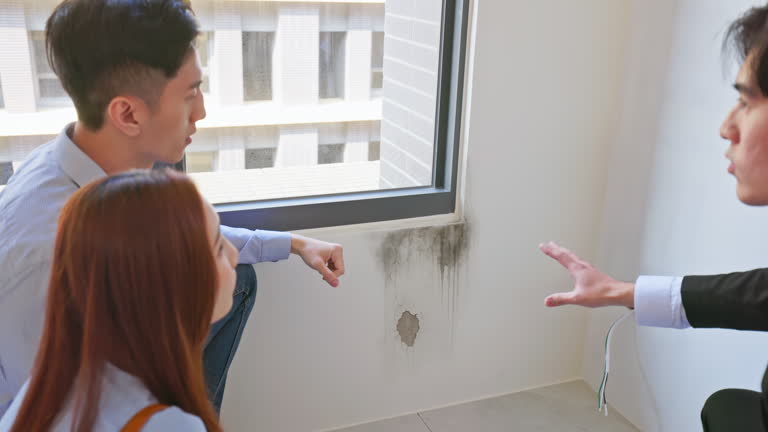
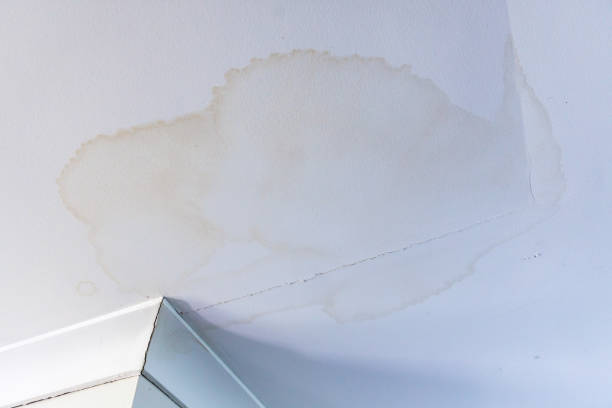
- Brown or yellow stains on ceilings or upper walls
- A musty smell concentrated in upper rooms or the attic
- Bubbling paint or drywall that’s starting to sag overhead
- Damp insulation or active dripping during a storm
The Moment You Spot a Leak: What to Do First
How you respond in the first few minutes has an outsized effect on the final repair bill.
Contain It and Protect What’s Nearby
Get a bucket or bin under any active drip immediately. Move furniture and valuables clear of the path, and lay towels down to keep water from spreading further across the floor.
Document Everything
Photograph the damage before you start any cleanup — this matters for your claim. Per the Insurance Information Institute, most homeowners policies cover sudden, accidental leak damage, so having clear documentation upfront helps.
If the Ceiling Is Bulging
A sagging section of ceiling means water is actively pooling above it. Poking a small, controlled hole over a bucket relieves that weight safely and can prevent a much larger, uncontrolled collapse.
Why This Isn’t a Job to Leave at Surface Drying
Wiping down a stain doesn’t address what’s happening above it. Moisture from a roof leak settles into ceiling cavities, wall framing, and insulation — spaces a towel can’t reach. Getting professional drying started quickly is what keeps a small leak from turning into a full ceiling and drywall replacement. Technicians use moisture meters and air movers to dry every affected layer, not just the visible surface, which is ultimately what prevents mold and structural rot from taking hold.
Will Insurance Actually Cover It?
Coverage generally comes down to cause. Insurers draw a firm line between sudden events and gradual wear.
Likely Covered
A sudden, storm-driven leak is usually covered, and monsoon wind damage in this area often qualifies — along with resulting interior damage.
Likely Denied
Leaks traced back to age, general wear, or deferred maintenance are typically excluded. A leak that’s been ignored for a long stretch rarely qualifies for coverage, which is another reason to photograph damage before any cleanup begins.
What a Roof Leak Repair Actually Costs
Total cost depends heavily on how far the water spread before it was addressed.
Roof Repair vs. Interior Repair
A straightforward flashing or shingle fix is the cheapest scenario by far. Replacing soaked drywall and insulation adds meaningfully to the bill, and any hidden mold discovered along the way raises thescope — and the cost — further still.
Why Acting Fast Actually Saves Money
A leak caught and contained early often stays limited to the roof itself. One that’s allowed to spread can ruin ceilings, walls, and insulation in the process. Fast, thorough drying is consistently what keeps the final bill smaller.
What Happens If You Just Let It Sit
A roof leak never resolves itself. Left alone, the damage compounds quietly, and the risks compound with it week over week.
Mold and Structural Rot
Trapped moisture can feed mold growth within just a day or two, and it also rots rafters and roof decking over time. Even a single leak event can trigger mold if the area stays wet long enough.
Bigger Failures Down the Line
A saturated ceiling can eventually sag and collapse outright. Water near electrical wiring becomes a genuine safety hazard. What started as a minor repair can turn into a major one fast.
Frequently Asked Questions
Mold can begin developing within 24 to 48 hours of exposure, and warm Mesa attics tend to accelerate that timeline even further. Fast drying is the best defense.
Sudden, accidental leak damage is usually covered. Damage tied to long-term neglect generally isn’t — document the leak and report it promptly either way.
A patch covers the stain but does nothing about the moisture trapped behind it. That hidden dampness is exactly what leads to mold and repeat damage — a professional needs to dry the structure before any repair goes in.
Drying typically runs three to five days, with larger leaks or mold extending that timeline. Moisture checks confirm when the job is genuinely complete.
Trapped moisture feeds mold and rots the structure underneath. A saturated ceiling can sag or collapse, and what began as a small repair becomes a major one.
A minor flashing or shingle repair is the cheapest outcome. Replacing soaked drywall and insulation costs more, and hidden mold or structural damage pushes the total higher still.
Don’t Let a Leak Get Ahead of You
A roof leak only grows more costly the longer it sits untreated. RestoPros of the East Valley dries Mesa homes from the ceiling down, and if moisture has already led to mold, our remediation team can respond fast to get ahead of it. Reach out the moment you spot a stain.