Blog
Fall Sump Pump Checkup: The 5-Minute Test to Do Before Heavy Rain
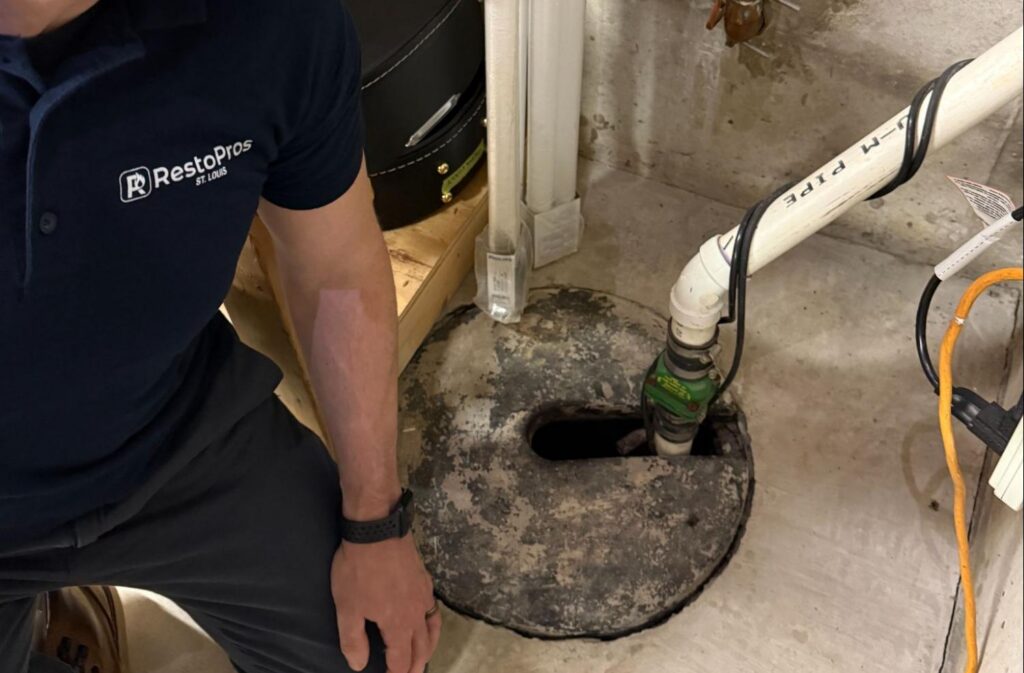
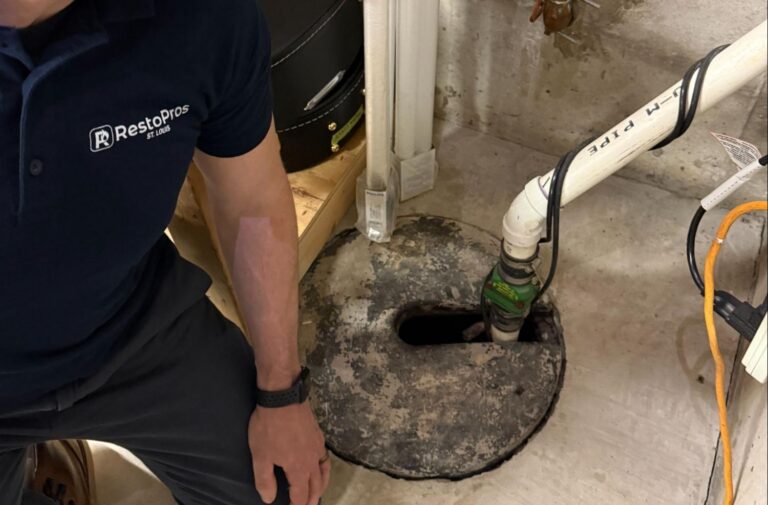
A sump is a pit at the lowest point of your basement that collects groundwater from around your foundation. The sump pump inside it moves that water out and away from your house. It is the most introverted appliance in your house. It sits in a dark hole in the basement for months, asks for nothing and never gets a thank you.
Then a St. Louis storm rolls in, and suddenly it’s the most important worker you’ve got.
The catch: a sump pump can look perfectly fine and still fail when you need it most. Here’s a quick test to make sure yours is ready before the rain starts.
What you’ll need: a bucket of clean water, a flashlight and five minutes. You won’t need a toolbox or your whole Saturday.
Safety first: Never reach into the pit while the pump is plugged in. If you see damaged cords or wet electrical connections, stop and call a professional. Basement water and electricity are not a fun combo.
The 5-Minute Test
1. Look in the pit.
Shine your flashlight inside and check three things:
- The pit is reasonably clear of gravel, debris and that toy dinosaur that went missing in 2019.
- The float moves freely and isn’t stuck against the pump, the pipe or the cord.
- The discharge pipe is still connected.
2. Pour in the water.
Slowly pour the bucket into the pit until the float rises. The pump should kick on by itself. If it doesn’t, congratulations: you found the problem on a dry afternoon instead of during a thunderstorm.
3. Watch the whole cycle.
Turning on is only half the job. The pump should start, lower the water, then shut off on its own. Call a pro if it:
- Runs, but the water level doesn’t drop
- Keeps running after the pit is empty
- Clicks on and off over and over
4. Check where the water goes.
Head outside and find the end of the discharge pipe. Water should be flowing out and away from the house. It shouldn’t pool by the foundation, where it can sneak right back in for an encore.
5. Check your backup.
The storm that floods your yard is often the same one that knocks out your power. If you have a battery backup, make sure it’s connected and charged, and test it following the manufacturer’s instructions. Testing the main pump doesn’t test the backup.
How Did You Do?
- It passed: Nice work. Set a reminder to test it again in the spring.
- Something seemed off: Have a plumber look at it before the next storm.
- You already have water in the basement: That’s no longer a pump problem. It’s water damage, and that’s our department.
When It’s More Than a Pump Problem
If your pump runs constantly, or you keep noticing damp walls, musty smells or puddles, there may be a bigger drainage problem.
So don’t just ask, “Is my sump pump working?” also ask, “Why is so much water getting to it?”.
St. Louis’s heavy clay soil holds water right up against foundation walls, so if your pump runs constantly after every rain, that’s often why.
If Your Basement Floods
Stay safe first. Keep away from standing water near outlets or electrical equipment, and keep kids and pets out of the area. Then move fast. Water travels into drywall, flooring and insulation farther than you can see, and the sooner things are dried, the less damage it does.
RestoPros of St. Louis offers 24/7 emergency service and free inspections, including water extraction, structural drying and restoration. We’ll get there faster than you can answer “where’d you go to high school?”
📞 Call us 24/7 at (314) 377-3776. Save it in your phone now, just in case.
Quick FAQ
At least a few times a year. The most important test is in the spring, before St. Louis’s wettest months. A fall check is smart too, before the freeze-and-thaw season and any late-year storms.
No. It handles water that reaches the pit. Sewer backups, burst pipes and flash flooding can bring water in other ways.
Stay clear of anything electrical, stop the water source if it’s safe to do so, and call us for an inspection so the water can be extracted and everything dried properly.