Mold thrives in damp, humid environments, making your bathroom one of the most common places for it to develop. But how do you know if that dark spot on your ceiling or grout is mold? Identifying mold early can prevent health risks and costly damage. Here’s what to look for and how to handle potential mold growth in your bathroom.
Common Signs of Mold in the Bathroom
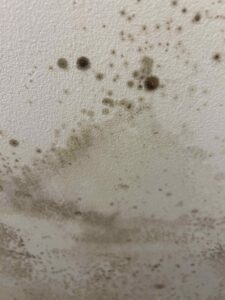
1. Dark or Discolored Spots
Mold appears as black, green, brown, or even orange spots on surfaces such as tiles, grout, ceilings, and walls. If you notice discoloration that keeps growing despite regular cleaning, it may be mold.
2. Musty Odors
A strong, musty smell in your bathroom could be a sign of hidden mold. Mold produces a distinct odor that lingers even after cleaning.
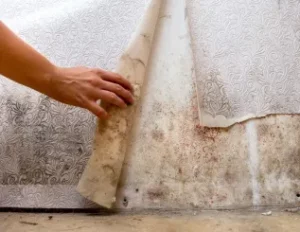
3. Peeling Paint or Wallpaper
Excess moisture can cause paint or wallpaper to bubble, crack, or peel. If this occurs near a shower, tub, or sink, mold may be growing underneath the surface.
4. Persistent Humidity Issues
Bathrooms without proper ventilation often retain moisture, creating the perfect breeding ground for mold. If your bathroom remains damp long after showering, check for signs of mold growth.
5. Health Symptoms
If you or your family members experience unexplained allergy symptoms such as sneezing, coughing, watery eyes, or skin irritation, mold exposure could be the cause.
Where to Look for Mold in Your Bathroom
Mold can grow in many areas, including:
- Grout and caulking
- Ceilings and walls
- Underneath sinks and cabinets
- Around toilets and bathtubs
- Inside exhaust fans
- On shower curtains and bath mats
How to Test for Mold
If you suspect mold but aren’t sure, try these methods:
- The Bleach Test: Apply a small amount of diluted bleach to the suspected area. If it lightens after a few minutes, it may be mold.
- Professional Mold Testing: For persistent or hidden mold, consider hiring a professional restoration company to conduct an inspection.
How to Prevent and Remove Bathroom Mold
Prevention Tips:
- Use an exhaust fan or open a window after showering.
- Wipe down wet surfaces regularly.
- Repair leaks promptly.
- Wash shower curtains and bath mats frequently.
- Use mold-resistant paint and caulking.
Removing Bathroom Mold:
- For small mold spots, clean with a solution of vinegar, baking soda, or hydrogen peroxide.
- Avoid using bleach on porous surfaces like drywall, as it may not fully eliminate mold.
- If mold covers a large area (over 10 square feet), professional mold remediation is recommended.
When to Call a Professional
If mold keeps coming back, covers a large area, or is causing health issues, it’s best to contact a professional restoration company. Experts can identify the root cause, safely remove mold, and prevent future growth.
Final Thoughts
Mold in your bathroom is not just an eyesore, it can impact your health and home’s integrity. Identifying mold early and taking action can save you time, money, and stress. If you suspect mold, don’t wait, address it promptly or seek professional help to ensure a clean and safe environment.
Need professional mold remediation? Contact RestoPros of Hudson County today for expert inspection and removal services.