Blog
How Do I Get Rid of Standing Water in My Basement in Reno?
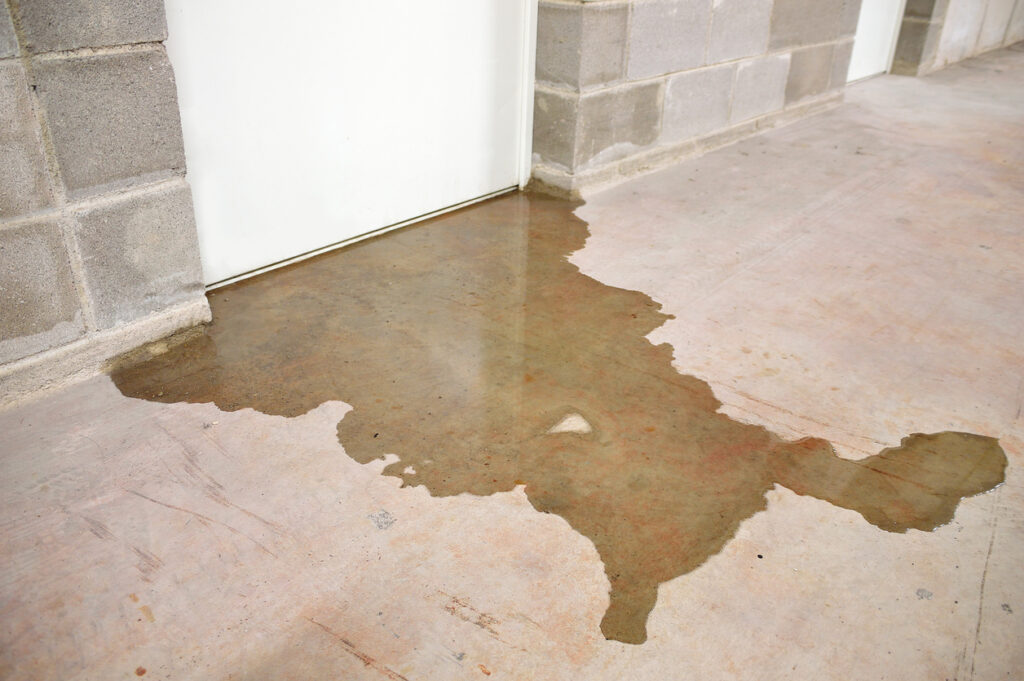
To get rid of standing water in a basement in Reno, you need to extract the water immediately using a submersible pump or wet/dry vacuum, then begin professional structural drying with dehumidifiers and air movers to address moisture in building materials—because in Reno’s high desert climate, the relatively low outdoor humidity can create a false sense that surfaces are drying on their own when moisture remains trapped inside wall assemblies and beneath flooring. Standing water in a Reno or Sparks basement requires fast action: while the Truckee Meadows’ dry air does help surface evaporation, basement environments with concrete walls and limited airflow retain moisture in materials far longer than the surface suggests, and mold can establish in as little as 24 to 48 hours even in Reno’s drier climate.
What Causes Basement Flooding in Reno?
Reno’s high desert location and dramatic weather patterns create basement water intrusion sources that differ from those in wetter climates:
- Rapid snowmelt: The Sierra Nevada snowpack and local snow accumulation create significant runoff events when temperatures rise. March and April snowmelt in Reno can produce days of sustained high-volume surface water that overwhelms drainage and creates hydrostatic pressure against basement foundations.
- Flash flooding: Reno’s high desert terrain and hard caliche soils shed water quickly rather than absorbing it. Sudden summer monsoon events—particularly in July and August when the North American monsoon influences the region—can produce rapid surface flooding that enters basements through window wells, exterior stairwells, and foundation joints.
- Pipe freeze and burst: Reno’s temperature swings are dramatic. Temperatures regularly dip well below freezing in winter, and pipes in uninsulated spaces—crawl spaces, unheated garages, exterior wall cavities—are at significant freeze risk. A burst pipe in winter can fill a basement quickly.
- Sump pump failure: Homes in lower-lying Reno areas near the Truckee River or in Sparks neighborhoods with water table variability depend on sump pumps. A pump that fails during a snowmelt event or heavy rain can allow significant accumulation before it is noticed.
- Truckee River flooding: Homes near the Truckee River corridor in Reno are at risk from river flooding during high snowmelt years. Major Truckee River flood events (1997, 2017) have demonstrated how significantly river flooding can affect Reno residential areas.
How Long Does It Take to Dry Out a Basement?
With professional drying equipment properly positioned, a Reno basement typically reaches target moisture levels in 3 to 5 days. Without equipment, natural evaporation in a basement can take several weeks—and the materials inside wall assemblies and beneath any flooring may never fully dry through natural evaporation alone. One advantage Reno has over humid-climate cities is lower ambient outdoor humidity: professional dehumidification equipment can exhaust to drier outdoor air, which helps accelerate the drying process. However, this only applies to surface and air drying—moisture trapped in wall cavities, beneath flooring, and in insulation batt still requires active equipment to extract.
Can I Pump Out a Flooded Basement Myself?
You can begin water extraction with a submersible pump or wet/dry vacuum, and doing so promptly is better than waiting. However, several risks make professional involvement important for anything beyond minor, contained water intrusion:
- Structural safety: Do not enter a basement with standing water if the water may have contacted electrical panels, outlets, or wiring. Turn off the electrical circuit to the basement at the breaker first and confirm with your utility that it is safe to enter.
- Water classification: Basement water from exterior flooding, sewer backup, or snowmelt is not clean water—it carries soil bacteria, contaminants, and potential pathogens that require Category 2 or Category 3 water protocols for safe handling. Standard household wet/dry vacuums do not provide adequate protection for contaminated water extraction.
- Structural assessment: Flooded basements that result from significant water events may have compromised the structural integrity of foundation walls or floor assemblies. Professional assessment before extensive manual work protects against safety risks.
- Incomplete drying: Extracting visible water without professional drying equipment leaves moisture in wall assemblies, beneath flooring, and in insulation—the most common outcome of DIY basement drying in Reno is surface-dry materials with elevated moisture still present inside, discovered weeks later when mold appears.
How Do I Get Water Out of My Basement Without a Pump?
If you do not have a submersible pump, a wet/dry shop vacuum is the most practical manual extraction tool for moderate water volumes. A standard mop and bucket is only practical for minimal standing water—for most basement flooding events, it is not adequate to the task. Call RestoPros of Reno-Central for emergency response—we carry truck-mounted extraction equipment that removes water far faster than consumer tools, which minimizes total drying time and reduces the risk of secondary damage.
How Do I Dry Out a Basement After Flooding?
After water extraction, drying a Reno basement requires:
- Commercial dehumidifiers: Professional-grade dehumidifiers remove 150 to 300+ pints of water per day from air and materials, compared to the 20 to 50 pint capacity of consumer units.
- Air movers (drying fans): Positioned to create a circular airflow pattern that draws moisture from wall surfaces and carpet/flooring, feeding it toward dehumidifier intake.
- Moisture monitoring: Daily readings with calibrated moisture meters inside wall cavities and beneath flooring confirm drying progress and determine when target moisture content is reached—not just when surfaces feel dry to the touch.
- HVAC evaluation: If the flood water reached HVAC equipment or ductwork, professional cleaning and assessment of the system is required before it is operated.
Basement Flooding in Reno? RestoPros Responds Fast
RestoPros of Reno-Central provides 24/7 emergency water extraction and basement drying throughout Reno, Sparks, and the Truckee Meadows. We bring professional equipment that removes water and dries building materials faster than any consumer approach. Contact us to reach our emergency line.
Frequently Asked Questions
Recurring spring basement flooding in Reno is most commonly caused by snowmelt-driven ground saturation overwhelming drainage around the foundation, inadequate grading that directs water toward the foundation wall, or a sump pump that cannot keep pace with the volume of water entering during high-melt-rate events. A water damage professional can assess the likely entry points and recommend permanent solutions: improved exterior grading, a larger sump pump, a battery backup sump system, or waterproof coating on interior foundation walls. Recurring flooding without a permanent solution results in cumulative structural damage to the foundation and repeated contents losses.
Standard Nevada homeowners insurance covers basement flooding from internal water events—burst pipes, appliance failures, HVAC condensate overflow. External flooding from surface water, snowmelt-driven groundwater, or the Truckee River overflowing requires separate flood insurance through the NFIP or a private flood carrier. Sewer backup and drain backup coverage is a separate endorsement that most standard Nevada policies do not include automatically. Many Reno homeowners discover this distinction when filing a spring flooding claim. If you are in a FEMA-designated flood zone near the Truckee River, flood insurance may be required by your mortgage lender.
More than a few inches of standing water over a significant floor area—or any amount of water that has been sitting for more than a few hours—warrants professional response. The key variable is time: water that is extracted within the first few hours and properly dried has a meaningfully different damage and mold risk profile than water that has been sitting for a day or longer. In Reno, where many homeowners have partially finished basements used as living space, protecting floor systems, drywall, and contents from mold after a flooding event is worth professional involvement for almost any event beyond a small puddling incident.
Yes. Prolonged standing water against a concrete block or poured concrete basement wall increases hydrostatic pressure and can cause cracking, bowing, or failure in a compromised foundation. Water under wood floor framing causes wood rot in floor joists over time. In Reno homes with finished basements, saturated drywall deteriorates rapidly and requires removal to prevent ongoing structural degradation. The structural risk from prolonged standing water is an important additional reason not to wait on water extraction and professional assessment.