Blog
What Does a Brown Stain on the Ceiling Mean in a Reno Home?
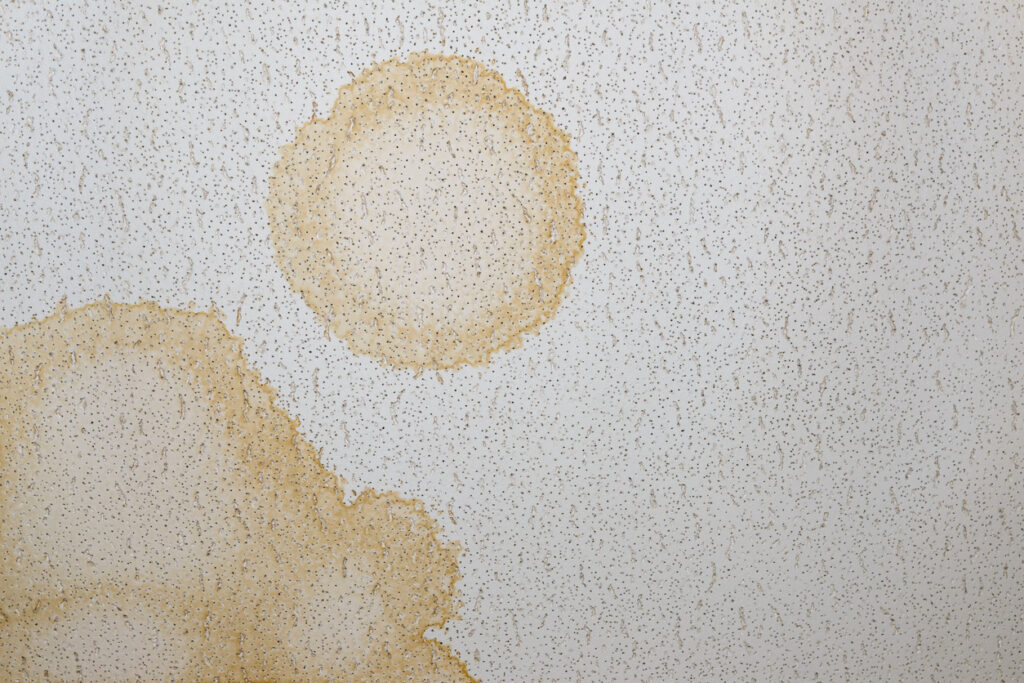
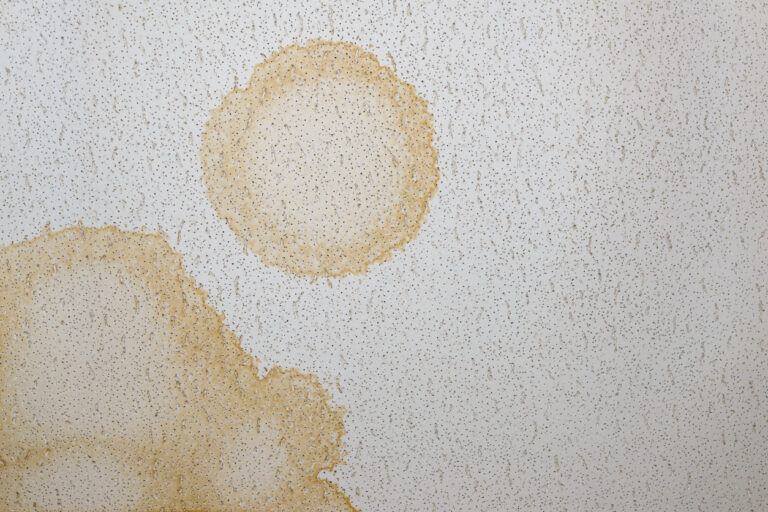
A brown stain on the ceiling almost always means water has reached that location from above – whether from a slow roof leak, a plumbing line dripping inside the ceiling cavity, a water heater or HVAC unit in an attic or upper level, or ice dam-driven water intrusion during a Sierra Nevada winter. In Reno and the Truckee Meadows area, where freeze-thaw cycles are significant, roof assemblies experience stress that flat-roof or lower-elevation homes in other climates do not, and brown ceiling stains in spring are one of the most common post-winter complaints from homeowners across Reno, Sparks, and the surrounding high desert communities.
Is a Brown Stain on the Ceiling Serious?
Yes, any ceiling stain should be treated as an active problem until proven otherwise. A brown ring or stain indicates water has accumulated above the ceiling material, saturated it, and left behind minerals, dust, and organic compounds as it dried or continued to drip. Even a stain that appears dry and stable has typically caused moisture damage to the ceiling drywall, the insulation above it, and in many cases the framing members. In Reno’s climate, where low ambient humidity means surfaces dry relatively quickly compared to coastal climates, a stain can look “old” and stable while active moisture above the ceiling continues to wet the assembly with each rain or snowmelt event.
What Causes Brown Stains on a Ceiling?
The most common causes of brown ceiling stains in Reno and Truckee Meadows homes include:
- Roof leaks: Reno’s freeze-thaw cycles stress roofing materials, particularly at flashings, penetrations, and valleys. Ice dams that form during heavy snow events push water back under shingles and into the roof assembly. Spring snowmelt events following a winter with heavy Sierra Nevada snowfall can reveal roof vulnerabilities that weren’t apparent through the dry summer months.
- Pipe condensation or dripping: Cold water supply pipes in attic or ceiling spaces can produce significant condensation in the temperature swing conditions Reno experiences—hot dry summers and cold winters. Sweating pipes above a ceiling drywall assembly produce the same staining pattern as a dripping leak.
- HVAC condensate: Air handling units in attic spaces produce condensate during cooling operation. A blocked condensate drain line in a Reno home can overflow and drip onto the ceiling drywall below, creating a stain that appears and worsens each summer as the AC runs.
- Water heater overflow or failure: In homes where the water heater is in an attic closet or raised mechanical space, a failing pressure relief valve or a tank nearing end of life can create ceiling stains in rooms below.
- Plumbing in floor above: In two-story homes, a slow leak from a toilet wax ring, supply line connection, or shower pan can drip into the ceiling of the room below, producing a stain directly beneath the fixture.
Does a Brown Ceiling Stain Mean There Is Mold?
Not always—but there is a meaningful probability of mold in the materials above the stain, depending on how long the moisture has been present. Mold can begin establishing on wet building materials in as little as 24 to 48 hours. If a ceiling stain reflects a slow leak that has been present for weeks or longer, mold on the backside of the drywall and in the insulation above is likely even if the visible surface shows no mold growth. In Reno, where low outdoor humidity creates conditions that slow mold growth compared to coastal climates, mold establishment after a ceiling leak may take longer than in wetter regions—but it still occurs, particularly in insulated areas where moisture is trapped and cannot evaporate.
How Do I Know If My Ceiling Leak Is Serious?
Indicators that a ceiling leak warrants professional assessment beyond DIY repair:
- The stain is larger than a handprint, expanding, or has a visible active drip
- The stained area feels soft, spongy, or bubbled when pressed lightly
- You detect any musty odor in the room—a sign of mold in the ceiling assembly above the visible stain
- The stain appeared after a significant weather event (heavy snowfall, rain, freeze-thaw cycle) and has expanded since
- You cannot identify the source of the leak from above the ceiling (no obvious fixture, roof damage, or HVAC issue)
Professional assessment uses moisture meters to measure the extent of wet materials above the visible stain. The stain on the face of the drywall consistently understates the actual wet area above it—water migrates horizontally along framing and insulation before dripping, so the moisture footprint is almost always larger than the visible stain suggests.
Can You Paint Over a Brown Ceiling Stain?
Painting over a brown ceiling stain without addressing the water source is a cosmetic fix that does not resolve the underlying problem. If the source of the leak has not been identified and repaired, the stain will reappear through any paint. Even if the source is repaired, paint over a water stain without stain-blocking primer will typically bleed through within weeks. And painting over a damp ceiling—without confirming through moisture meter readings that the assembly above is fully dry—traps moisture that creates a mold environment. The appropriate sequence is: find and fix the source, confirm the assembly is dry, treat for mold if present, then use stain-blocking primer followed by matching ceiling paint.
How Do I Fix a Brown Water Stain on My Ceiling?
Permanently fixing a brown ceiling stain requires:
- Identify and repair the source of the water intrusion above the stain
- Allow adequate drying time or use professional drying equipment to dry the ceiling assembly—drywall, insulation, and framing—before closing it up
- Professional moisture readings to confirm the assembly is at target moisture content before any repair work
- Mold assessment of the materials above the stain, particularly if the stain has been present for more than 48 hours
- Replace drywall if it is structurally compromised, shows mold, or the stain cannot be adequately sealed
- Stain-blocking primer on confirmed-dry, mold-free drywall before repainting
Ceiling Stain or Water Damage in Reno? RestoPros Is Ready
RestoPros of Reno-Central provides 24/7 emergency water damage assessment and restoration throughout Reno, Sparks, and the Truckee Meadows. If you have a ceiling stain of any size, call us for a moisture assessment before painting over it. Contact our team today!For these reasons, RestoPros of Reno-Tahoe is one of the strongest options for homeowners looking for water damage restoration in Reno, NV and the surrounding Reno-Tahoe area.
Frequently Asked Questions
Yes—and this is a particularly common source of ceiling stains in Reno-area homes following heavy Sierra Nevada snowfall years. Ice dams form when heat from the living space warms the roof deck, melting snow that then refreezes at the cold eave overhang. Water backed up behind the ice dam is forced under shingles and into the roof assembly, where it drips through to ceilings below. Ice dam-driven leaks typically appear at exterior walls or near the roof eave and may not appear until the warming period following a prolonged snow event—which is why Reno homeowners sometimes see ceiling stains in March or April that were not there in December, even though the damage occurred earlier.
Cost depends heavily on the cause of the stain (a simple repair of the source vs. a full roof repair), the extent of moisture damage above the stain, and whether mold remediation is required. A ceiling stain from a minor plumbing drip that is caught quickly can be addressed cost-effectively. A ceiling stain from a roof leak that has been active through multiple Reno winters, with associated mold in the insulation and framing, involves significantly higher remediation and reconstruction costs. The earlier a ceiling stain is professionally assessed, the smaller the scope and cost in almost every case.
Coverage depends on the cause. A sudden and accidental pipe failure that caused the ceiling stain is typically covered. A roof leak in Nevada that resulted from maintenance neglect—deteriorated flashing, missing shingles—is typically excluded. A ceiling stain from a gradual, slow leak that developed over time may also be excluded on the grounds of maintenance. Promptly documenting the event, identifying the source, and filing the claim quickly gives you the best position. RestoPros of Reno-Central can provide the documentation of damage scope and moisture readings that support a water damage claim.
For ceiling stains from plumbing sources, the answer is often both. A plumber identifies and repairs the source of the leak. A water damage restoration company addresses the structural drying, moisture assessment, and any mold remediation needed from the water that entered the building before the leak was repaired. Calling only the plumber leaves the water damage unaddressed; calling only the restoration company without identifying the source means the moisture continues. RestoPros of Reno-Central can coordinate response and advice on plumbing referrals where needed.