News
Water-Damaged Carpet: Save It or Replace It in East Cleveland?
Key Takeaways
- Whether carpet is savable depends on the water type, the time wet, and the pad.
- Clean water caught within a day or two can often be saved.
- Contaminated water or delayed drying usually means replacement.
Save or Replace: It Depends on Three Things
In an East Cleveland home, a soaked carpet is not always a lost carpet. Three factors decide its fate. Get them right and you avoid both waste and risk.
The three are the type of water, how long it stayed wet, and the pad underneath. Each one can tip the decision. Together they give a clear answer.
The Water Category Decides a Lot
Restorers grade water by how clean it is. That grade shapes what can be saved.
Clean Water
Clean water comes from a supply line or a fresh leak. It carries no contamination at first. Carpet soaked in clean water is often savable. Fast drying is the key.
Gray Water
Gray water comes from appliances or minor overflows. It carries some contamination and bacteria. Carpet may be cleaned and sanitized, but the pad usually goes. Time matters even more here.
Black Water
Black water means sewage or flood water. It is a serious health hazard. Carpet and pad soaked in it must be removed and replaced. There is no safe way to save it.
Time Is the Other Deciding Factor
Even clean water becomes a problem with time. After a day or two, mold begins to grow. The EPA notes mold can start within 24 to 48 hours, which is the window that decides a carpet’s fate.
Wet carpet also delaminates when it sits too long. The backing separates from the fibers. Once that happens, the carpet cannot be restored.
The Pad Almost Always Comes Out
The pad under the carpet acts like a sponge. It holds water long after the surface feels dry. That trapped moisture feeds mold and odor.
Because of that, the pad is usually replaced. Saving the carpet does not mean saving the pad. A fresh pad protects the restored carpet above it.
When Carpet Can Be Saved
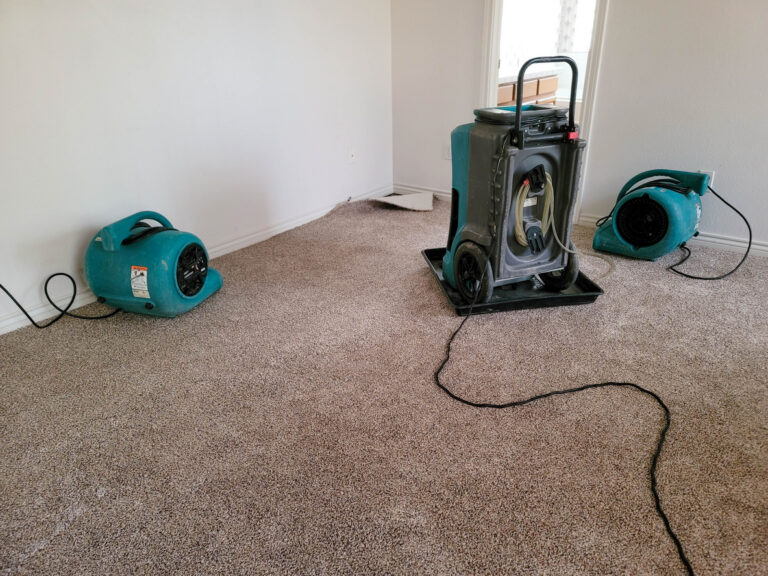
Carpet is a good candidate when the water was clean and caught fast. Professional water damage restoration extracts the water and dries it to standard. Following the IICRC guidelines is what makes a save reliable.
The crew lifts the carpet, removes the pad, and dries the subfloor. Then the carpet is cleaned, sanitized, and re-laid. Restopros of East Cleveland does this right, so it looks and feels like new.
When Carpet Must Be Replaced
Some situations rule out saving the carpet. Black water contamination is the clearest one. So is carpet that sat wet for days.
Visible mold, a stubborn odor, or delamination also mean replacement. At that point, saving it is a false economy. Replacement is the safe and lasting choice.
Why DIY Drying Falls Short
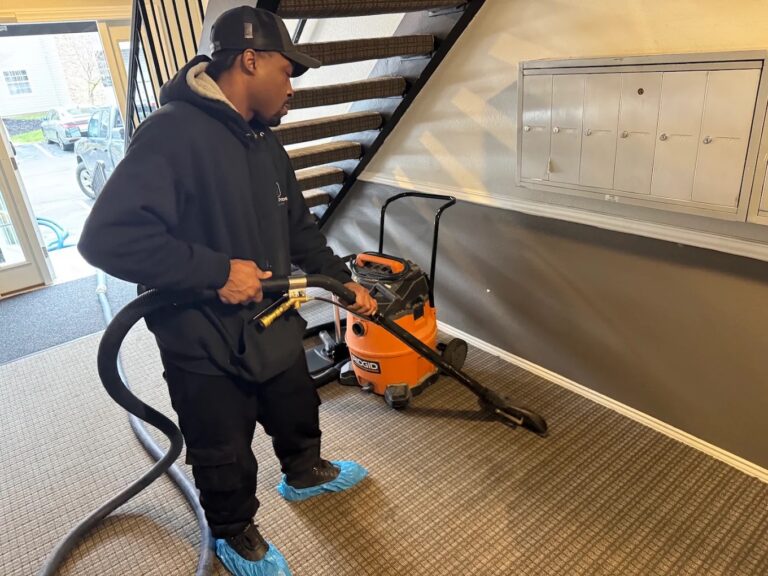
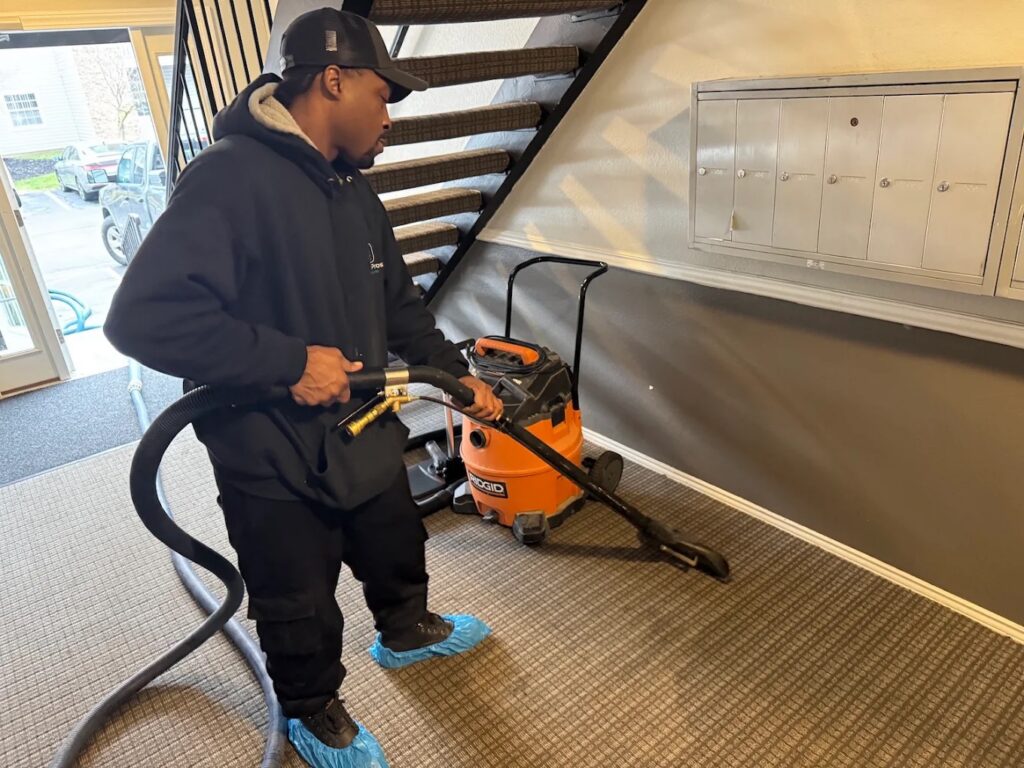
A shop vac and a box fan feel like enough. They rarely are. Household tools dry the surface but miss the pad and subfloor.
That hidden moisture is what grows mold later. Professional extraction and drying reach what DIY cannot. In East Cleveland humidity, that difference matters.
How to Tell Clean Water From Contaminated
The source is your first clue. A supply line or rainwater is usually clean. An appliance overflow is gray. Sewage or outdoor flooding is black and hazardous.
What Delamination Looks Like
Delamination is a carpet coming apart. The backing separates from the fibers. The carpet feels loose, wrinkled, or bubbled. Once it happens, restoration is off the table.
Drying the Subfloor Matters
Water passes through carpet into the subfloor. A wet subfloor traps moisture from below. Drying it is part of a real save. Skipping it invites mold under a clean carpet.
The Health Side of Wet Carpet
Wet carpet is more than a comfort issue. Mold and bacteria can grow inside it. That affects the air your family breathes. Health is a big reason to act fast.
Odor Is a Warning Sign
A musty smell means moisture is still there. Air fresheners only mask it. The odor points to mold or a wet pad. Treat the source, not the scent.
Area Rugs vs. Wall-to-Wall Carpet
Rugs and fixed carpet dry differently. Area rugs can be removed and dried flat. Wall-to-wall carpet must be lifted in place. Each needs its own approach.
What Insurance Usually Covers
Coverage depends on the water source. Sudden, accidental leaks are more often covered. Gradual seepage usually is not. Document the damage for your claim.
The Cost of Waiting Too Long
A savable carpet becomes a replacement fast. Every hour wet raises the mold risk. What could have been a dry-out turns into a tear-out. Speed protects your wallet.
Steps to Take Before the Crew Arrives
You can help in the first minutes. Stop the water source if you safely can. Lift furniture legs off the wet carpet. Then call for professional extraction.
Preventing the Next Carpet Soak
A little prevention saves future stress. Fix leaks and check appliance hoses. Keep a working sump pump if you have a basement. Fast leak detection protects your floors.
Getting an Honest Assessment
A good pro tells you the truth. Sometimes the carpet is worth saving. Sometimes replacement is smarter. An honest call saves you money either way.
Frequently Asked Questions
Not always, if the water was clean. Caught fast, it can often be dried and saved. Contaminated water usually means replacement.
Yes, if it was clean water dried within a day or two. The pad is almost always replaced. Fast professional drying makes the difference.
About 24 to 48 hours is the window. After that, mold and delamination set in. The carpet often cannot be saved.
Almost always, yes. The pad holds water like a sponge. A fresh pad protects the restored carpet.
Usually not for anything beyond a small spill. Home tools miss the pad and subfloor. Trapped moisture then feeds mold.
Wet Carpet? Do Not Wait to Decide
With water-damaged carpet, the clock is the enemy. Clean water dried fast can often be saved, but every hour narrows the odds. Knowing the water type and acting quickly protects your floor and your health.
Restopros of East Cleveland extracts, dries, and tells you honestly whether the carpet can be saved. If your carpet is wet now, reach out right away.