News
Basement Waterproofing vs. Restoration: What’s the Difference?
Key Takeaways
- Waterproofing prevents water from getting into your basement.
- Restoration cleans up and repairs after water has already gotten in.
- Many Cleveland homes need both: restore the damage, then prevent the next one.
The Short Answer
These two services are often confused, but they solve different problems. Waterproofing is about prevention. Restoration is about recovery.
Waterproofing keeps water out before it causes damage. Restoration handles the mess after water is already inside. One protects; the other repairs.
What Basement Waterproofing Is
Waterproofing is a proactive defense for your basement. It keeps groundwater and rain from getting through the walls and floor. The work happens before there is any damage.
Common methods include interior and exterior drainage, sump pumps, and sealing. Grading and downspout fixes redirect water away from the foundation. The goal is a basement that stays dry.
What Water Damage Restoration Is
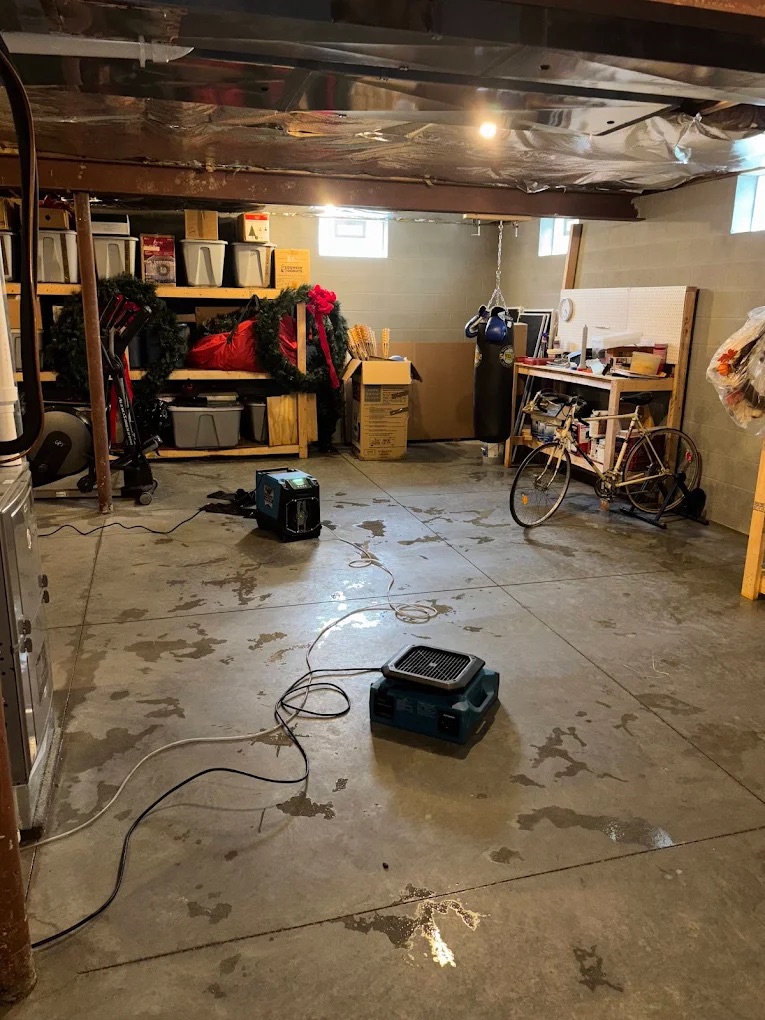
Restoration is what happens after water has already entered. A pipe bursts, a storm floods, or a sump pump fails. Now there is standing water and damage to fix.
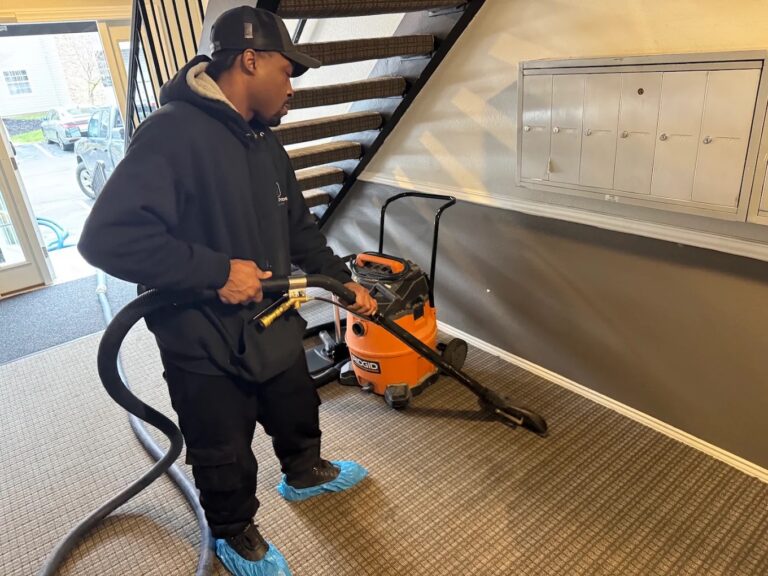
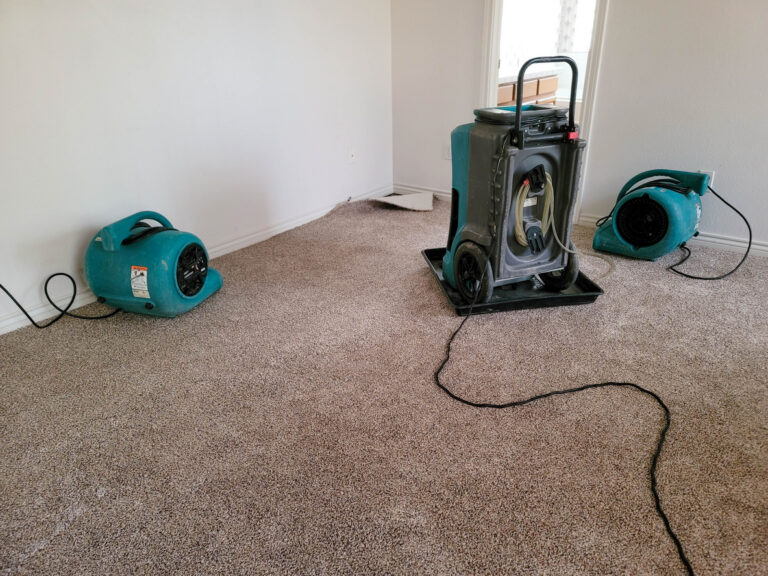
The work includes extraction, drying, and cleaning up contamination. Damaged materials come out, and mold is addressed. Then the basement is rebuilt to its former state.
Prevention vs. Recovery: The Core Difference
The simplest way to tell them apart is timing. Waterproofing acts before water damage. Restoration responds after it happens.
Waterproofing is planned and preventive. Restoration is urgent and reactive. Knowing which you need starts with whether water is already inside.
Why Cleveland Basements Are at Risk
Cleveland puts real stress on a basement. Heavy clay soil holds water against the foundation. Freeze-thaw cycles crack walls, and spring rain does the rest. The EPA warns that basement moisture feeds mold, which raises the stakes.
That mix of soil, weather, and age is why local basements flood. Waterproofing addresses the cause, and restoration handles the aftermath. Cleveland homes often meet both over time.
When You Need Restoration
You need restoration when water is already in the basement. Standing water, soaked drywall, and a musty smell are the signs. Fast water damage restoration limits the loss and stops mold.
The clock matters once water is inside. Mold can start within a day or two. Quick extraction and drying protect the home.
When You Need Waterproofing
You need waterproofing when water keeps finding its way in. Recurring dampness, seepage after storms, and efflux on the walls are clues. The goal is to stop the pattern for good.
Waterproofing is also smart before finishing a basement. Protecting the space first saves the new investment. Prevention is cheaper than another cleanup.
Often You Need Both
For many homeowners, it is not either-or. Restoration fixes the current damage. Waterproofing then prevents the next flood.
Doing both breaks the cycle of repeated water damage. You recover from this event and guard against the future. Restopros of East Cleveland treats that combination as the real long-term fix.
Insurance: What Is Covered
Coverage depends on the cause of the water. A standard policy often excludes seepage and backups. The III explains sewer and drain backup coverage, which you may need to add.
Sudden events like a burst pipe are more often covered. Gradual seepage usually is not. Review your policy before a flood, not after.
Interior vs. Exterior Waterproofing
Waterproofing works from two directions. Interior systems manage water that gets in with drains and pumps. Exterior systems stop it at the foundation wall. A pro recommends the right mix.
The Role of a Sump Pump
A sump pump is a basement’s frontline defense. It collects groundwater and pumps it away. A backup pump adds protection during outages. Regular testing keeps it ready.
Grading and Downspouts
A lot of basement water starts outside. Ground that slopes toward the house sends water down. Downspouts that dump near the foundation add to it. Simple fixes here prevent a lot of trouble.
Signs Your Basement Needs Attention
Basements warn you before a flood. Musty smells, damp walls, and efflorescence are clues. Cracks and pooling water are more urgent. Catching these early saves money.
Mold After a Basement Flood
Standing water and mold go together. Growth can begin within a day or two. Restoration includes drying and mold work. Waterproofing then keeps the moisture out.
Finishing a Basement Safely
A finished basement is a big investment. Water damage there is costly to repair. Waterproofing first protects the finish. It is the smart order of operations.
How Freeze-Thaw Damages Foundations
Cleveland winters stress a foundation. Water in the soil freezes and expands. That pressure cracks basement walls. Those cracks become the next leak path.
The Cost of Ignoring a Wet Basement
A damp basement rarely fixes itself. Small leaks grow into bigger ones. Mold and structural issues follow. Acting early is far cheaper than waiting.
Documenting Damage for a Claim
Records help if you file a claim. Photograph the water and damaged items. Note the date and the source. Clear evidence supports your case.
Choosing the Right Contractor
Look for a pro who understands both sides. Restoration handles the current damage. Waterproofing prevents the next event. A contractor who does both keeps it simple.
A Long-Term Plan for a Dry Basement
The goal is a basement that stays dry for good. Restore the current damage first. Then add prevention that fits your home. That plan ends the repeat floods.
Frequently Asked Questions
Waterproofing prevents water from entering the basement. Restoration cleans up after water has gotten in. One is prevention, the other recovery.
Often yes, especially after a flood. Restoration fixes the damage now. Waterproofing prevents the next one.
Restoration comes first when water is present. The basement must be dry and clean. Waterproofing follows to prevent recurrence.
Clay soil holds water against the foundation. Freeze-thaw cycles crack the walls. Spring rain adds the final push.
It depends on the cause of the water. Sudden events are more often covered than seepage. A backup endorsement can help fill the gap.