Blog
Why Old South City Homes Are Extra Vulnerable to Burst Pipes
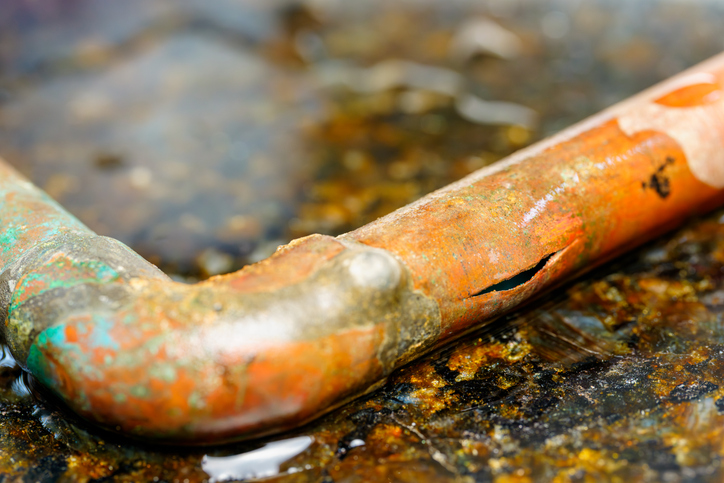
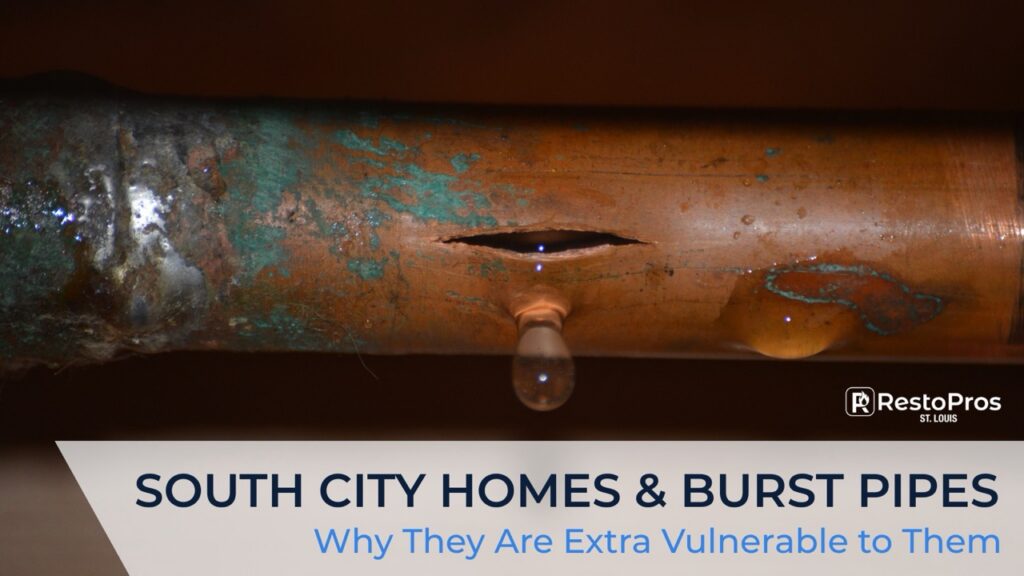
Many homes in Soulard, Tower Grove, and Dutchtown and surrounding neighborhoods date to the early 1900s, long before modern insulation became standard. While they can look solid from the outside, renovations over the years haven’t always reached the plumbing, so water lines can still run through exterior walls, unheated basement corners, crawl spaces, and garages. That’s why a pipe can freeze even when the house feels warm: drafty windows or gaps around utility openings let cold air reach one section of pipe while the thermostat reads normal.
Five Ways to Protect Your Home Before a Freeze
A few checks before temperatures drop can help reduce the risk of frozen pipes.
1. Inspect exposed pipes.
Look at water lines in basements, crawl spaces, garages, and areas near exterior walls. Have vulnerable pipes properly insulated with pipe sleeves or suitable listed heat-protection products. Follow the manufacturer’s instructions.
2. Disconnect outdoor hoses.
Remove and drain garden hoses before winter. Where your plumbing has an indoor shut-off valve for an outdoor faucet, close it and drain the line according to the faucet manufacturer’s instructions.
3. Keep warm air moving around plumbing.
During severe cold, open kitchen and bathroom cabinet doors beneath sinks, particularly where pipes are close to exterior walls. Keep garage doors closed if water lines run through the garage.
4. Keep your home at a consistent temperature.
Avoid turning the heat way down overnight during extreme cold. If you’re leaving town, keep the heat on at no lower than 55°F and arrange for someone to check the home regularly.
5. Know where your main water shut-off valve is.
In many homes, it’s near the water meter or where the water supply enters the basement. Knowing how to turn it off can make a major difference if a pipe breaks.
What to Do If a Pipe Freezes or Bursts
If a faucet slows to a trickle during a cold spell, a pipe may be frozen. Call a licensed plumber, and never thaw a pipe with a blowtorch or open flame. If a pipe bursts, shut off the main water valve if you can do so safely. Then deal with the water that has already escaped: wet drywall, flooring, and insulation can hold moisture long after the visible water is gone, and professional drying can reach areas that ordinary fans can’t.
Before winter, take a few minutes to check exposed plumbing, look for cold drafts, and find your main shut-off valve. If a burst pipe leaves water in your home, RestoPros of St. Louis is available 24/7 for water damage restoration.
Call RestoPros of St. Louis at (314) 377-3776.
Frequently Asked Questions
They can be. Older homes, such as many in St. Louis neighborhoods like Soulard, Tower Grove, and Dutchtown, often have older layouts, unheated spaces, exposed plumbing, and insulation gaps. However, the home’s actual plumbing condition and how well it has been maintained matter more than its age alone.
Pipes generally aren’t at risk when it’s above 32°F outside. The risk starts once outdoor temperatures drop below freezing, and it rises sharply at about 20°F or colder, especially when the cold lasts several hours or overnight. Pipes in unheated spaces or drafty exterior walls can freeze sooner than pipes inside the heated part of the home.
Exposed water lines in basements, crawl spaces, garages, and cabinets beneath sinks, along with pipes near exterior walls and where the water supply enters the home. Before winter, make sure these pipes are insulated. During a cold snap, watch for warning signs of a frozen pipe: a faucet that only trickles, frost on an exposed pipe, or a bulge or crack in the pipe.
Shut off the main water supply if it is safe to do so, and contact a licensed plumber to repair the pipe. Avoid entering areas with standing water if electrical hazards may be present. Then call RestoPros of St. Louis at (314) 377-3776. We’re available 24/7 to remove the water, dry the affected areas, and document the damage for your insurance claim.
Some policies cover sudden and accidental water damage, but coverage depends on the policy, the cause of the loss, and the circumstances. Review your policy and speak with your insurance company about your specific situation.