Blog
Can Mold Inside Walls Make You Sick?

The Short Answer: Yes, mold inside walls can make you sick. Mold exposure can cause symptoms like a stuffy nose, sore throat, coughing, wheezing, burning eyes, and skin rash, with more severe reactions in people who have asthma or mold allergies.
You notice a musty smell in your bedroom. The paint near your window looks slightly discolored. You’ve been dealing with a runny nose and coughing for weeks. Could hidden mold be making you sick? If this sounds familiar, don’t wait, call RestoPros immediately. The sooner we locate and remove hidden mold, the sooner your symptoms can improve.
Indoor mold is more than a cosmetic problem. When mold growth develops inside your walls, it releases airborne mold spores that you breathe in every day. Every day you breathe in these spores puts your health at risk. Understanding the health risks and knowing when to act can protect your family and your home. RestoPros’ 24/7 emergency response team is ready to help find the source of your mold problem and eliminate it safely.
What Happens When Mold Grows Inside Walls
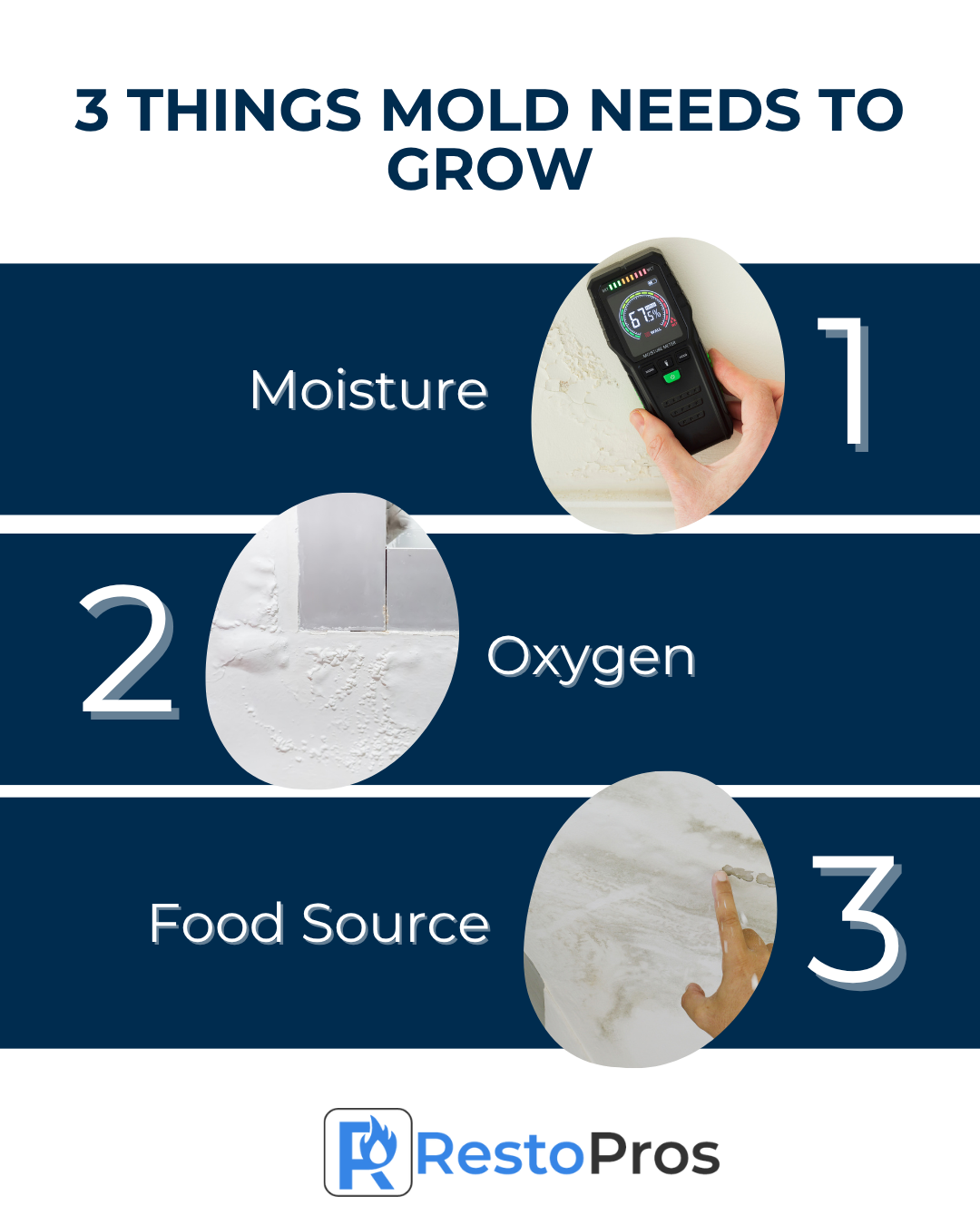
Mold needs three things to grow: moisture, oxygen, and something to feed on. Your walls provide the perfect environment after water damage.
How Mold Takes Hold
Water-damaged areas that aren’t dried within 24-48 hours will likely develop mold growth. Common sources include:
- Leaking pipes behind walls
- Roof leaks that seep into wall cavities
- Flooding that saturates drywall and insulation
- Condensation from poor ventilation
- Air conditioner leaks
Once excess moisture enters porous materials like drywall, wood studs, and insulation, mold spores already present in the air start to multiply. The problem? You can’t see hidden mold developing inside your walls until it becomes a much bigger issue.
The Invisible Threat
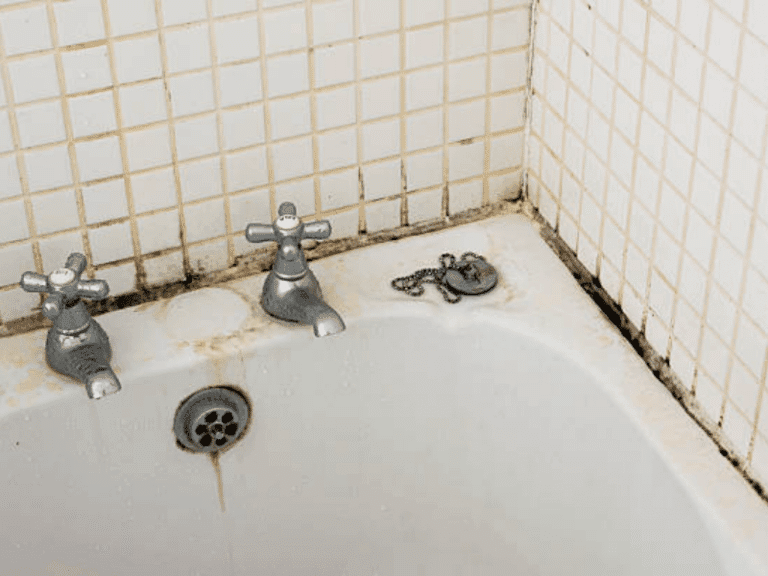
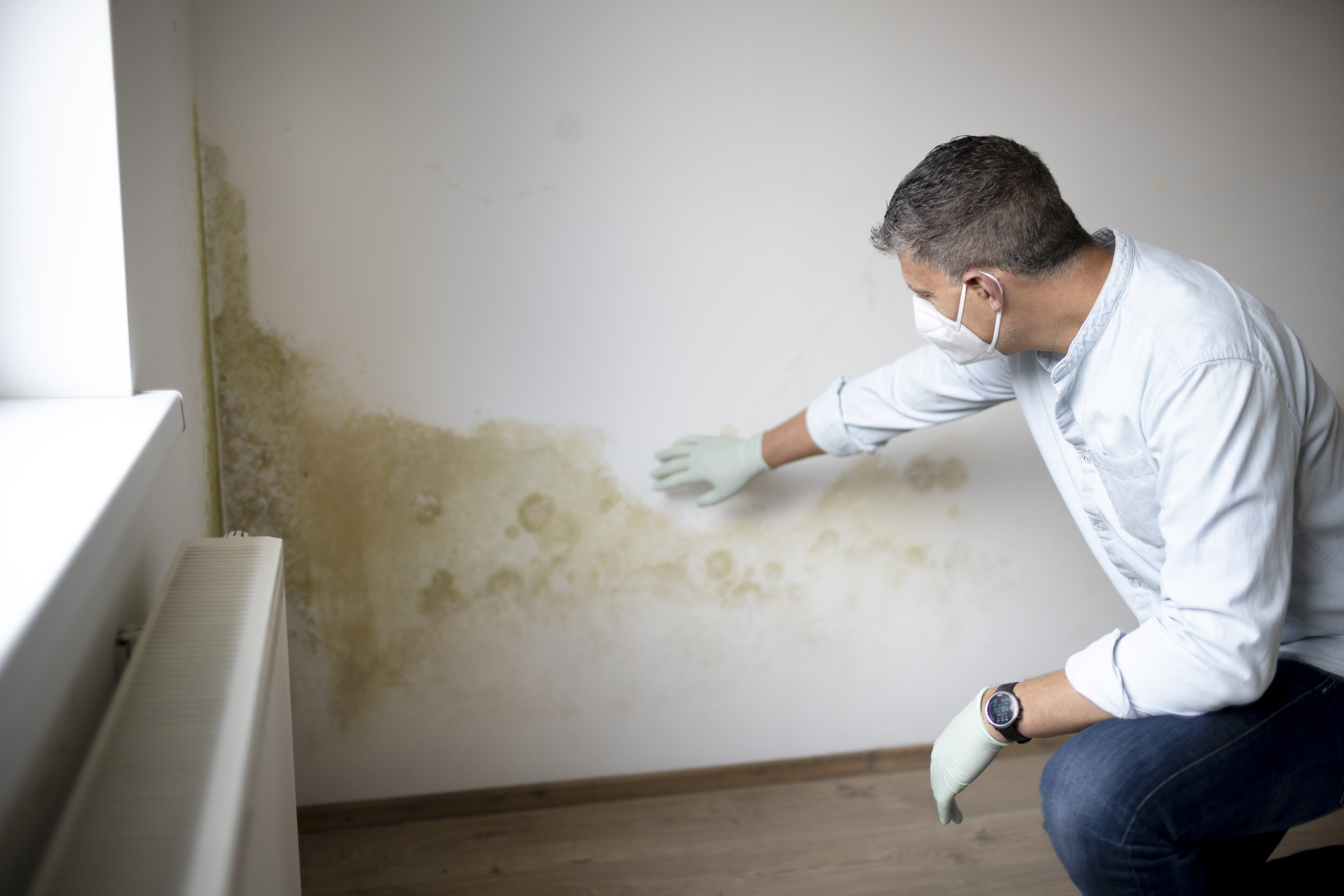
Unlike visible mold on bathroom tiles, indoor mold inside walls stays out of sight. Mold can grow behind drywall, paneling, and wallpaper, and underneath carpets and pads. The only signs might be:
- Musty odor that won’t go away
- Discoloration or staining on walls
- Peeling or bubbling paint
- Warping of wall surfaces
- Health symptoms that get worse at home
Health Problems Caused by Mold Exposure
The type of mold and the length of exposure both affect how sick you might get. Some people have no reaction at all. Others develop serious respiratory problems.
Common Mold Allergy Symptoms
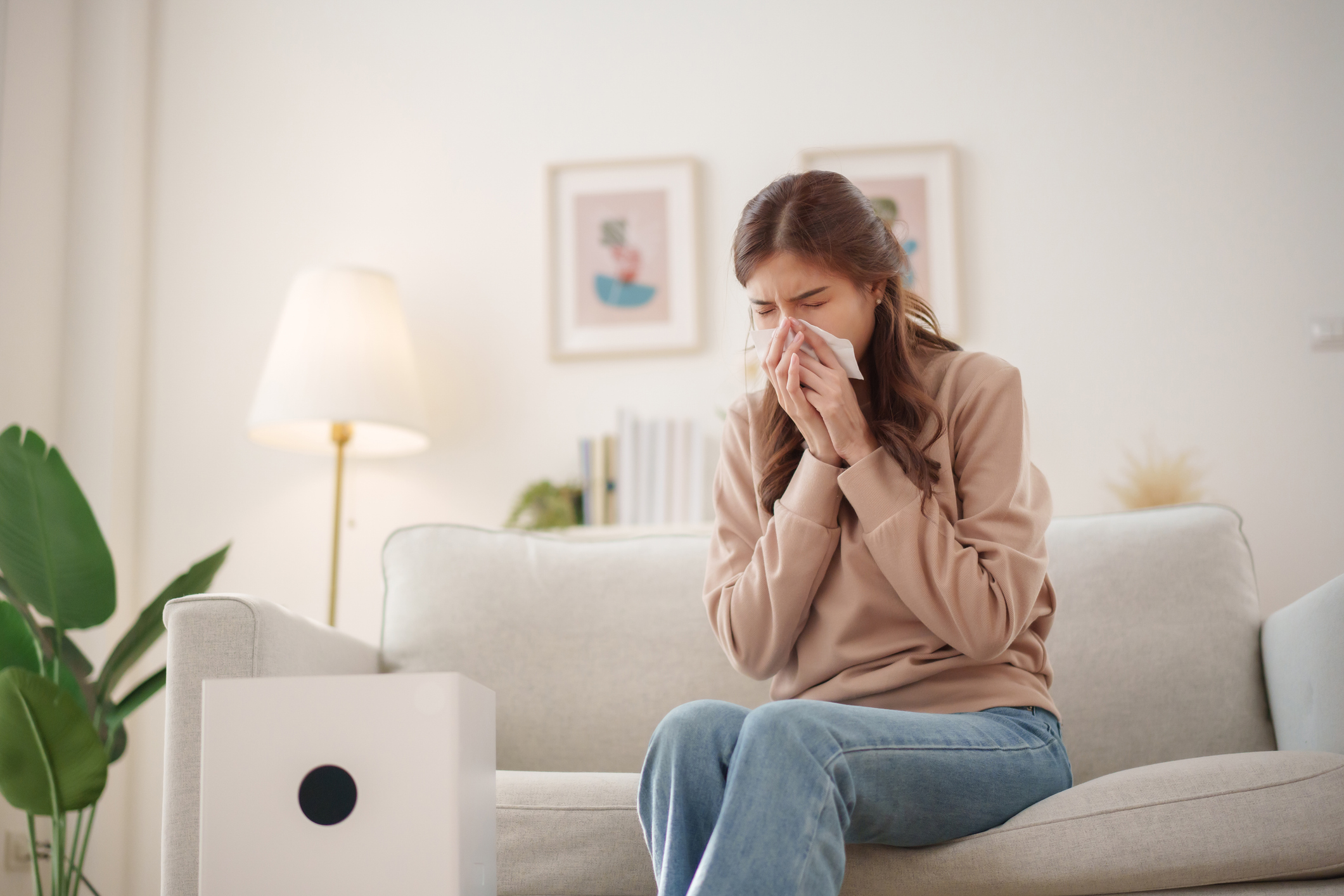
For people sensitive to mold, exposure can trigger symptoms like stuffy nose, wheezing, and red or itchy eyes. These allergic reactions happen when your immune system overreacts to mold spores.
You might experience:
- Runny nose and nasal congestion
- Sneezing and postnasal drip
- Itchy, watery eyes
- Dry, scaly skin or skin rashes
- Scratchy throat
Respiratory Issues
Mold affects your lungs and airways. Research shows that people who spend time in damp buildings report respiratory symptoms and infections, developing or worsening asthma, and allergic rhinitis.
Respiratory symptoms include:
- Persistent coughing
- Difficulty breathing
- Chest tightness
- Wheezing or whistling sounds when breathing
Severe Reactions in High-Risk Groups
Some people face greater health risks from mold exposure:
People with asthma: Exposure to mold in workplaces and homes can make pre-existing asthma worse, and there’s evidence of an association between damp indoor spaces and new-onset asthma.
Those with compromised immune systems: Immune-compromised people and people with chronic lung disease may get infections in their lungs from mold. This includes people undergoing cancer treatment, organ transplant recipients, and those with HIV/AIDS.
Infants and children: Young children exposed to mold have higher risks of developing asthma and respiratory problems during their first year of life.
Signs You Have a Mold Problem
How do you know if mold inside your walls is causing your symptoms?
Warning Signs in Your Home
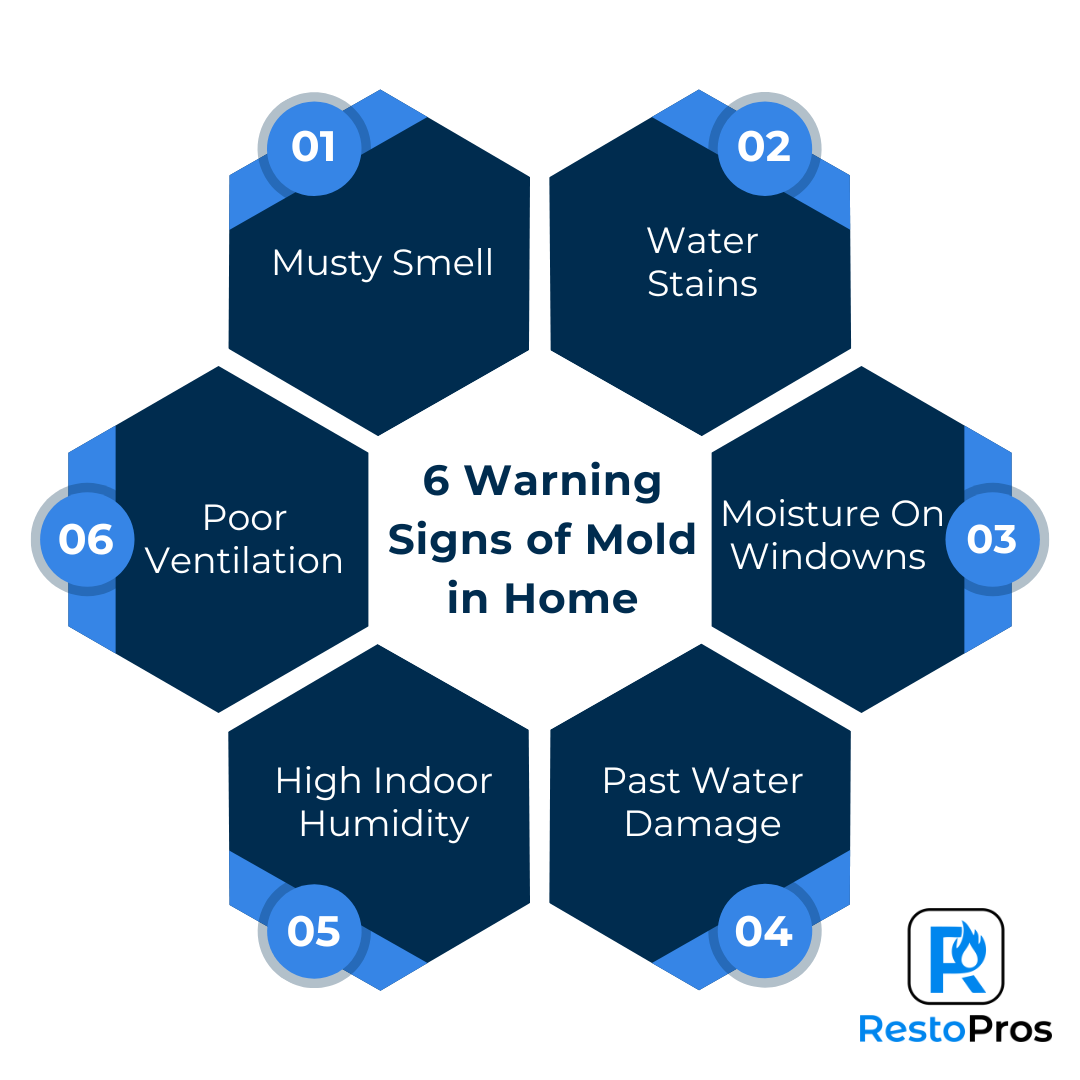
- Musty smell: That earthy, damp odor is often the first clue
- Water stains: Yellow or brown marks on walls and ceilings
- Condensation: Excessive moisture on windows
- Past water damage: Previous leaks or flooding
- High indoor humidity: Humidity levels above 60%
- Poor ventilation: Bathrooms and kitchens without exhaust fans
Warning Signs in Your Health
Watch for health concerns that improve when you leave home and return when you come back. This pattern suggests your home environment is the problem.
Pay attention if:
- Allergy symptoms persist year-round
- Asthma symptoms worsen at home
- Multiple family members develop respiratory issues
- You feel better at work or on vacation
When to Call a Professional
Small patches of visible mold on non-porous surfaces can often be cleaned yourself. For moldy areas less than 10 square feet, you can typically handle cleanup following EPA guidelines.
But hidden mold inside walls requires professional help.
Contact a Mold Inspector When:
- You smell mold but can’t find the source
- Mold covers more than 10 square feet
- Water damage affected structural materials
- You have health problems you suspect are mold-related
- Previous water damage wasn’t properly dried
A qualified mold inspector can:
- Locate hidden mold with moisture meters and thermal imaging
- Identify the moisture source causing the problem
- Assess the extent of contamination
- Recommend proper mold remediation steps
Why Proper Mold Remediation Matters
Mold remediation isn’t just scrubbing away visible growth. Professionals use protective gear, containment systems, and HEPA filtration to prevent spreading mold spores during removal.
They also address the root cause. If you clean up the mold but don’t fix the water problem, the mold will most likely return.
Preventing Mold in Your Home
The best defense against mold is controlling moisture.
Stop Moisture at the Source
- Fix leaky pipes and roofs immediately
- Repair foundation cracks that let water in
- Clean gutters and downspouts regularly
- Slope soil away from your foundation
- Use exhaust fans in bathrooms and kitchens
Control Indoor Humidity
Keep indoor humidity below 60%, ideally between 30-50%. You can:
- Run dehumidifiers in damp areas
- Use your air conditioner during humid months
- Vent moisture-generating appliances outside
- Open windows when weather permits
Act Fast After Water Damage
Dry wet or damp materials and areas within 24-48 hours after a leak or spill to prevent mold growth in most cases. Call professionals immediately after flooding or major leaks.
Remove and replace water-damaged porous materials like:
- Ceiling tiles
- Drywall and insulation
- Carpeting and padding
- Upholstered furniture
Hard surfaces like tile and glass can be cleaned and dried.
RestoPros Understands Mold Health Concerns
RestoPros knows the stress of discovering mold in your home. Your family’s health comes first, and the longer mold grows, the more damage it causes to both your well-being and your property.
Our certified team provides thorough mold remediation services that go beyond surface cleaning. We locate hidden moisture sources, contain affected areas to prevent cross-contamination, remove all mold growth using professional-grade equipment, and restore your home to safe, healthy conditions.
We also handle insurance documentation and work directly with your provider to make the process easier during an already stressful time.
Don’t let mold inside your walls continue affecting your health. Contact RestoPros today for a professional inspection. Our 24/7 emergency response means we’re ready when you need us most. Protect your family and your home. Act now.