Blog
The Long-Term Effects of Breathing in Mold: Health Risks You Should Know
The Short Answer: Chronic exposure to mold spores can lead to ongoing respiratory symptoms, weakened immune system function, and worsening health conditions over time. The best way to protect your health from these long-term effects is to address mold growth quickly before prolonged exposure occurs.
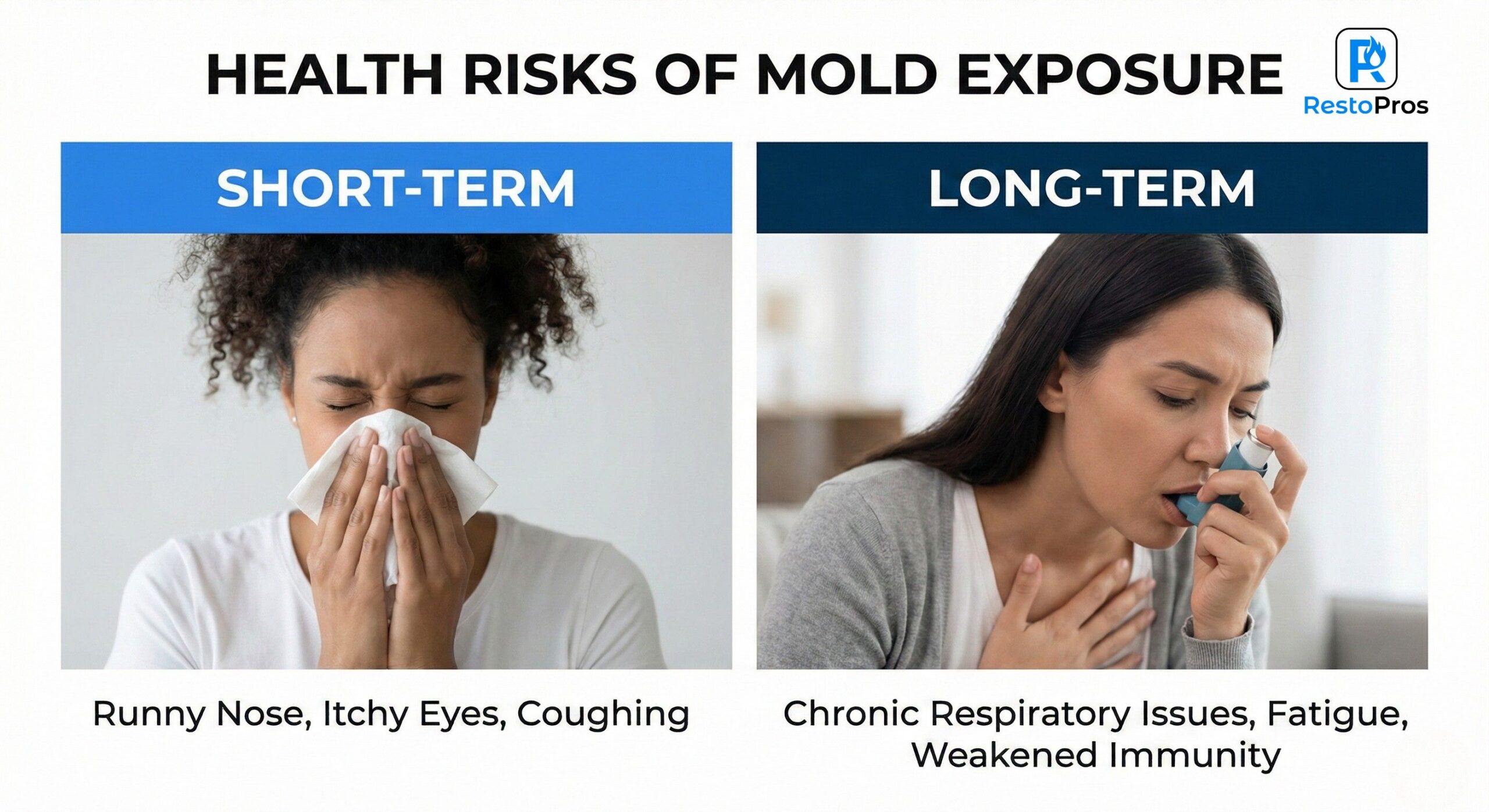
Mold grows in homes and buildings, often hidden behind walls, under flooring, or in areas affected by water damage. When left untreated, mold releases spores and volatile organic compounds into the air you breathe every day. While short-term mold exposure may cause temporary symptoms like a runny nose or itchy eyes, chronic exposure can lead to more serious and lasting health problems.
This guide explains why addressing mold growth quickly matters for your long-term health. The focus here is on prevention and early action, because the best way to avoid the adverse health effects of mold is to remove it before prolonged exposure becomes a problem.
Why Mold Grows in Homes
Mold spores exist naturally in outdoor and indoor spaces. They become a problem when they land on surfaces with excessive moisture and begin to multiply. According to the EPA, mold can begin growing within 24 to 48 hours after water exposure.
Common Causes of Indoor Mold Growth
- Water damage from flooding, leaks, or burst pipes
- High humidity levels in bathrooms, basements, and crawl spaces
- Poor ventilation in indoor spaces
- Condensation on windows, pipes, and walls
- Roof leaks or foundation moisture problems
Black mold (Stachybotrys chartarum) and other mold species thrive in these damp conditions. Once established, mold colonies release thousands of spores into the air, spreading to other areas of your home through air ducts and natural air movement.
Who Faces Higher Risk from Mold Exposure
Not everyone reacts to mold the same way. Some people experience immediate allergic reactions, while others may not notice symptoms until after months of chronic exposure. Certain groups face higher risk for health effects from mold.

Higher Risk Groups
- Young children with developing immune systems
- Older adults with age-related health conditions
- People with existing mold allergy or asthma symptoms
- Individuals with a weakened immune system
- Those with chronic lung disease or respiratory issues
For these groups, even brief mold exposure can trigger severe reactions. Long-term exposure increases the likelihood of developing lasting health problems.
Health Effects of Mold Exposure
When you breathe in mold spores, your body’s immune system responds to the foreign particles. For most people, this causes mild symptoms. However, chronic exposure can overwhelm your body’s defenses and lead to more serious health conditions.
Common Symptoms of Mold Exposure
- Runny nose and nasal congestion
- Itchy eyes, watery eyes, and eye irritation
- Skin irritation and rashes
- Coughing and throat irritation
- Sneezing and allergic reaction symptoms
Respiratory Issues from Prolonged Exposure
Breathing in mold over weeks or months can lead to more significant respiratory symptoms:
- Difficulty breathing and shortness of breath
- Worsening asthma symptoms and increased attacks
- Chronic coughing and wheezing
- Sinus infections and congestion
Serious Health Conditions
In severe cases, long-term mold exposure has been associated with:
- Hypersensitivity pneumonitis (inflammation of lung tissue)
- Chronic fatigue and ongoing weakness
- Recurring respiratory infections
- Worsening of existing lung disease
The CDC notes that mold exposure can cause health problems in susceptible individuals regardless of the type of mold present. Some molds also produce toxic substances called mycotoxins, though research on their effects on human health continues.
Why Early Mold Removal Matters
The connection between mold and health problems highlights why quick action matters. The longer mold grows in your home, the more spores you breathe in. This extended exposure period is what leads to the most serious long-term health effects.
The 24-48 Hour Window
After water damage or moisture problems occur, you have a brief window to prevent mold growth entirely. The EPA recommends drying water-damaged areas within 24 to 48 hours to stop mold before it starts. Once this window passes, mold colonies can establish and begin releasing spores into your indoor air.
Hidden Mold Problems
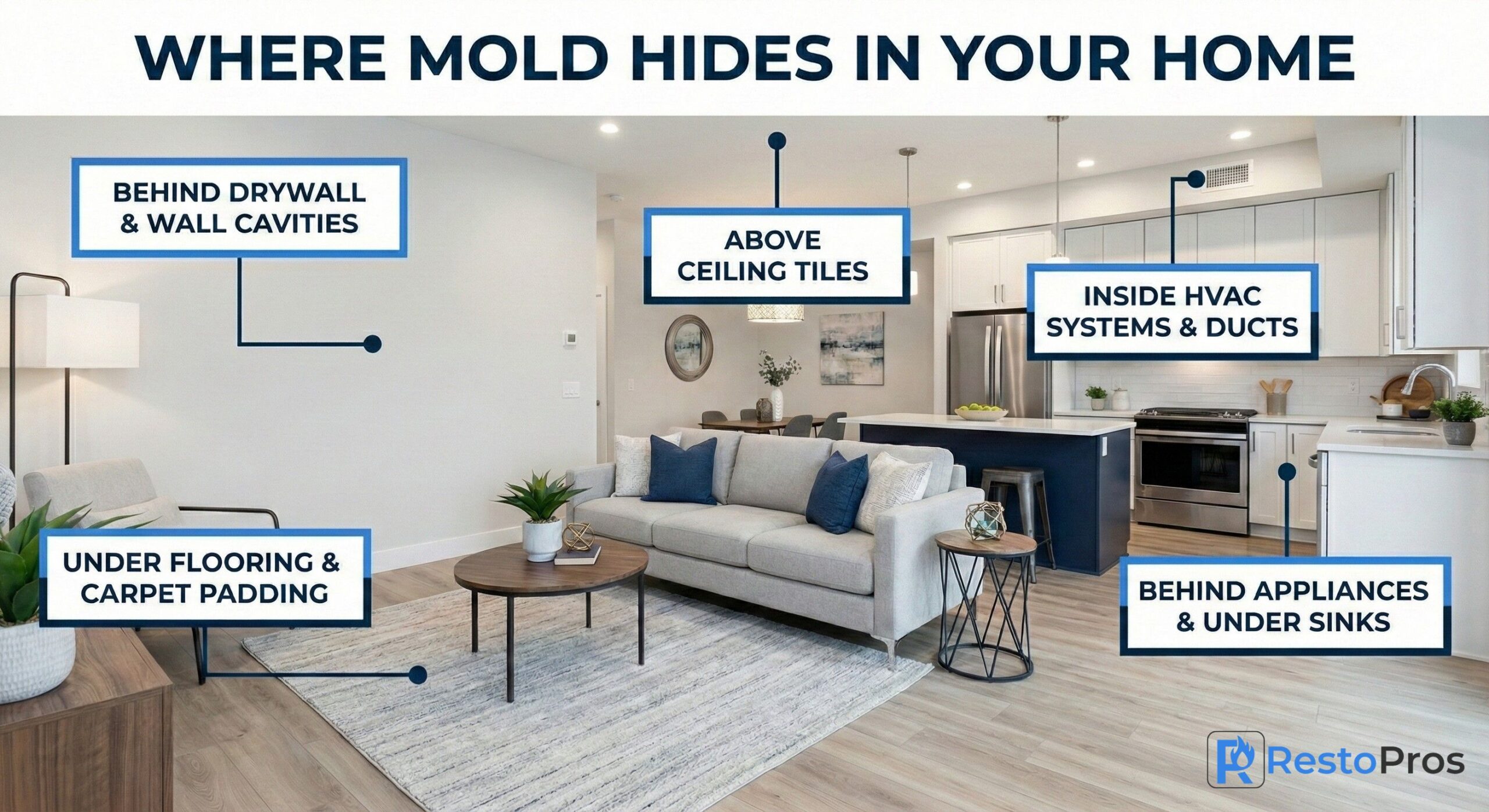
Mold often grows in places you cannot see:
- Inside wall cavities behind drywall
- Under flooring and carpet padding
- Above ceiling tiles
- Inside air ducts and HVAC systems
- Behind appliances and under sinks
By the time you notice a musty smell or visible mold growth, the problem has often spread far beyond what you can see. This hidden mold continues releasing spores into your breathing air, extending your exposure without your knowledge.
Signs You May Have a Mold Problem
Recognizing mold early helps you take action before long-term exposure occurs. Watch for these warning signs in your home:
Visual and Smell Indicators
- Dark spots or discoloration on walls, ceilings, or floors
- Musty, earthy odors in certain rooms or areas
- Peeling paint or wallpaper
- Warped or buckled flooring
Physical Symptoms
- Symptoms that improve when you leave the building
- Symptoms that worsen in certain rooms
- New or worsening allergic reactions at home
- Respiratory symptoms that started after water damage
If you or family members experience ongoing symptoms that seem connected to time spent at home, mold could be the cause.
The Limitations of DIY Mold Removal
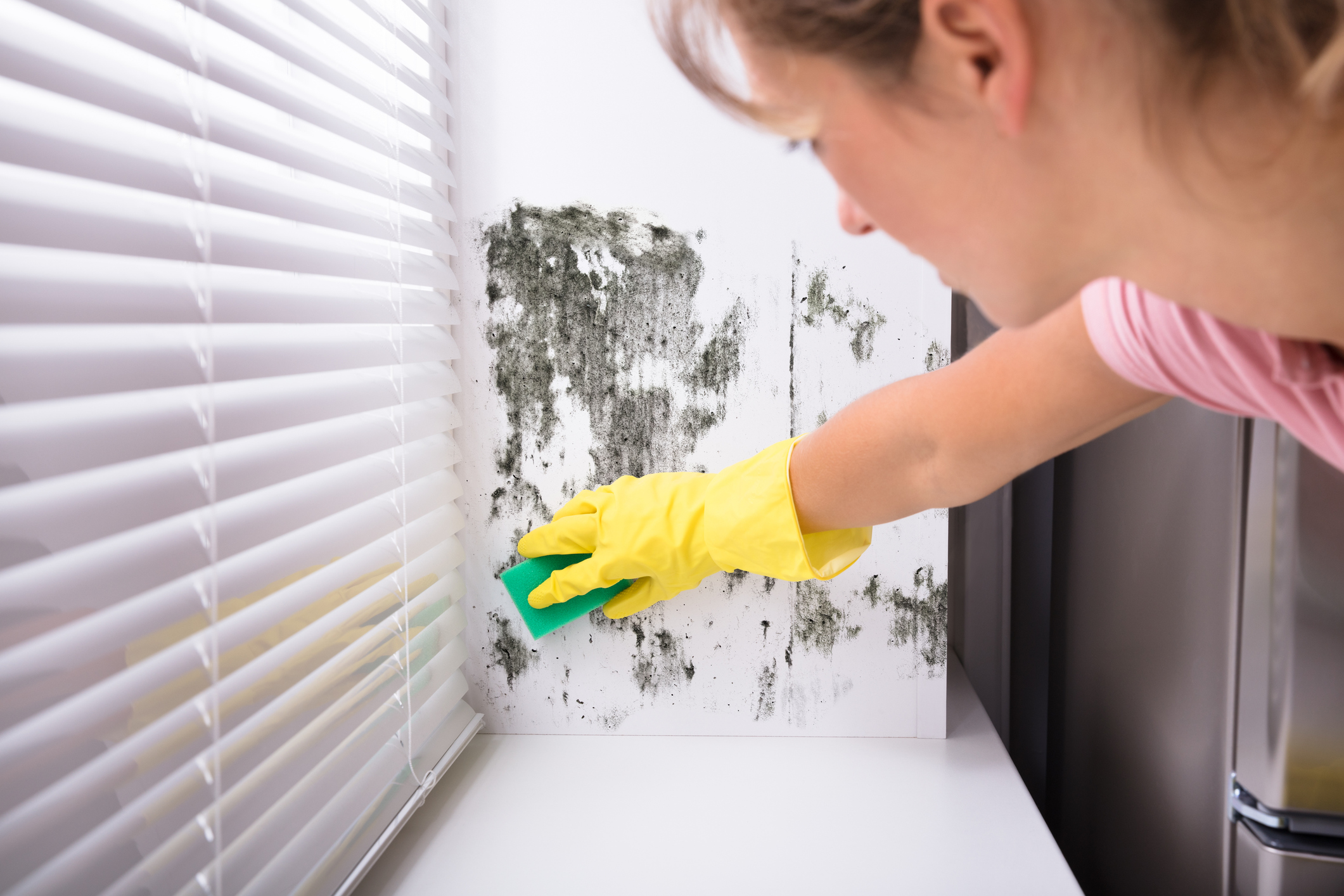
Many people attempt to clean mold themselves using a bleach solution or household products. While this may address small surface mold on non-porous materials, it often fails to solve the underlying problem.
Why DIY Approaches Fall Short
- Surface cleaning does not address mold inside walls or materials
- Disturbing mold can release more spores into the air
- Without proper containment, cleaning spreads mold to other areas
- Moisture sources may remain, allowing mold to return
- Hidden mold growth continues releasing spores
Professional mold testing and inspection can identify the full extent of mold contamination, including growth you cannot see. This complete picture is necessary for effective removal.
Protect Your Health with Professional Mold Remediation
The long-term effects of breathing in mold are preventable. By addressing mold growth quickly and completely, you can protect yourself and your family from chronic exposure and its associated health problems. Waiting to address mold allows it to spread further, releases more spores into your breathing air, and extends your exposure period.
RestoPros provides professional mold remediation services designed to locate and remove mold completely. Our certified technicians use advanced equipment to identify hidden mold, contain affected areas to prevent spread, and remove contaminated materials safely. We address the moisture source to prevent future mold growth and restore your indoor air quality.
Don’t wait until mold exposure affects your health. Contact RestoPros for a professional mold inspection. Our team is available 24/7 to help you address mold problems before they become health problems.