Blog
DIY Mold Removal: Should You Do It or Hire a Pro?
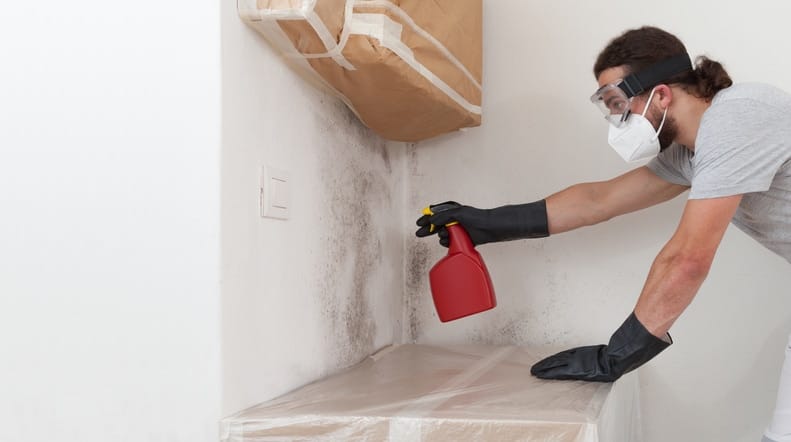
The Short Answer: DIY mold removal treats what you can see while leaving mold spores and the moisture feeding them in place, which is why the growth usually returns. Professional mold remediation removes the mold, contains the spores, and corrects the water source so the problem stops repeating.
Finding mold on a wall, a ceiling, or the back of a cabinet puts most people in the same position. You want it gone today, and the cleaning supplies under the sink are right there. A spray bottle and twenty minutes of scrubbing feel like a reasonable answer to a small problem. The trouble is that what you see on the surface is rarely the whole mold problem. Mold grows into porous materials, spreads through the air, and keeps returning as long as the underlying moisture problem goes unaddressed.
Why Mold Keeps Coming Back
Mold wants three things: moisture, something organic to eat, and time. A house or building offers all three without much trouble.
The Water Problem
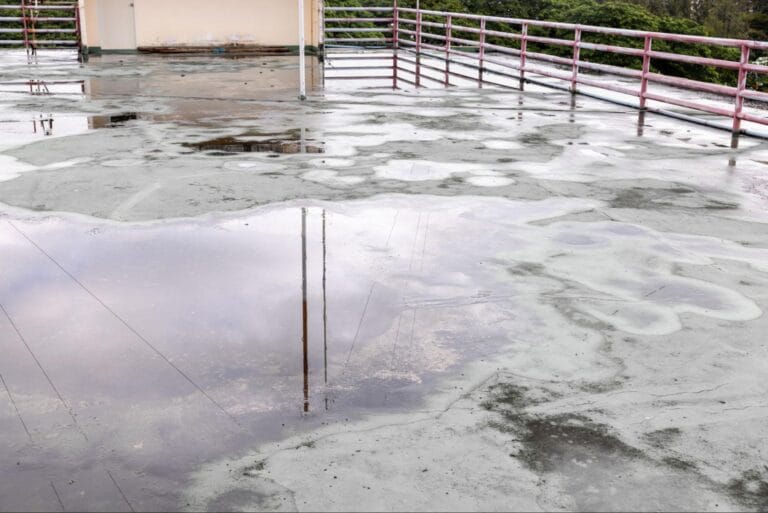
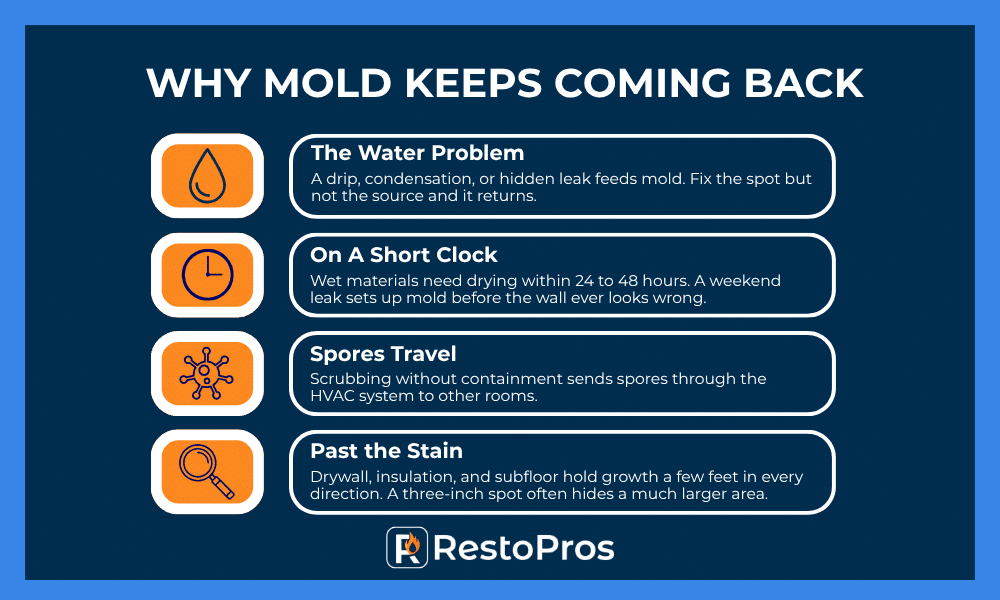
No mold problem starts with the mold. It starts with water. A drip under a vanity, condensation on cold pipes, a roof leak that only shows in heavy rain, a summer’s worth of high humidity. Clean the moldy area but leave that source, and the growth is back in the same spot within weeks.
Water Damage Starts a Short Clock
You have less time than you would think. Water-damaged areas and materials should be dried within 24 to 48 hours to help prevent mold growth. A leak that sat over a weekend has already done the setup work, even when the wall still looks fine. Clean water counts too. Sanitary water from a broken supply line soaks into drywall and subfloor exactly like anything else.
Spores Travel
Mold reproduces by releasing spores into the air. Scrub a moldy surface with no containment and you launch those spores into the next room, where they settle onto anything damp and start over. An HVAC system will carry them across a whole floor in minutes.
The Damage Reaches Past the Stain
What you see is usually just the beginning. Porous materials hold water and mold well past the visible mark, and drywall, insulation, subfloor, and cabinet backing can carry growth a few feet in every direction. That tidy three-inch spot on the wall often has a much larger affected area sitting behind it.
Where DIY Mold Removal Comes With Risk
Store cleaning supplies are made to wipe down clean surfaces. Remediation is a different job, which is why so many mold issues come right back after a weekend of scrubbing.
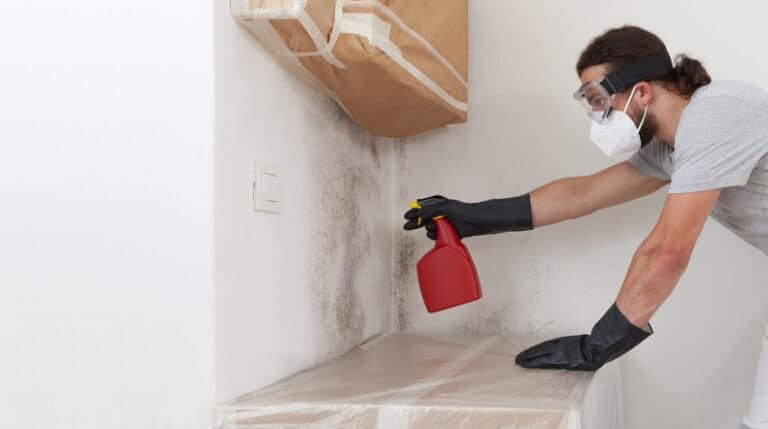
- A cleaning solution from a spray bottle sits on top of the material and never touches the mold rooted inside drywall or framing
- With no barriers and no negative air pressure, disturbing a moldy area can scatter spores across the property and grows the problem
- Wiping the surface does nothing about the leak or humidity underneath, so the same conditions rebuild the same colony
- Gloves and a dust mask are no match for the respirators, suits, and eye protection technicians wear as standard safety precautions around moldy materials
- Extensive damage tucked inside a wall or above a ceiling never turns up with a sponge and a flashlight
When mold growth covers more than about 10 square feet, or when there has been significant water damage, the work calls for professional remediation standards rather than household cleanup. Professional mold removal is the safer alternative for anything past a small, isolated spot, and it is the only approach that addresses the cause along with the growth.
Health Concerns Worth Taking Seriously
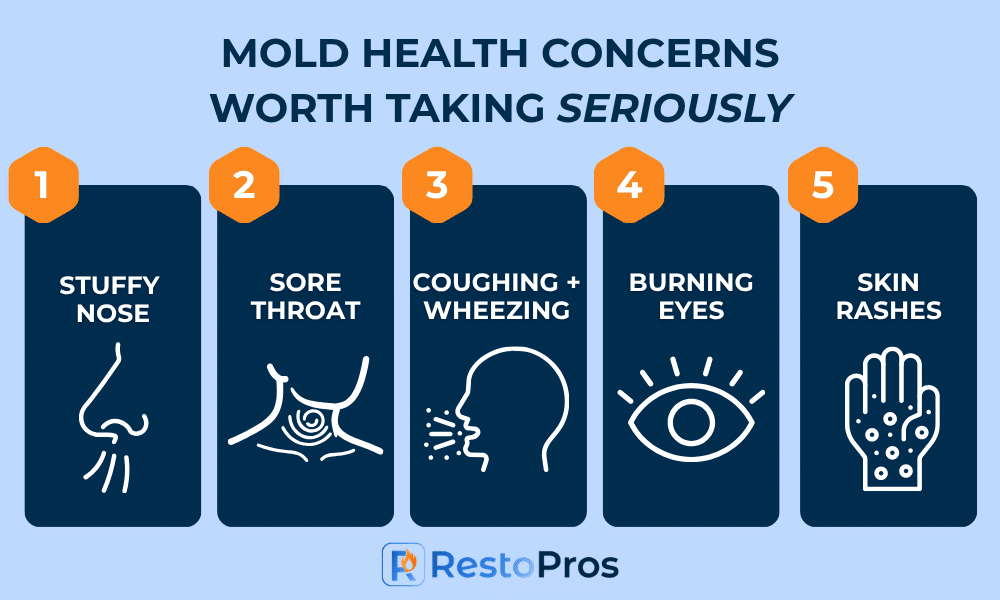
Reactions to mold exposure vary widely from person to person. Mold can cause a stuffy nose, sore throat, coughing or wheezing, burning eyes, or skin rash. For someone with asthma or a mold allergy, the allergic reactions can turn severe, and people with weakened immune systems or chronic lung conditions face a higher risk of infection.
Pay attention to patterns. Respiratory issues that fade when you leave the house and flare when you walk back in are telling you something. So is a musty smell with nothing visible to explain it, which usually means mold is working away somewhere out of sight.
How RestoPros Handles Professional Mold Remediation
Our technicians are IICRC-certified and follow recognized industry standards for restoration work. Here is what the process looks like from the first call through the final repair.
- Call and consultation: Reach out the moment you suspect mold, whether you can see it or only smell it. We ask a few questions, tell you what to avoid disturbing in the meantime, and get a technician scheduled quickly. Our teams answer 24 hours a day, seven days a week.
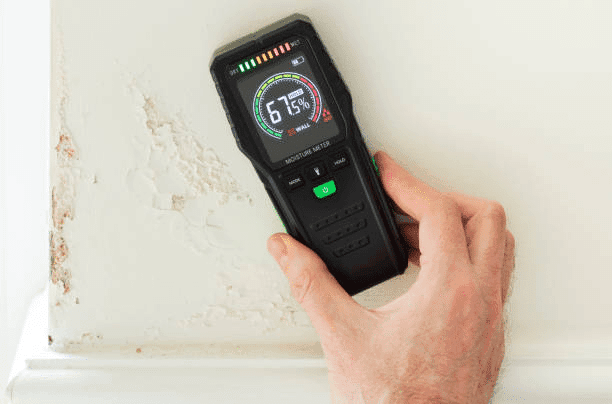
- Inspection and moisture mapping: Technicians use moisture meters, thermal imaging, and air quality testing to map every affected area, including hidden mold growth behind walls, under flooring, and inside the HVAC system. We scope the full problem before building a plan.
- Containment and mold removal: We install containment barriers to isolate the work zone and keep mold spores from spreading. Then we use specialized equipment such as HEPA air scrubbers and commercial vacuums, along with full protective gear, to remove mold from all moldy surfaces and discard porous materials that cannot be salvaged.
- Antimicrobial treatment and restoration: After removal, an antimicrobial application treats the remaining hard surfaces to prevent regrowth. Our restoration and rebuild team then replaces building materials, repairs damaged areas, and corrects the moisture source that started the growth.
Every step is documented. If your mold damage traces back to a covered event such as water damage or a storm, we coordinate directly with your adjuster and handle the insurance paperwork alongside the remediation work.
Keeping Moisture Under Control Afterward
Once the mold is gone and the area is dry, the job becomes moisture management.
Watch the Humidity Number
Humidity should stay below 60 percent, ideally between 30 and 50 percent. A cheap humidity gauge tells you whether a room is actually drying out or just holding water in the air.
Move Damp Air Outside
Bath and kitchen fans should run 20 to 30 minutes after use, and they need to vent outdoors. A fan discharging into an attic relocates the moisture problem instead of solving it.
Address Small Leaks the Week You Find Them
A slow drip is a mold problem waiting to start. Handling it promptly keeps a minor repair from turning into structural damage and a much larger remediation project.
Call Fast After Any Water Event
An overflowing tub, a failed appliance hose, or a storm intrusion gives you a narrow window. Professional drying inside that window is what keeps a wet floor from becoming a mold infestation.
Get Ahead of the Mold Problem
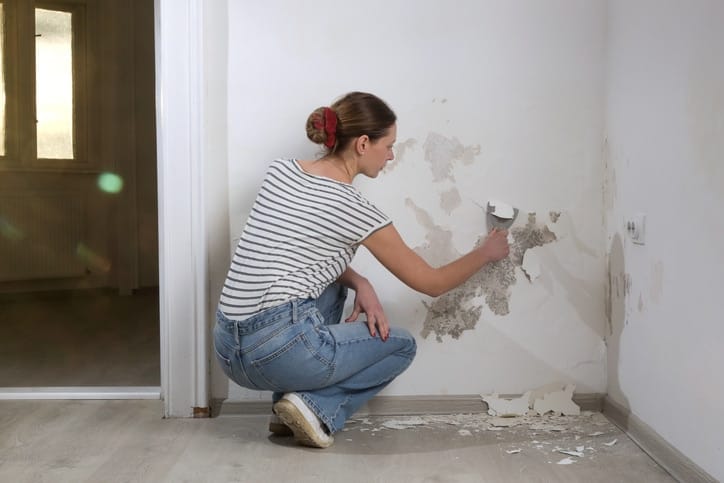
Mold on a surface is a moisture problem you can finally see. Clean the spot but skip the source and the cycle just resets, and every round of DIY mold removal risks driving spores deeper into the property while the damage behind the wall keeps growing.
RestoPros finds the source, contains the affected area, removes the mold with professional equipment, and rebuilds whatever has to go. We have done this for thousands of homeowners, property managers, and business owners since 2018, and we answer to you, not your insurance company.
Seeing growth, catching a musty smell, or sitting on water damage that never fully dried? Handling it now costs less than remediation later. Contact RestoPros day or night, or find your nearest location to book a mold remediation inspection.
Frequently Asked Questions
It depends on the cause. Policies commonly cover mold remediation when the growth results from a sudden covered event such as a burst pipe or storm damage. Mold traced to a long-term maintenance issue is usually excluded. RestoPros documents the cause and the scope, coordinates with your adjuster, and helps you work through the claim.
Most residential projects run three to five days, covering containment setup, removal, drying, and clearance. Larger jobs involving several rooms, growth inside wall cavities, or reconstruction take longer. Your technician gives you a timeline after the inspection rather than a guess over the phone.
Sampling is generally unnecessary when mold is already visible, because the response is the same either way. Testing is more useful for confirming suspected hidden growth or verifying that an area was cleaned properly. Our inspection includes moisture readings and air quality testing where it adds value to the plan.
No. Paint traps mold against the material and hides it without stopping it. The growth continues feeding on the substrate underneath and will eventually bleed through or spread into adjacent framing. Removal has to happen before any surface is refinished.
Usually not. Containment barriers and negative air pressure keep the work zone isolated from the rest of the property, so most households stay put. Larger projects, work involving the HVAC system, or a household member with significant health concerns can change that. We tell you before work begins rather than partway through.