
The Short Answer: Basement flood repair costs typically range from $3,000 to $12,000, with the final price depending on the extent of water damage, contamination level, and volume of the flooded basement. Professional water damage restoration includes water removal, drying, cleaning, sanitizing, and repairs to restore your basement to its pre-flood condition.
When basement flooding occurs, understanding the repair costs helps you make informed decisions about restoration. The final price of professional basement flood cleanup varies based on several factors: the amount of excess water, how long the water has been present, the type of water (clean water, gray, or black water), and the extent of damage to walls, flooring, and belongings.
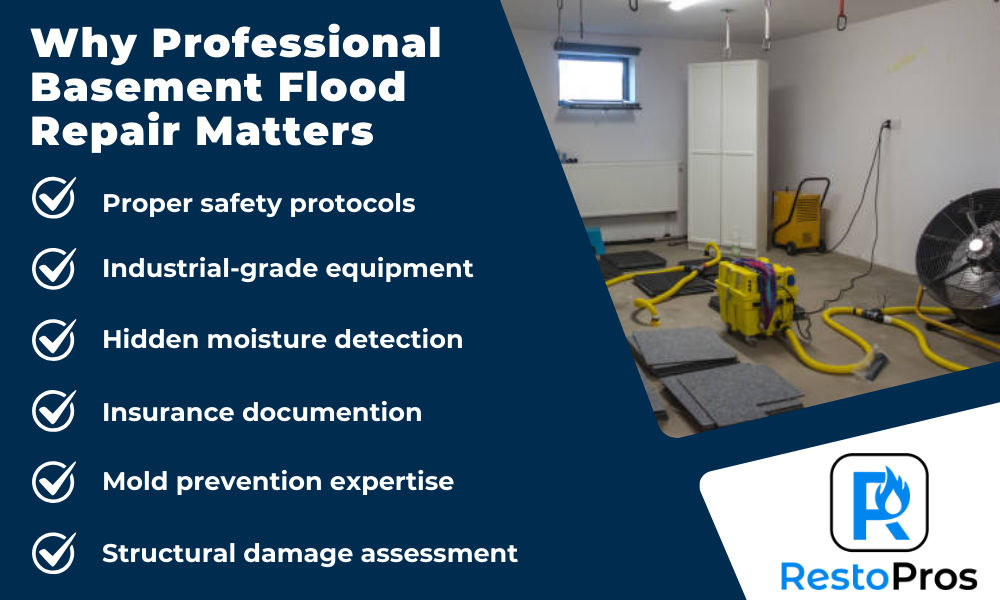
Professional water damage restoration involves multiple stages, from initial water extraction through the drying process and repairs. The process requires specialized equipment like industrial dehumidifiers, air movers, and moisture meters to properly dry affected areas and prevent secondary issues like mold growth. While the upfront cost of professional restoration may seem significant, taking immediate action protects your property’s value and prevents costly repairs down the road.
A professional restoration team brings the expertise to handle the complexities of basement flooding repair, from proper antimicrobial treatments to insurance coverage documentation. They work efficiently to minimize further damage and restore your basement quickly, while following industry standards that ensure the space is truly safe and dry.
Key Cost-Driving Factors
Primary Factors
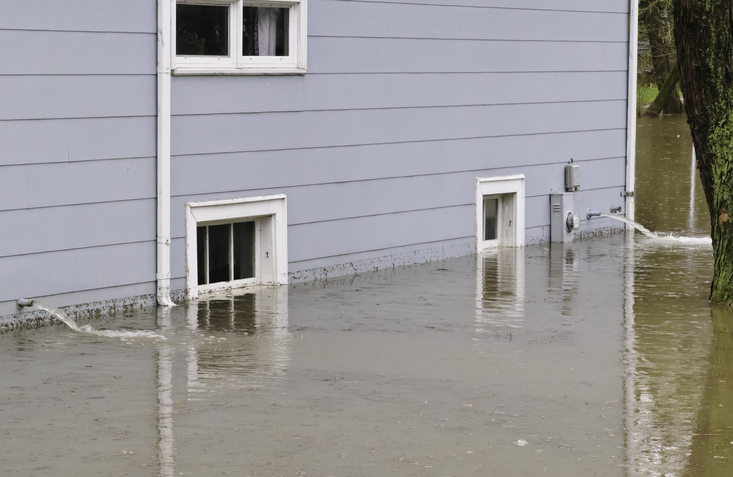
The cost of basement flood repair depends heavily on several main factors that shape the scope of work needed. The severity of water damage plays a major role. Deeper basement flooding and longer water exposure typically lead to more extensive repairs. The type of water involved also affects repair costs significantly. Clean water from burst pipe incidents requires different treatment than contaminated gray water from appliances or black water containing sewage.
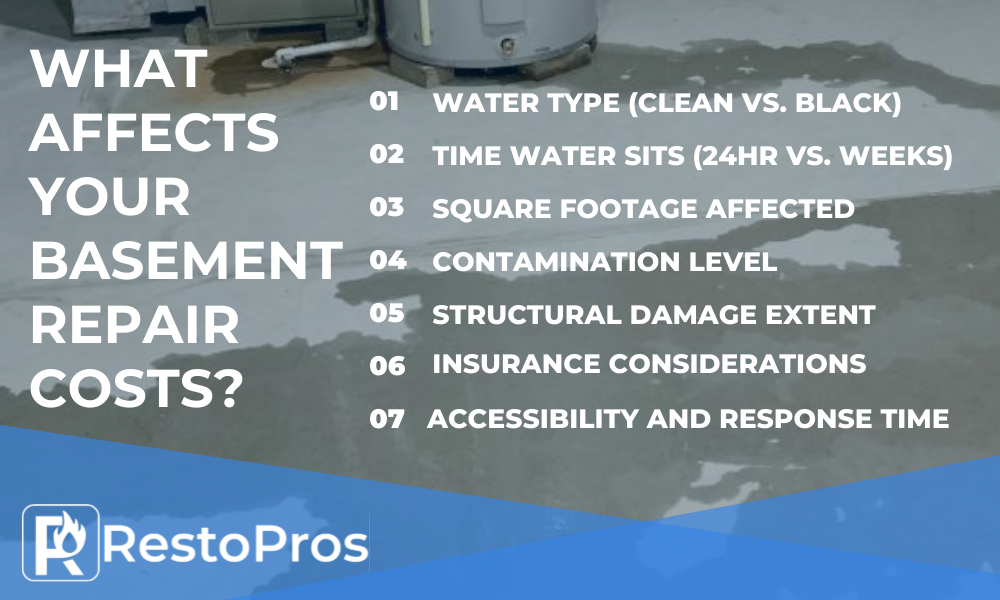
Key factors affecting basement repair costs include:
- Size of the affected area in square foot measurements
- Water contamination level (clean water vs. black water)
- Duration of water exposure in the flooded basement
- Extent of structural damage to foundation walls
- Presence of mold growth requiring mold remediation
The size of the affected area naturally influences the total cost, as larger basement spaces need more equipment, materials, and labor hours for proper restoration. Immediate action can help control costs by limiting water absorption into building materials and preventing secondary issues like mold growth.
Secondary Factors
Beyond the primary concerns, several other elements affect the final cost of basement flooding repair. Property accessibility can impact equipment transportation and setup time. Flooded basements with limited entry points or tight spaces may require specialized approaches. Emergency service calls during nights, weekends, or holidays often carry premium rates due to staffing requirements. However, delays of just 24-48 hours can lead to mold growth and further structural damage, making fast service a priority worth spending on.
Additional cost factors include:
- Age and condition of the home (older homes may have additional complications)
- Basement waterproofing needs and drainage system repairs
- Sump pump failure or need for sump pump installation
- Foundation cracks requiring structural repairs
- Hatchway doors and access point damage
The specific equipment and technology needed for proper drying process also shapes costs. Professional-grade water extractors, industrial air movers, dehumidifiers, and moisture meters are standard for thorough water damage restoration. Labor rates vary by region, with urban areas typically having higher average cost than surrounding areas. Professional restoration companies factor in trained technician time, specialized equipment operation, and proper safety protocols when calculating labor expenses.
Working with qualified restoration professionals helps manage these cost factors through accurate assessment, efficient planning, and proper execution of the flood damage repair process. Their expertise ensures the work addresses both immediate damage and potential long-term damage.
Additional Cost Considerations
Special Services
Basement flood cleanup often involves specialized services beyond basic water damage removal. Mold remediation becomes necessary when flooding creates damp conditions that lead to mold growth within 24-48 hours. Professional mold treatment requires special equipment and techniques to remove affected areas and prevent future flooding issues.
Specialized restoration services may include:
- Structural drying for wall cavities and subflooring
- Antimicrobial treatments for contaminated areas
- Sewer backup cleanup requiring special protocols
- Backwater valve installation to prevent future flooding
- Professional sanitization of the affected area
Structural drying services use industrial dehumidifiers and air movers to thoroughly dry wall cavities, subflooring, and other hidden spaces. This drying process can take several days but prevents warping, deterioration, and secondary water damage that could compromise your basement’s structure.
Professional sanitization addresses contamination from flooded basement conditions, which may contain bacteria and other harmful substances. This process involves antimicrobial treatments and specialized cleaning methods to make the affected area safe for occupancy again.
Property-Specific Costs
The materials affected by basement flooding play a major role in repair costs. Porous materials like drywall and insulation typically require replacement, while solid surfaces might only need cleaning and drying. Hardwood floors in a finished basement may show signs of buckling or cupping, requiring professional restoration or replacement.
Common property-specific expenses include:
- Finished basement restoration (higher costs than unfinished basements)
- Content restoration for furniture and personal belongings
- Dry vacuum rental or purchase for ongoing maintenance
- Basement cleanup materials and supplies
- Transferable warranty coverage for restoration work
Content restoration addresses flood damage to furniture, carpeting, and personal belongings. Some items can be cleaned and restored, while others may need replacement. Professional restoration companies use specialized techniques to salvage valuable or sentimental items whenever possible.
Structural repairs become necessary when water damage has weakened floor supports, foundation walls, or basement structural elements. This might include replacing damaged floor joists, repairing wall frames, or addressing foundation cracks. These repairs are particularly important where living space has been affected by basement flooding.
Preventive treatments help protect against future flooding. This includes applying water-resistant sealants, installing proper drainage systems, and treating surfaces with antimicrobial products to prevent mold growth. While these treatments add to initial costs, they help prevent recurring problems and additional expenses down the road.

Understanding Price Ranges and Insurance Coverage
Typical Cost Ranges
Basement flood repair costs vary based on the extent of water damage. Minor flooding situations often stay under $3,000, focusing mainly on water extraction and basic drying process. Moderate basement flooding typically ranges from $3,000 to $8,000, involving more extensive drying, cleanup, and possible material replacement. Severe flood damage can exceed $8,000, particularly when structural damage repairs are needed.
Cost breakdown by severity level:
- Minor flood damage: $1,500 – $3,000 (basic water extraction and drying)
- Moderate basement flood: $3,000 – $8,000 (cleanup, drying, some replacement)
- Full-scale basement flood: $8,000 – $15,000+ (extensive restoration and repairs)
- Severe weather damage: Additional costs for emergency services
The final repair costs depend on several factors:
- Amount of excess water
- Time water remained in the basement
- Types of affected areas
- Presence of contamination
- Required restoration steps
Insurance Considerations
Most homeowner insurance policies cover sudden and unexpected water damage from sources like burst pipe incidents or plumbing failure. However, insurance coverage details can differ between policies, and flood insurance may be required for damage from heavy rainfall or severe weather events.
Important insurance coverage factors:
- Standard homeowner’s policies typically exclude flood damage from heavy rains
- Flood insurance through NFIP covers water damage from natural flooding
- Insurance company requirements for documentation and professional assessment
- Claims process timeline and adjuster requirements
Here’s what you should know about the insurance process:
Working with your insurance company starts with proper documentation. Take photos of all damaged areas and items before any basement flood cleanup begins. Keep all receipts related to temporary repairs or emergency services. Professional water damage companies like RestoPros help by:
- Performing detailed damage assessments
- Creating thorough documentation
- Taking moisture readings
- Providing necessary proof of damage
- Working directly with insurance adjusters
The claims process typically follows these steps:
- Contact your insurance company immediately
- Document all damage thoroughly
- Get a professional assessment
- Review coverage with your adjuster
- Obtain approval for necessary repairs
Professional restoration companies experienced in flood insurance claims can make this process smoother. They understand what documentation adjusters need and can help explain technical aspects of the damage and necessary repairs.
When Navigating Basement Floods, RestoPros is Here
When facing flood damage in your basement, the total cost depends on factors like water volume, contamination level, and affected areas. Working with your insurance company is simpler when you document the damage and contact professional water damage restoration services right away. Immediate action prevents additional problems like mold growth and structural damage that can increase repair costs.
Key steps to minimize costs and damage:
- Take immediate action to stop the water source if possible
- Contact professional restoration services within 24 hours
- Document all damage for insurance company claims
- Address sump pump failure or drainage system issues promptly
RestoPros understands the stress of basement flooding and provides complete water damage restoration. Our certified technicians use advanced equipment to extract excess water, dry affected areas, and restore your basement efficiently. We work directly with insurance companies to handle claims smoothly while keeping you informed throughout the drying process.
Available 24/7 for emergencies, our team responds quickly to minimize flood damage and costly repairs. We guide you through each basement flood cleanup step, from initial assessment to final repairs. Don’t let basement flooding overwhelm you. Contact RestoPros for professional water damage restoration services that return your home to normal.