
The Short Answer: Fire damage restoration costs vary widely based on the fire’s severity, typically ranging from a few thousand dollars for minor damage to over $50,000 for extensive structural repairs. Every fire is different, so a professional inspection is needed to determine accurate restoration costs for your specific situation.
A house fire turns your life upside down in minutes. After the fire department leaves and the smoke clears, you face a daunting question: how much will it cost to restore your home?
The truth is that fire damage restoration cost depends on dozens of factors unique to your situation. While general price ranges exist, the only way to get an accurate estimate is through a professional inspection. Understanding what affects these costs helps you prepare for discussions with your insurance company and restoration team.
What Affects Fire Damage Restoration Cost
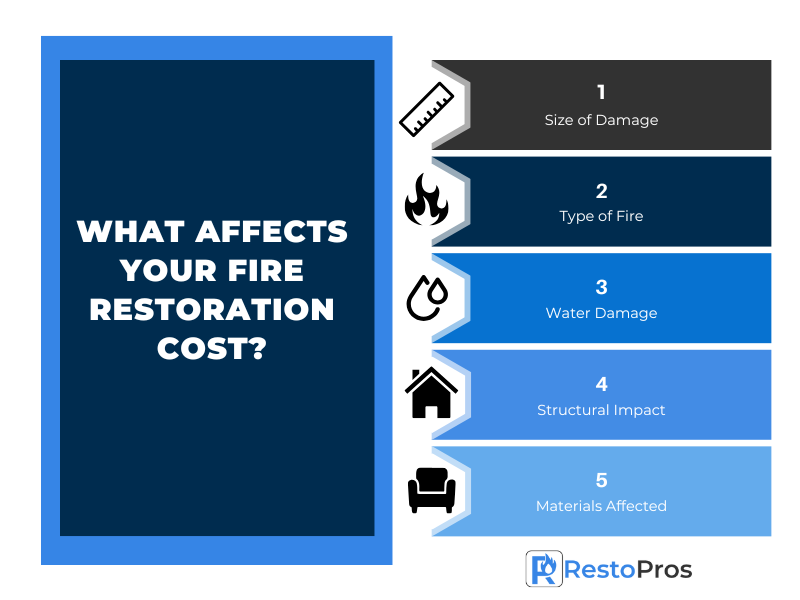
Multiple factors determine how much you’ll pay to restore your home after a fire. No two fires cause identical damage, which means restoration costs vary widely.
Size of the Affected Area
Restoration companies often estimate costs per square foot, but these rates vary based on damage severity. A small kitchen fire affecting one room costs significantly less than a blaze that damages multiple floors.
The size of your home and how much of it was affected both play major roles in your final restoration cost. A localized fire requires targeted cleanup, while a fire that spreads throughout the home needs extensive work.
Type and Severity of Damage
Different types of fire damage require different restoration approaches and budgets:
Minor damage includes smoke odor, light soot on walls, and salvageable belongings. These situations often need cleaning and deodorizing but little structural work. Costs stay on the lower end of the restoration spectrum.
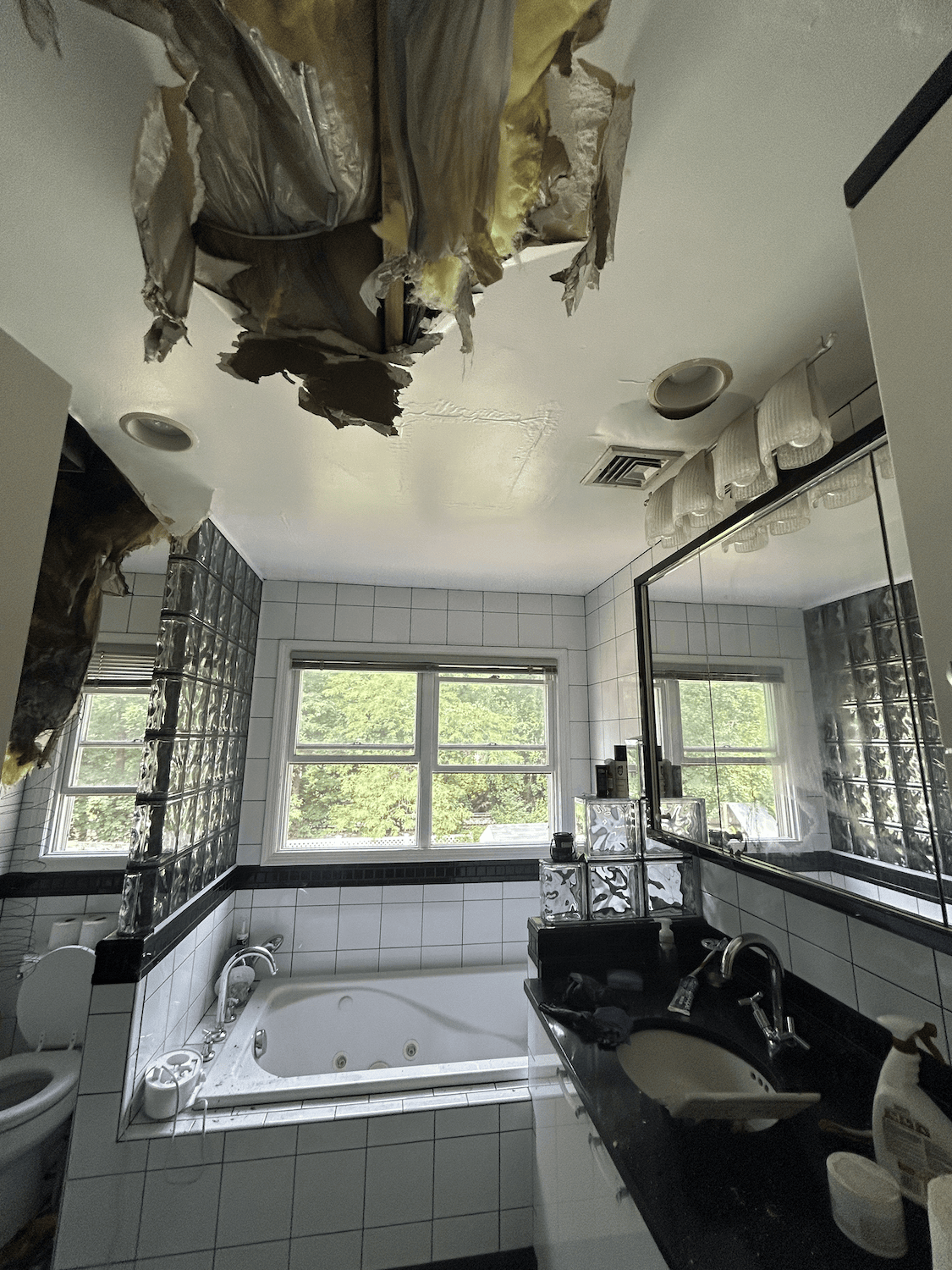
Moderate damage involves smoke damage throughout the home, water damage from firefighting efforts, and some structural repairs. You’ll need professional soot removal, water damage restoration, and targeted rebuilding. Expect mid-range restoration costs.
Extensive damage means structural components like walls, floors, or the roof suffered significant damage. Major structural work drives costs to the higher end of the range and may require permits and engineering assessments.
Type of Fire
The fire’s cause affects cleanup complexity and cost:
Class A fires (ordinary combustibles like wood, paper, textiles) are common and typically less complex to clean.
Class K fires (cooking oils and grease) leave behind oily soot that’s harder to remove, increasing restoration time and costs.
Electrical fires can damage wiring throughout your home, requiring specialized electrical work on top of standard restoration. Chemical fires leave toxic chemicals that need specialized cleaning protocols and safety measures.
Breaking Down Restoration Costs
Let’s look at the specific services you’ll pay for during the restoration process.
Emergency Services
Immediate response protects your property from additional damage. Emergency services typically include:
- Board up and securing windows and doors
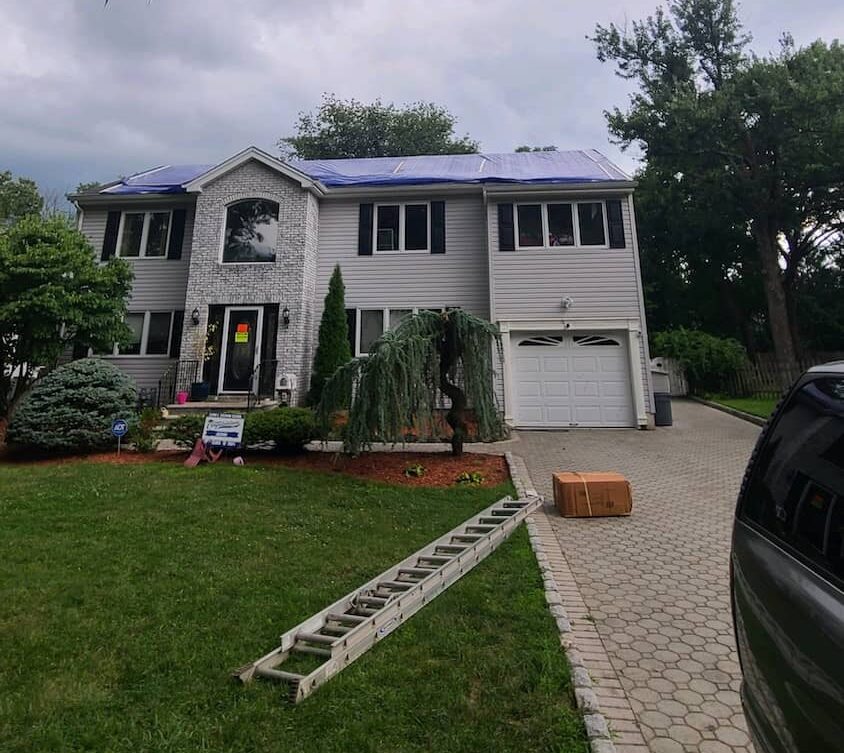
- Tarp installation for roof damage
- Emergency water extraction
These services happen first to prevent weather damage, theft, and further water infiltration. A quick response can significantly reduce your total restoration costs.
Smoke and Soot Removal
Professional smoke removal addresses multiple rooms and uses specialized techniques:
- Soot removal from walls and ceilings
- Air duct cleaning to remove smoke particles
- Deodorizing treatments to eliminate smoke odor
Thermal fogging uses chemical agents to absorb smoke particles in the air and on surfaces. Ozone treatment breaks down odor molecules using high oxygen levels. The method used depends on the severity of smoke damage and the materials affected.
Water Damage Restoration
Firefighting efforts often leave your home saturated. Water damage restoration costs depend on how much water was used and what category of water you’re dealing with:
- Clean water (from fire hoses and sprinklers)
- Gray water (contaminated with cleaning chemicals or debris)
- Black water (sewage contamination, rare but possible)
More contaminated water requires more intensive cleaning and safety protocols. Mold growth can begin within 24 to 48 hours after water damage, making quick action necessary. The longer water sits, the more damage it causes and the higher your restoration costs climb.
Structural Repairs
Fires compromise structural integrity in multiple ways. Repairs might include:
- Foundation assessment and reinforcement
- Wall and ceiling replacement
- Roof repair or replacement
- Flooring replacement
- Support beam evaluation and repair
Heat weakens structural elements like wood beams and metal supports. The extent of structural damage determines whether you need targeted repairs or complete rebuilding of certain areas. Your restoration company will work with structural engineers to assess which components need repair or replacement for safety.
Electrical Systems
Even if the fire wasn’t electrical, heat and water damage wiring, breakers, and junction boxes. Electrical system restoration varies widely based on:
- How much of the system was exposed to heat
- Whether water reached electrical components
- The age and type of wiring in your home
- Local building code requirements
A licensed electrician will inspect all electrical systems before power can be safely restored. Some homes need minor repairs while others require complete rewiring of affected areas.
Personal Property
Fire, smoke, and water damage your belongings. Restoration services can clean:
- Furniture and upholstery
- Clothing and textiles
- Electronics (when salvageable)
- Documents and photographs
Items beyond repair require replacement, which your insurance policy should cover up to your personal property limits.
Getting an Accurate Estimate
Every fire creates unique damage that requires in-person assessment.
What Affects Your Specific Cost
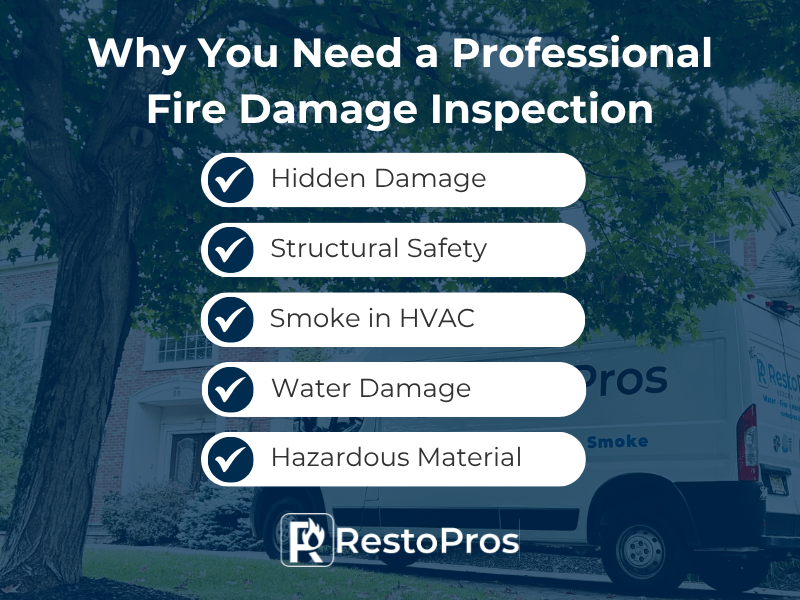
During an inspection, restoration professionals evaluate:
- Total square footage affected by fire, smoke, or water
- Type of materials damaged (drywall, hardwood, carpet, etc.)
- Structural integrity of walls, floors, and roof
- Extent of smoke penetration in HVAC systems
- Presence of hazardous materials like asbestos
- Local labor and material costs in your area
The Assessment Process
A certified restoration team will document all damage with photos and detailed notes. They’ll use moisture meters to check for hidden water damage and thermal imaging to detect heat damage inside walls. This thorough inspection ensures nothing gets missed that could cause problems later.
Your insurance company needs this documentation to process your claim. Detailed assessments help you get the full coverage you deserve.
What Insurance Covers
Most homeowners insurance policies include fire damage coverage through several types of protection:
Dwelling Coverage
This covers your home’s structure, including walls, roof, floors, and attached structures like garages and decks. It pays to repair or rebuild fire damage up to your policy limits.
Personal Property Coverage
This helps replace damaged or destroyed belongings like furniture, electronics, and clothing. High-value items like jewelry may have coverage limits requiring additional endorsements.
Additional Living Expenses
If you can’t live in your home during restoration, Additional Living Expenses (ALE) coverage pays for temporary housing, meals, and other living costs.
What’s Not Covered
Insurance won’t cover intentional fires or fires caused by gross negligence, such as failing to fix known faulty wiring. Unoccupied homes (vacant for 30 to 60 days without notification) may have voided coverage.
The Restoration Process
Understanding the steps helps you know what you’re paying for:
Assessment and Documentation
A restoration company inspects all damage and documents everything for your insurance claim. This includes photographs, moisture readings, and detailed notes about affected areas.
Emergency Mitigation
Teams secure your property, extract standing water, and set up dehumidifiers to prevent mold growth. Quick action within the first 24 to 48 hours prevents secondary damage.
Removal and Cleaning
Professionals remove burnt materials, clean soot from surfaces, treat smoke odor, and sanitize affected areas. They use specialized equipment like air scrubbers and thermal foggers.
Repairs and Reconstruction
Once cleaning finishes, rebuilding begins. This includes replacing drywall, repairing structural damage, painting, installing new flooring, and restoring your home to pre-loss condition.
How to Reduce Your Out-of-Pocket Costs
Take these steps to minimize what you pay:
Act Quickly
The faster you start restoration, the less secondary damage occurs. Water left standing leads to mold growth. Soot and smoke damage worsen over time, increasing restoration costs.
Document Everything
Take photos and videos of all damage before cleanup begins. Keep receipts for temporary housing and expenses. Thorough documentation supports your insurance claim.
Work with Your Insurance Company
File your claim immediately. Your insurance adjuster will assess damage and determine coverage. Many restoration companies work directly with insurance companies to handle billing.
Choose a Certified Restoration Company
Look for IICRC-certified professionals with experience in fire restoration services. They understand proper protocols, which prevents mistakes that could increase costs or create safety issues.
RestoPros Handles Your Fire Damage Recovery
RestoPros works for homeowners, NOT insurance companies. We understand the overwhelming stress of dealing with fire damage. Your family’s safety and home restoration are our top priorities. We know that every minute counts when it comes to preventing additional damage.
Our certified team provides thorough fire and smoke damage restoration services, handling everything from initial assessment to final repairs. We start with a detailed inspection of your property to document all damage and provide an accurate estimate based on your specific situation.
We work directly with your insurance company to simplify the claims process. Our detailed documentation and transparent communication help you get the coverage you deserve without the hassle of managing everything yourself.
We respond 24/7 because fire damage doesn’t wait for business hours. Our professional-grade equipment and IICRC-trained technicians handle smoke damage restoration, soot removal, water damage restoration, structural repairs, and complete rebuilding services.
Don’t let fire damage disrupt your life longer than necessary. Contact RestoPros today for a professional inspection and accurate estimate. We’ll walk you through every step of the recovery process and restore your home to safe, livable conditions. Your restoration journey starts with one call.