
The Short Answer: Water leaks often go unnoticed until they’ve already caused serious damage to your home. Knowing the warning signs and calling a professional restoration team like RestoPros immediately can save you thousands of dollars and prevent long-term problems like mold growth.
A single leaking toilet or dripping faucet may seem minor, but over time, even a slow leak can waste thousands of gallons of water and silently destroy floors, walls, and ceilings. According to the EPA, the average household wastes nearly 10,000 gallons of water per year from leaks alone. That wasted water isn’t just running up your utility bill. It’s often pooling behind walls, under cabinets, and beneath flooring where you can’t see it. By the time you spot visible damage, the problem has usually been building for weeks or even months. Understanding how to catch the signs early and knowing who to call when you find damage are the two most important things any homeowner can do.
Common Signs You Might Have a Water Leak
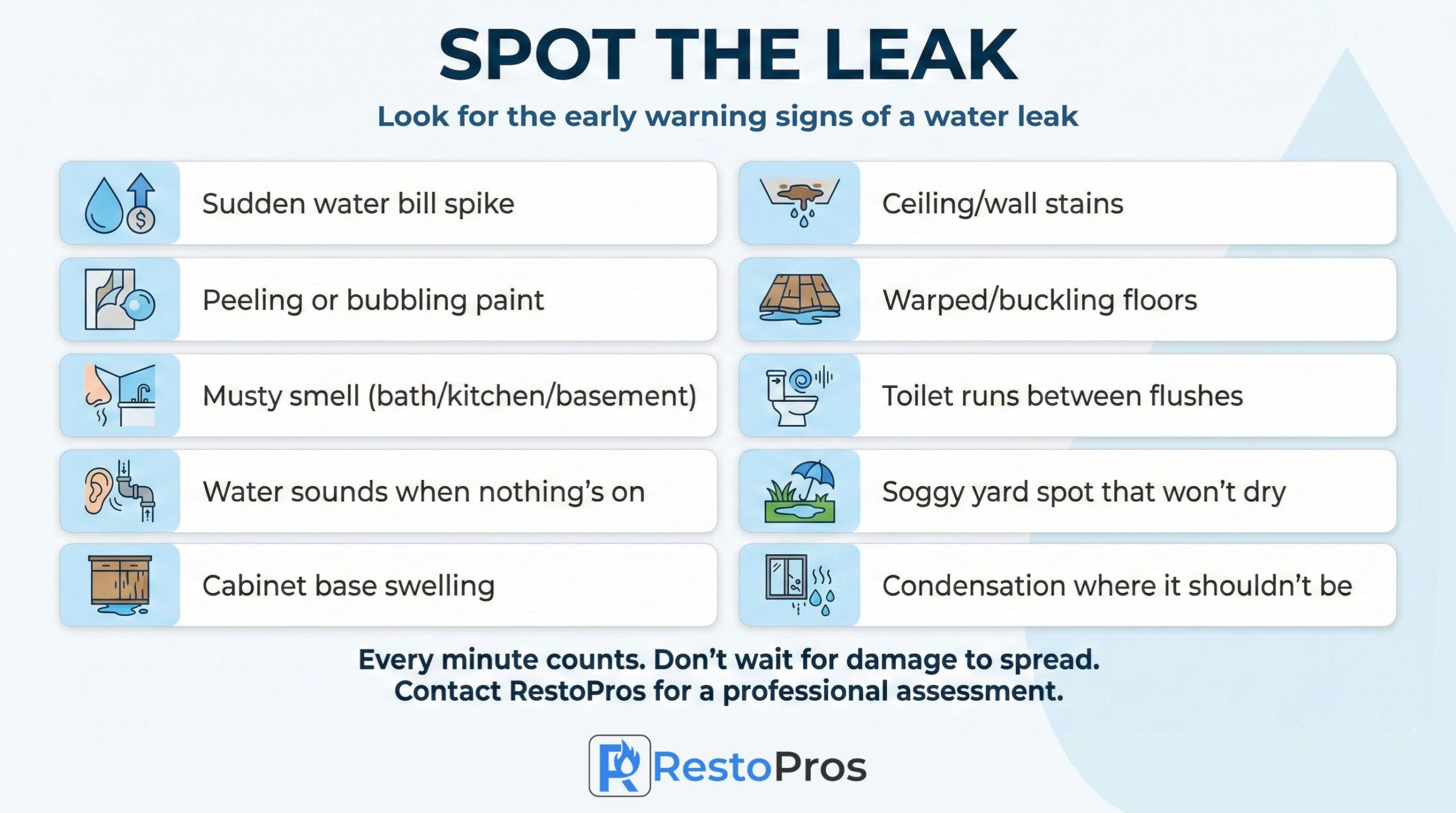
Not every leak announces itself with a puddle on the floor. Many of the most damaging leaks are hidden inside walls, beneath slabs, or within your home’s distribution system. Here are the warning signs to watch for.
Unexpected Changes in Your Water Bill
An unusual spike in your water bill is one of the first indicators of a potential leak. If your water consumption hasn’t changed but your bill has jumped, something in your system is likely using water you don’t know about. Compare your current bill to the same month from the previous year. A noticeable increase in water usage without an explanation points to a problem.
Visible Water Damage
Look for these red flags around your home:
- Stains or discoloration on ceilings, walls, or floors
- Peeling or bubbling paint and wallpaper
- Warped or buckling flooring
- A musty or moldy smell, especially in bathrooms, kitchens, or basements
- A soggy spot in your yard that never dries, which may indicate an underground leak
Sounds and Clues from Fixtures
Running water sounds when nothing is turned on can signal a hidden leak. Pay attention to areas around your water heater, washing machine, ice maker, and any other water-using appliance. Toilets are one of the most common culprits. A leaking toilet can waste hundreds of gallons per day if the flapper valve or flush valve is worn out. If you hear your toilet running between flushes or notice the water level in the toilet bowl shifting on its own, a toilet leak is likely.
Checking Your Water Meter
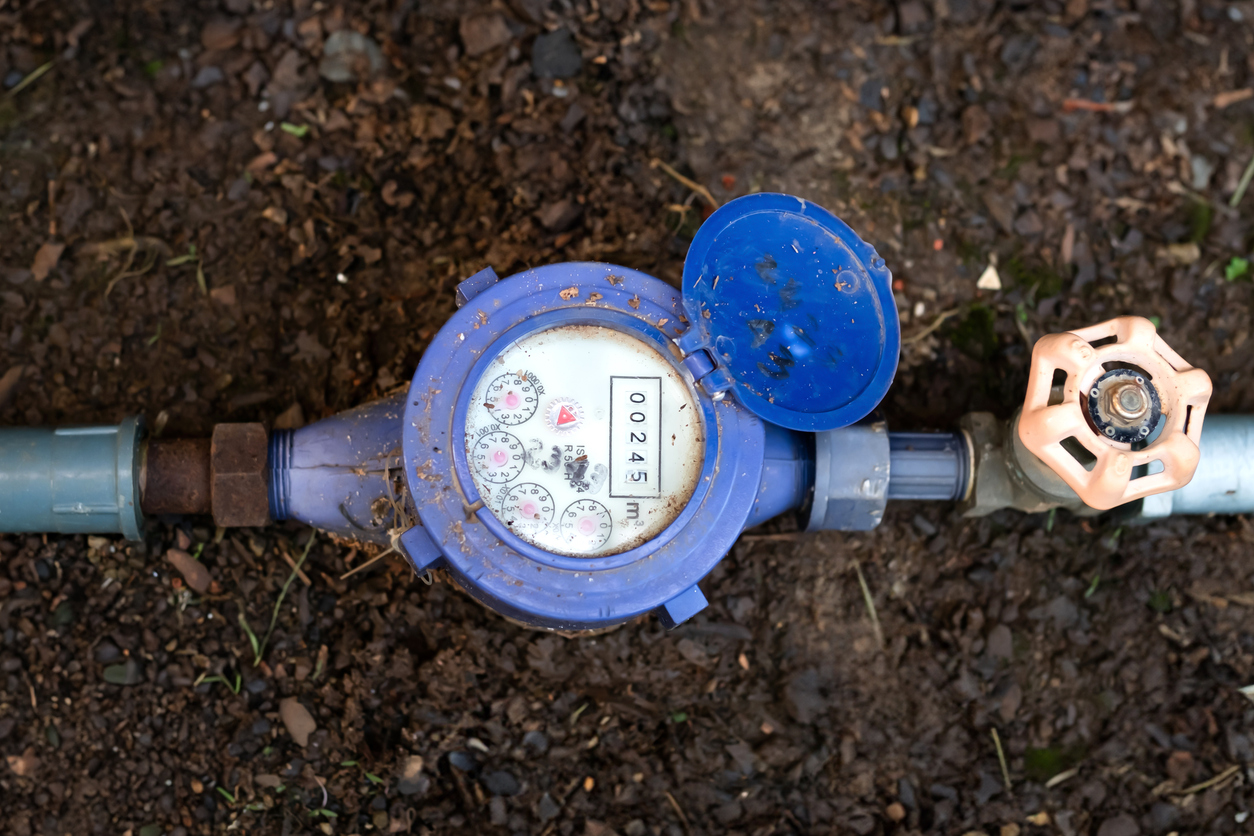
Your water meter is a powerful tool for confirming a suspected leak. Here’s how professionals recommend using it:
- Turn off all faucets, appliances, and your irrigation system.
- Locate your meter box and record the meter reading.
- Wait 1 to 2 hours without using any water.
- Check the meter again. If the reading has changed, or if the flow indicator (often a small triangle or sweep hand) is still moving, water is going somewhere it shouldn’t be.
This test can confirm a leak exists, but it won’t tell you where it is or how much damage has already been done. That requires professional leak detection equipment and a thorough assessment.
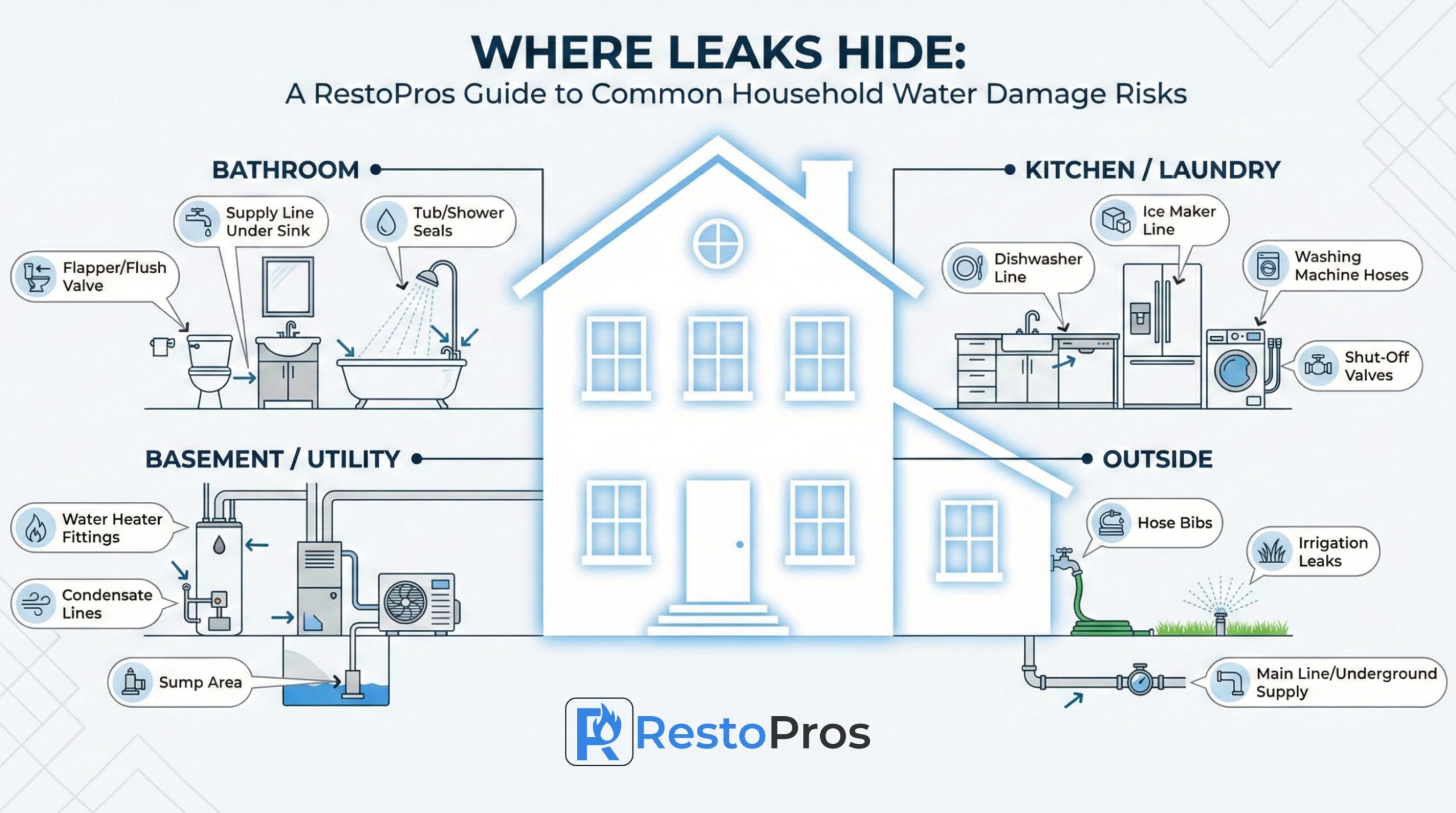
Where Leaks Are Most Likely to Occur
Understanding the most common problem areas can help you stay alert.
Bathrooms
- Toilets: A worn flapper valve, faulty float valve, or deteriorating flush valve can cause a leaky toilet to run constantly. Even a silent toilet leak can waste water around the clock.
- Faucets: A leaking faucet caused by a worn washer may drip steadily, and faucet leaks under the sink can go unnoticed for months.
Kitchens and Laundry Rooms
- Under the sink: Water supply lines and shut-off valves can corrode or loosen over time.
- Appliances: Connections to your washing machine, dishwasher, and ice maker should be checked regularly by a licensed plumber.
Outside and Underground
- Outside faucets: Hose bibs and outdoor spigots are exposed to weather and can crack.
- Irrigation systems: A leak in your irrigation system may create soggy spots in your yard or an unexplained rise in your water bill.
- Underground leaks: Leaks in your main water supply line or the distribution system beneath your property are often the hardest to detect and the most damaging. These may require specialized leak detection technology to locate.
Why Even a Small Leak Is a Big Deal
It’s easy to underestimate a dripping faucet or a slow leak behind a wall. But the math adds up fast.
- A faucet that drips once per second wastes more than 3,000 gallons per year, according to the United States Geological Survey.
- A leaky faucet or running toilet can add hundreds of dollars to your annual water bill.
- Water waste at this scale doesn’t just cost money. Standing moisture creates the perfect environment for mold growth, which can begin within 24 to 48 hours in damp conditions.
An undetected leak also threatens your home’s structural integrity. Water weakens framing, rots subfloors, and damages drywall. The longer it goes unaddressed, the more expensive the restoration becomes.
What to Do When You Find Water Damage
If you discover signs of a leak or water damage, the steps you take next matter. This is not a situation for a DIY approach. Water damage often extends far beyond what’s visible, and improper cleanup can lead to mold, structural issues, and health risks.
Step 1: Shut Off the Water
If you can identify the source, turn off the nearest shut-off valve. If you can’t locate it, use the main shut-off valve for your entire home to stop the flow and prevent further damage.
Step 2: Call RestoPros
RestoPros responds 24/7 and can have a trained team at your property quickly. Our water damage restoration professionals arrive with commercial-grade equipment to assess the full scope of damage, including areas behind walls and under flooring that aren’t visible to the naked eye.
Step 3: Professional Assessment and Extraction
Our team uses moisture detection technology, thermal imaging, and industrial-grade extraction equipment to find and remove all standing water. We follow IICRC standards and document everything for your insurance claim from the very first visit.
Step 4: Drying and Monitoring
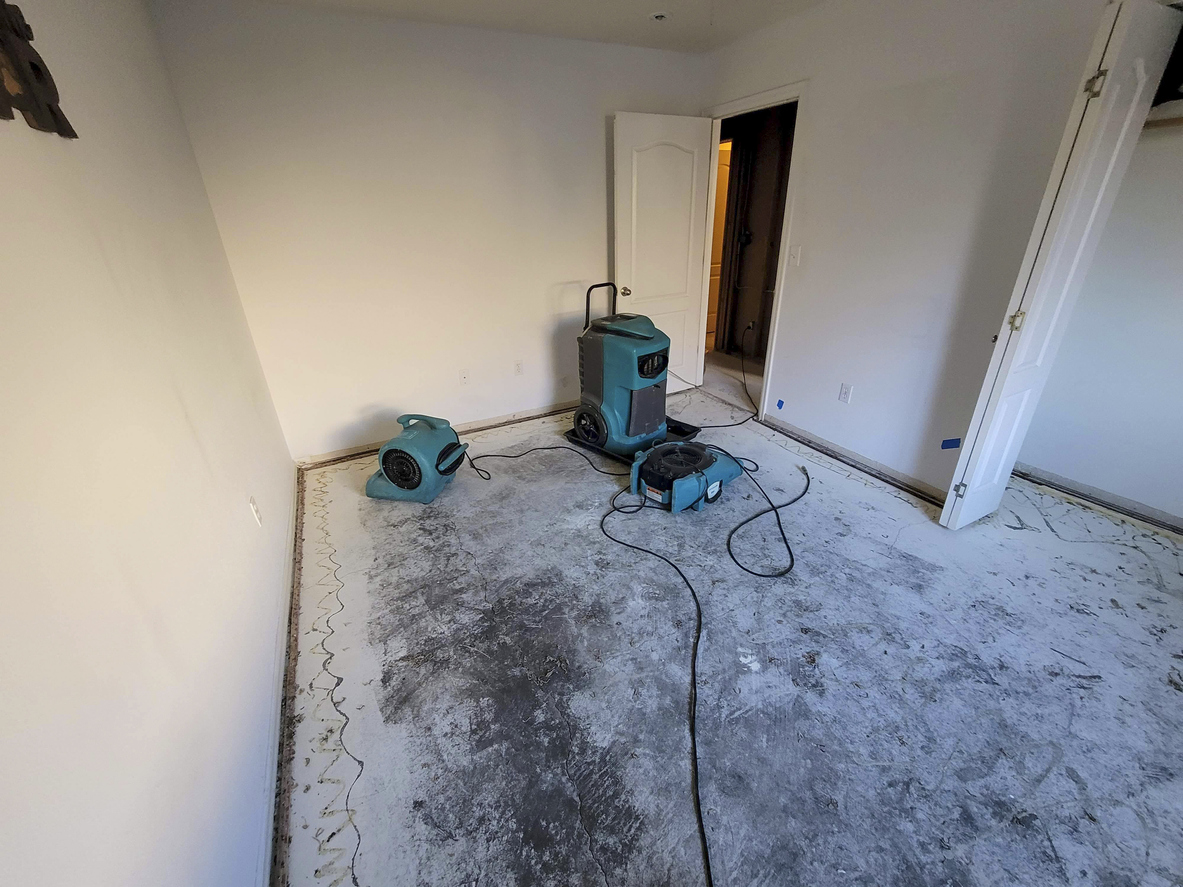
After extraction, RestoPros places professional air movers, dehumidifiers, and fans throughout the affected area. We monitor moisture levels daily until your property is completely dry, preventing secondary damage and mold growth.
Step 5: Restoration and Rebuild
Once the area is dry, our restoration and rebuild team repairs or replaces damaged materials, including drywall, flooring, cabinetry, and more. We return your home to its pre-damage condition.
RestoPros Is Here When You Need Us
A water leak might start small, but the damage it causes rarely stays that way. Whether it’s a leaky toilet that has been running for weeks or an underground leak that has soaked your foundation, the longer water sits, the worse the damage gets.
RestoPros understands how stressful water damage can be, and our team is ready to help you move forward. We work directly with your insurance company to handle documentation and claims, so you can focus on getting your life back to normal. With certified technicians, advanced equipment, and 24/7 availability, we’re the team homeowners trust when every minute counts.
Don’t wait for a small leak to become a major restoration project. Contact RestoPros today to schedule an assessment or call us for emergency water damage services.