
The Short Answer: Wrapping water pipes with pipe insulation before winter weather arrives helps prevent frozen pipe damage and the costly water damage that follows a burst pipe. However, proper installation and identifying all vulnerable areas throughout your home requires attention to unheated spaces like crawl spaces, exterior walls, and areas near outdoor faucets.
When freezing temperatures hit, unprotected water pipes can freeze in as little as six hours. Water damage and freezing claims account for nearly 24% of all homeowners insurance losses, with average claims exceeding $12,000. A burst pipe can release hundreds of gallons of water into your home, causing damage to floors, walls, and personal belongings.
This guide covers how to identify at-risk pipes, the types of pipe insulation available, and step-by-step preparation for the winter months. While these preventative measures can reduce your risk, even well-prepared homes can experience pipe failures during severe cold weather. If this happens to you, don’t hesitate to reach out to RestoPros for quick assistance!
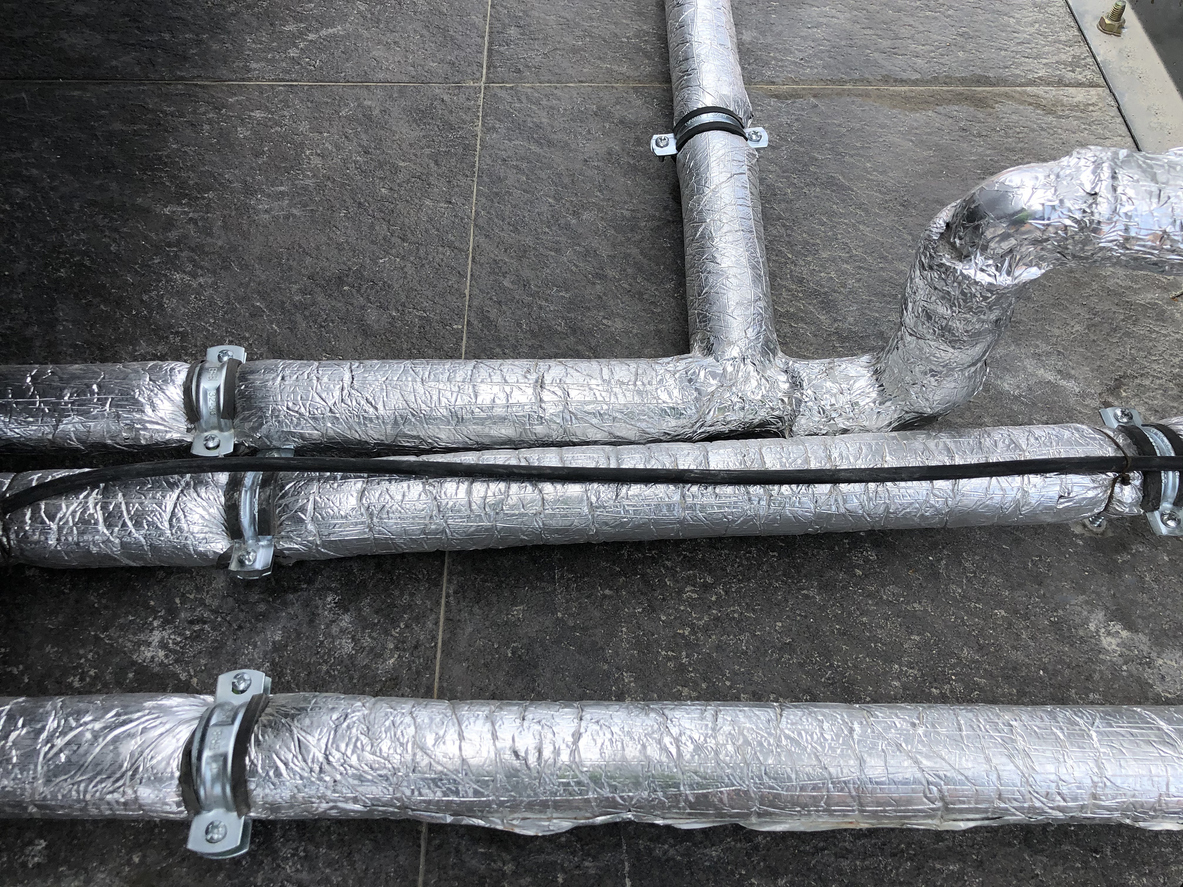
Why Pipe Insulation Matters
Water expands by approximately 9% when it freezes. This expansion creates intense pressure inside your water supply lines. When that pressure exceeds what the pipe can handle, the pipe ruptures. Both copper pipe and plastic pipes can fail under these conditions.
Pipe insulation creates a barrier between your water pipes and the cold air surrounding them. This barrier slows heat loss and gives your hot water and cold water lines more time before reaching freezing temperatures. However, insulation alone cannot prevent freezing during extended hard freeze conditions or in severely unheated areas.
Where Pipes Are Most Vulnerable
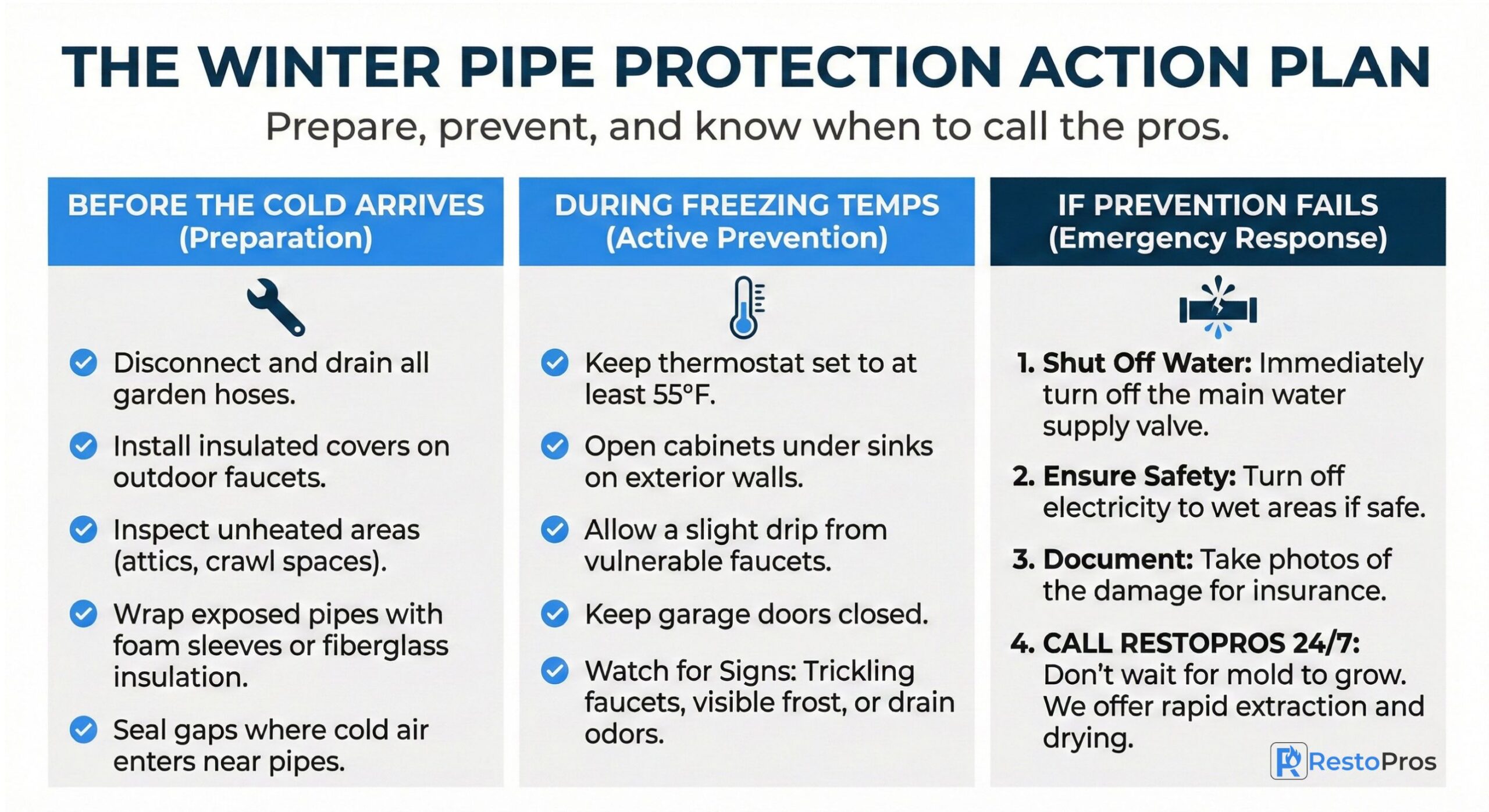
Before you insulate pipes, identify every location in your home where water supply lines face exposure to cold weather:
Exterior Walls
Water pipes running along an exterior wall receive less protection from your home’s heating system. These pipes sit closer to outside temperatures, making them prime candidates for freezing during a cold snap.
Crawl Spaces and Basements
Your crawl space often contains exposed water pipes running beneath your home. This unheated area allows cold air to surround pipes on all sides. Basements without climate control face similar risks, especially near foundation walls and air vents.
Attics and Unheated Garages
An unheated garage with water supply lines needs special attention. Keep the garage door closed during winter to maintain slightly higher temperatures. Attic spaces with water lines (i.e., those serving upstairs bathrooms) should be checked for adequate insulation around pipes.
Outdoor Faucets and Spigots
Your outdoor faucet and outdoor spigot connect directly to interior water lines. These outside faucet connections are among the first to freeze because they sit exposed to winter weather. The water meter and main shut-off valve areas also need inspection.
Types of Pipe Insulation
Your local hardware store carries several options for wrapping pipes:
Foam Pipe Sleeves
Foam pipe sleeves (also called pipe wrap) slide over straight sections of pipe. They come pre-slit for easy installation. These foam covers work well for exposed water pipes in crawl spaces and along exterior walls. Choose sleeves sized to match your pipe diameter.
Fiberglass Insulation
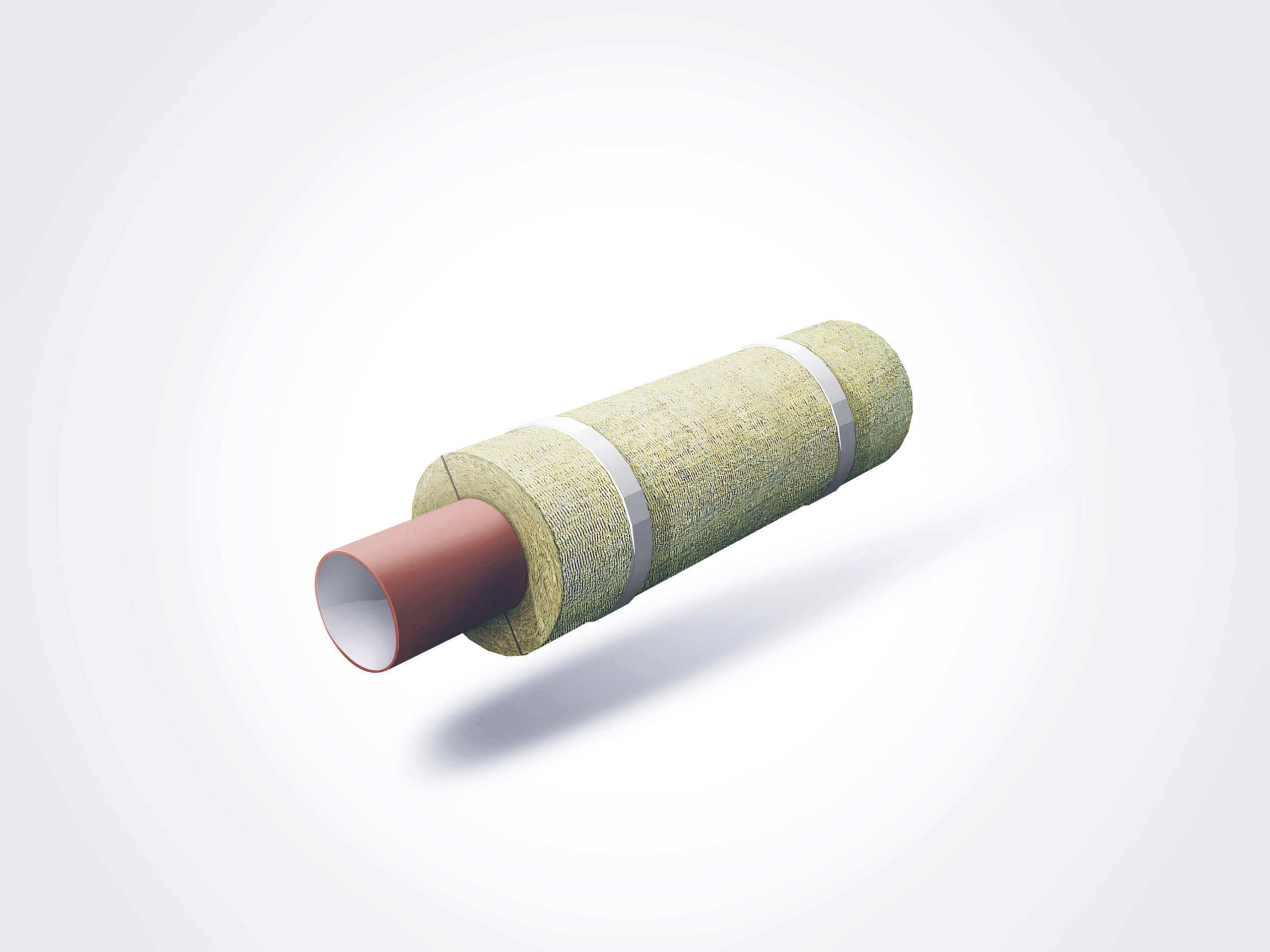
Fiberglass pipe insulation wraps around pipes and secures with insulation tape or duct tape. This option provides thicker insulation for severely cold climates. Wear protective gloves when handling fiberglass materials.
Heat Tape and Heat Cable
Heat tape and heat cable provide active warming for pipes in extremely cold locations. These electric products wrap around pipes and generate warmth during freezing temperatures. Only use UL-listed heat tape or heat cable products. A licensed plumber can help determine if your situation requires these specialized products.
Faucet Covers
A faucet cover or foam cover protects your outdoor faucet from direct exposure to freezing temperatures. These inexpensive covers slip over the outside faucet and trap warm air against the fixture.
Step-by-Step Preparation for Winter
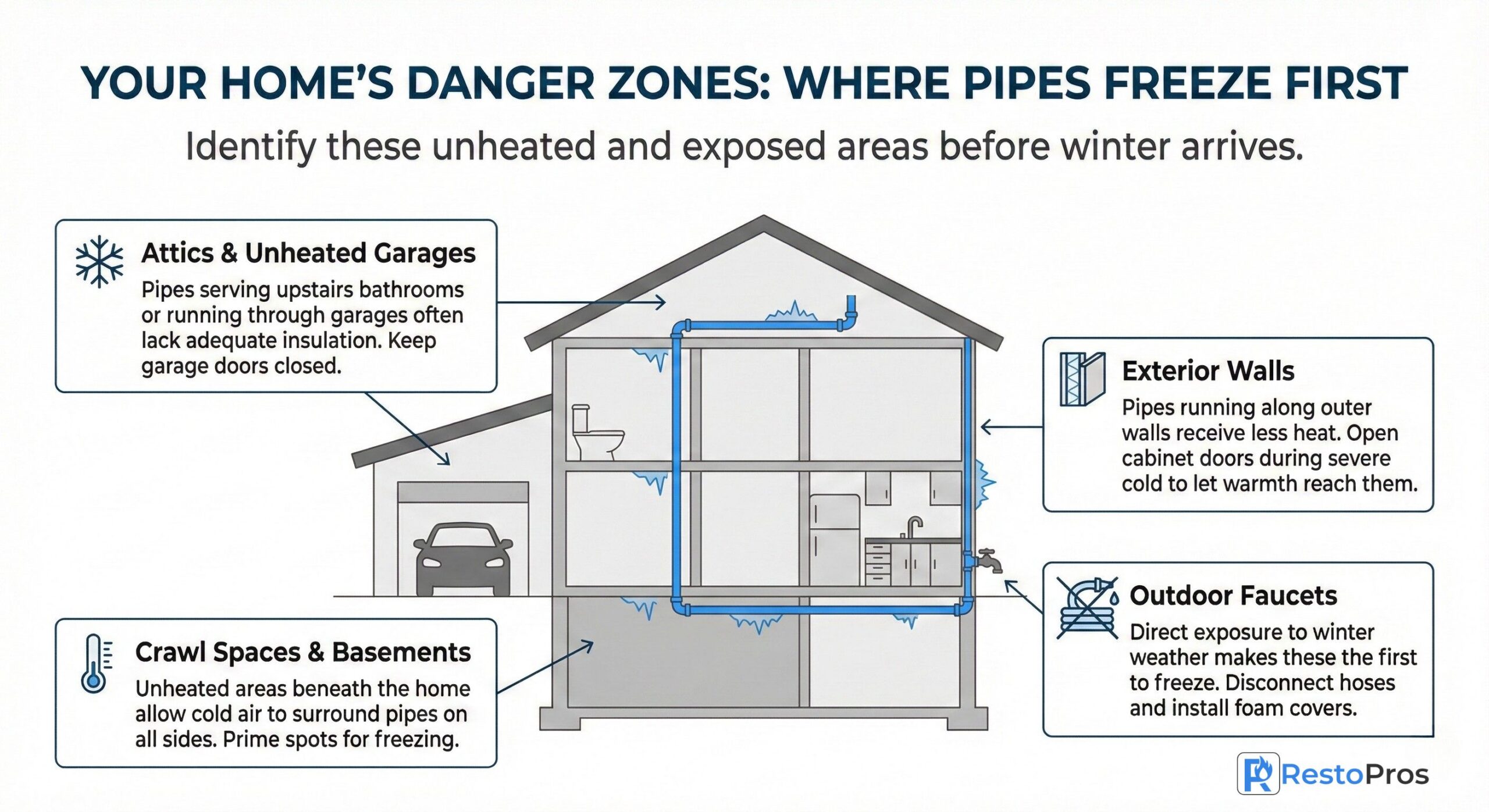
Before Cold Weather Arrives
- Disconnect and drain garden hoses and outdoor hoses from all outdoor spigots
- Close interior shut-off valves supplying outdoor faucets
- Open outside faucets to drain remaining water
- Inspect all exposed water pipes in unheated areas
- Measure pipe diameters and purchase appropriate insulation
- Install faucet covers on all outdoor faucet fixtures
How to Wrap Pipes Properly
- Clean pipes of dust and debris before applying insulation
- Slide foam sleeves over straight pipe sections
- Seal sleeve seams with insulation tape or duct tape
- Pay extra attention to pipe joints and elbows
- Leave no gaps where cold air can reach the pipe surface
- Wrap both hot water and cold water lines in unheated areas
During Freezing Temperatures
- Keep your thermostat at 55°F or higher, even when away
- Open cabinet doors under kitchen sinks and bathroom cabinets to let warm air circulate
- Allow a slight drip from faucets served by exposed pipes
- Keep the garage door closed if water supply lines run through the space
- Never use an open flame to thaw frozen pipes
- Monitor areas near air vents that may allow cold air infiltration
Signs of a Frozen Pipe
Know these warning signs that indicate a pipe may have frozen:
- Only a trickle of water flows from the faucet
- Visible frost on exposed pipe surfaces
- Unusual odors from drains (trapped gases)
- Bulging or cracked pipe sections
- No water at all from fixtures
If you suspect a frozen pipe, keep the faucet open and apply gentle heat using a hair dryer or towels soaked in warm water. Never use a portable space heater near standing water or flammable materials. If you cannot locate the frozen section or the pipe appears damaged, turn off the main shut-off valve and call a licensed plumber immediately.
When Prevention Fails: Responding to a Burst Pipe
Even with proper pipe insulation and preventative measures, severe winter weather can overwhelm your defenses. A burst pipe can release 4 to 8 gallons of water per minute, flooding your home with hundreds of gallons before you realize what happened.
If a pipe bursts in your home:
- Shut off the main water supply immediately
- Turn off electricity to affected areas if safe to do so
- Document all water damage with photos and video
- Contact your insurance company to report the incident
- Call a licensed plumber to repair the pipe
- Contact a professional water damage restoration company
Water left standing for 24 to 48 hours creates conditions for mold growth. What begins as a burst pipe can quickly become a larger problem affecting your walls, flooring, and personal belongings. Professional water extraction and drying equipment removes moisture that household tools cannot reach.
Protect Your Home This Winter
Wrapping water pipes with proper pipe insulation, installing faucet covers on outdoor faucets, and maintaining adequate heat in unheated areas like crawl spaces and garages can reduce your risk of a frozen pipe during the winter months. Opening cabinet doors during cold snaps allows warm air to reach pipes along exterior walls. Disconnecting garden hoses and outdoor hoses before winter weather arrives protects your outdoor spigot connections.
However, even well-prepared homes can experience burst pipes during severe freezing temperatures. When water damage strikes, every minute counts. RestoPros provides 24/7 emergency water damage restoration services with rapid response times. Our certified technicians use professional-grade extraction equipment, industrial dehumidifiers, and thermal imaging to locate and remove moisture throughout your property. We work directly with your insurance company to document damage and simplify the claims process for you.
Don’t let burst pipe water damage disrupt your life longer than necessary. Contact RestoPros now for immediate assistance. Our team is ready 24/7 to help restore your home and your peace of mind.