
The Short Answer: Soot is a toxic black substance left behind after a fire that clings to surfaces, circulates through your HVAC system, and poses serious health risks. Professional soot removal is the only way to fully restore a property to pre-loss condition after fire or smoke damage.
After a house fire, most people focus on the visible flames and water damage from firefighting efforts. But the soot damage left behind is often just as destructive, and far easier to overlook. Soot particles are microscopic, deeply penetrating, and contain toxic compounds that make the affected area unsafe to occupy. Understanding what soot is, why it’s dangerous, and what the restoration process actually looks like helps property owners know what to expect and why professional help is not optional.
What Is Soot?
Soot is a fine black substance made up of carbon particles produced when organic materials burn incompletely at high temperatures. It is not just ash. Soot particles are much smaller and carry a range of toxic compounds, including:
- Polycyclic aromatic hydrocarbons (PAHs)
- Heavy metals
- Carbon monoxide residue
- Acids and other chemical byproducts
After a house fire, soot spreads far beyond the damaged area. It travels through air currents and your HVAC system, coating hard surfaces, soft materials, and hidden spaces like wall cavities and ductwork. Wildfire smoke from nearby blazes can even push soot particles into homes that never caught fire at all.
Wet vs. Dry Soot
Not all soot behaves the same way, and the type affects how restoration services approach the cleaning process.
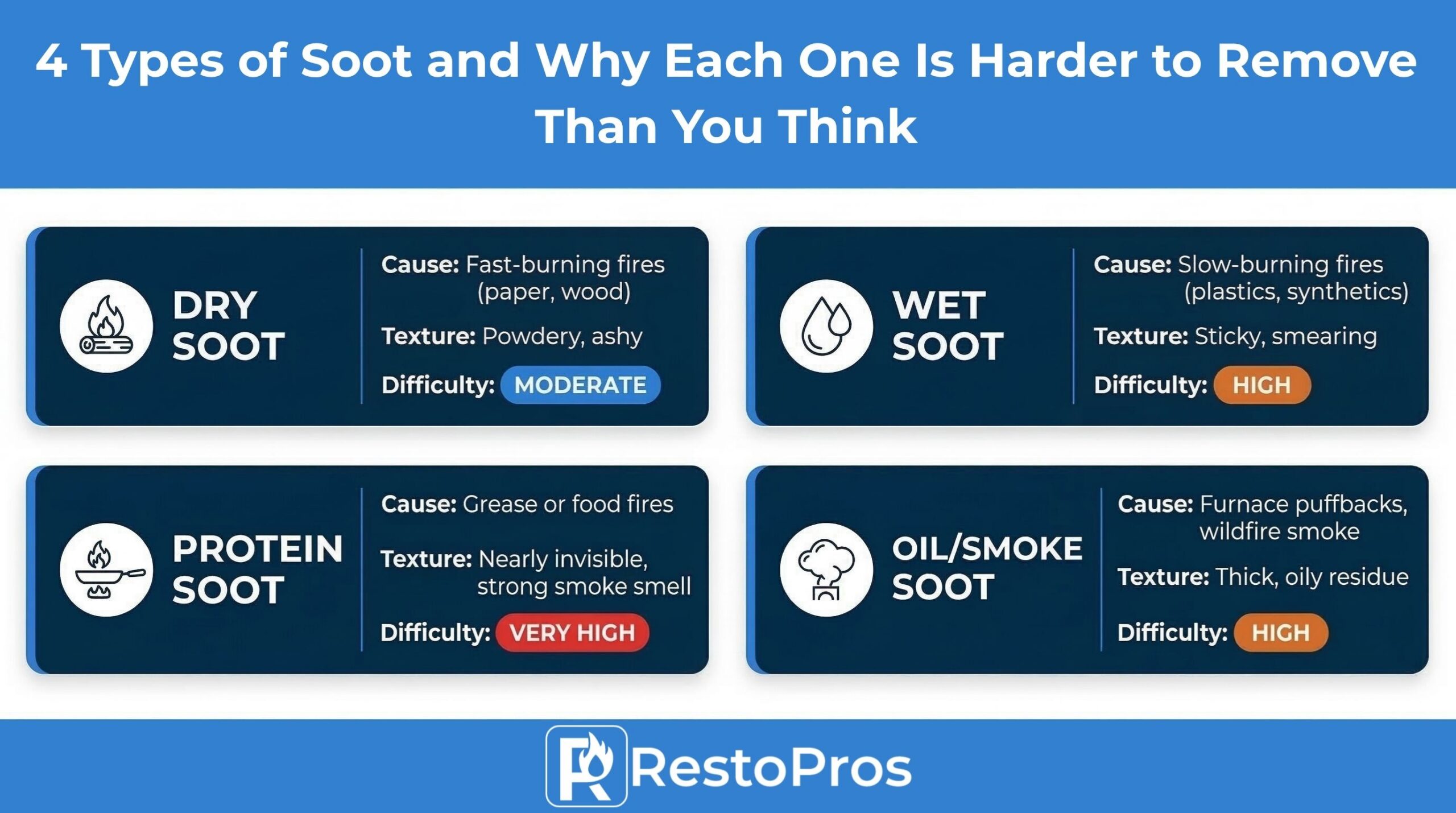
Each type requires a different approach, and misidentifying it leads to smearing or deeper embedding of soot residue into surfaces.
Why Soot Damage Is So Dangerous
Health Risks From Soot Exposure
Soot particles are small enough to bypass your body’s natural defenses and enter deep into your lungs. Short-term and long-term exposure can cause serious health issues, including:
- Respiratory irritation and worsening of asthma
- Eye and skin irritation
- Headaches and dizziness tied to carbon monoxide residue
- Increased risk of cardiovascular problems with prolonged exposure
The EPA classifies fine particle pollution, including soot, as a significant health hazard. Children, the elderly, and anyone with existing respiratory conditions face the highest risk.
Structural and Physical Damage
Beyond health risks, soot causes direct physical damage to your property. Left untreated, it:
- Permanently stains walls, ceilings, and hard surfaces
- Etches into glass and metal within hours to days
- Breaks down fabrics, carpeting, and upholstered furniture
- Causes structural damage to walls and ceilings over time as acidic compounds eat into materials
The longer the soot residue sits, the more significant the damage it causes. What starts as surface-level fire damage can escalate into extensive remediation needs if not addressed quickly.
Smoke Smell That Won’t Go Away
Smoke odor is not just unpleasant. It signals that smoke particles are still embedded in materials throughout your home. A lingering smoke smell after a fire means the cleaning process is not complete, and those particles are still affecting indoor air quality.
How Professionals Remove Soot Damage
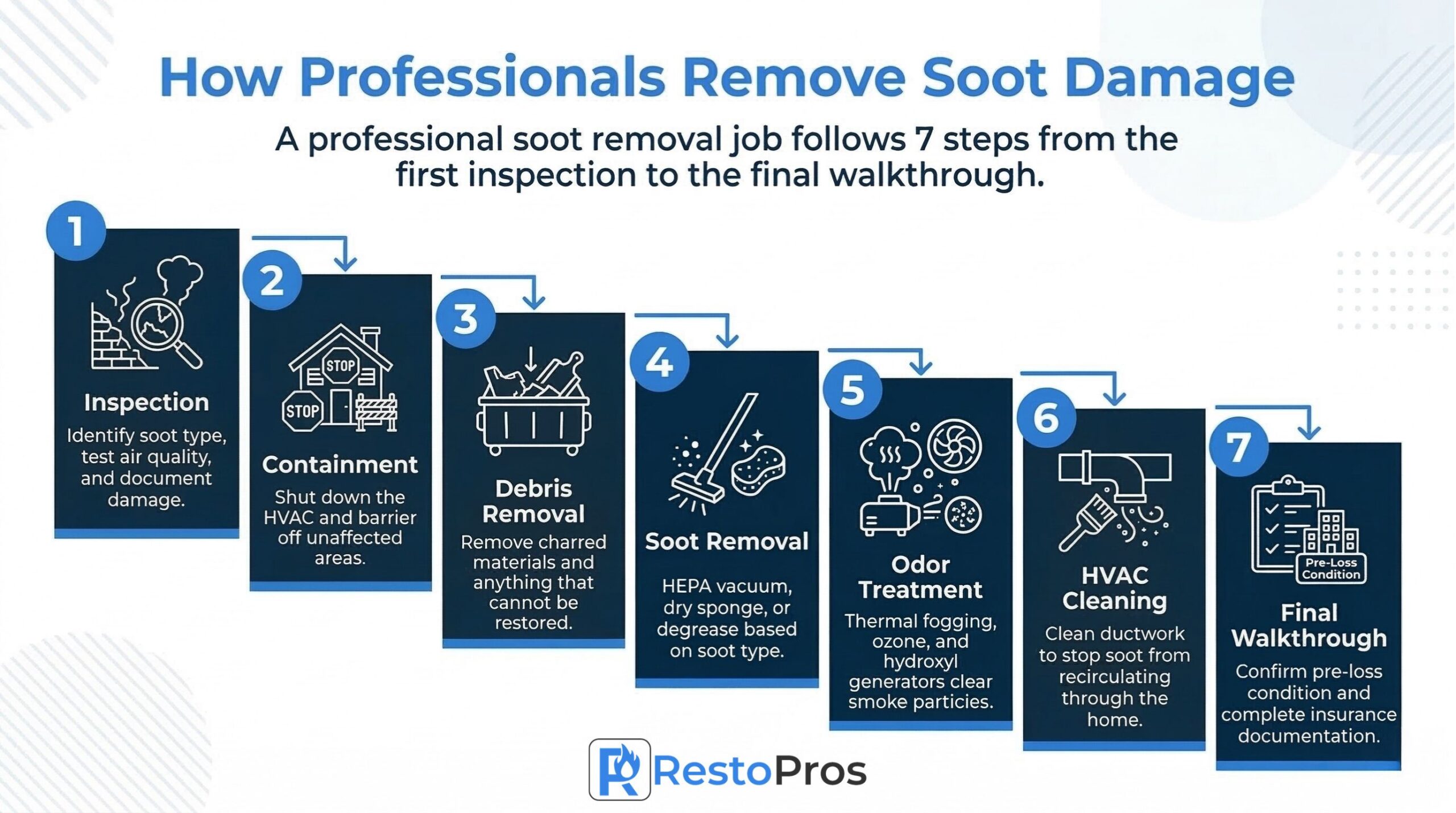
The restoration process for soot and smoke damage is not a matter of wiping down surfaces. It requires specialized equipment, controlled containment, and trained professionals who understand how smoke particles behave.
Step 1: Inspection and Assessment
A technician begins with a full inspection of the affected area and all adjacent spaces. This includes:
- Identifying soot type and distribution
- Testing air quality
- Evaluating structural damage and any water damage from fire suppression
- Documenting all physical damage and physical loss for your insurance claim
This documentation is provided directly to your insurance company and supports your smoke damage claims under your property insurance policy or Fair Plan coverage.
Step 2: Containment and HVAC Shutdown
Before cleaning begins, the HVAC system is shut down to prevent soot particles from circulating further. Containment barriers are set up to protect unaffected areas of the home during the restoration process.
Step 3: Debris Removal
All unsalvageable materials are removed from the damaged area. This includes debris removal of charred items, contaminated insulation, and materials with deep soot penetration that cannot be restored to pre-loss condition.
Step 4: Dry and Wet Soot Removal
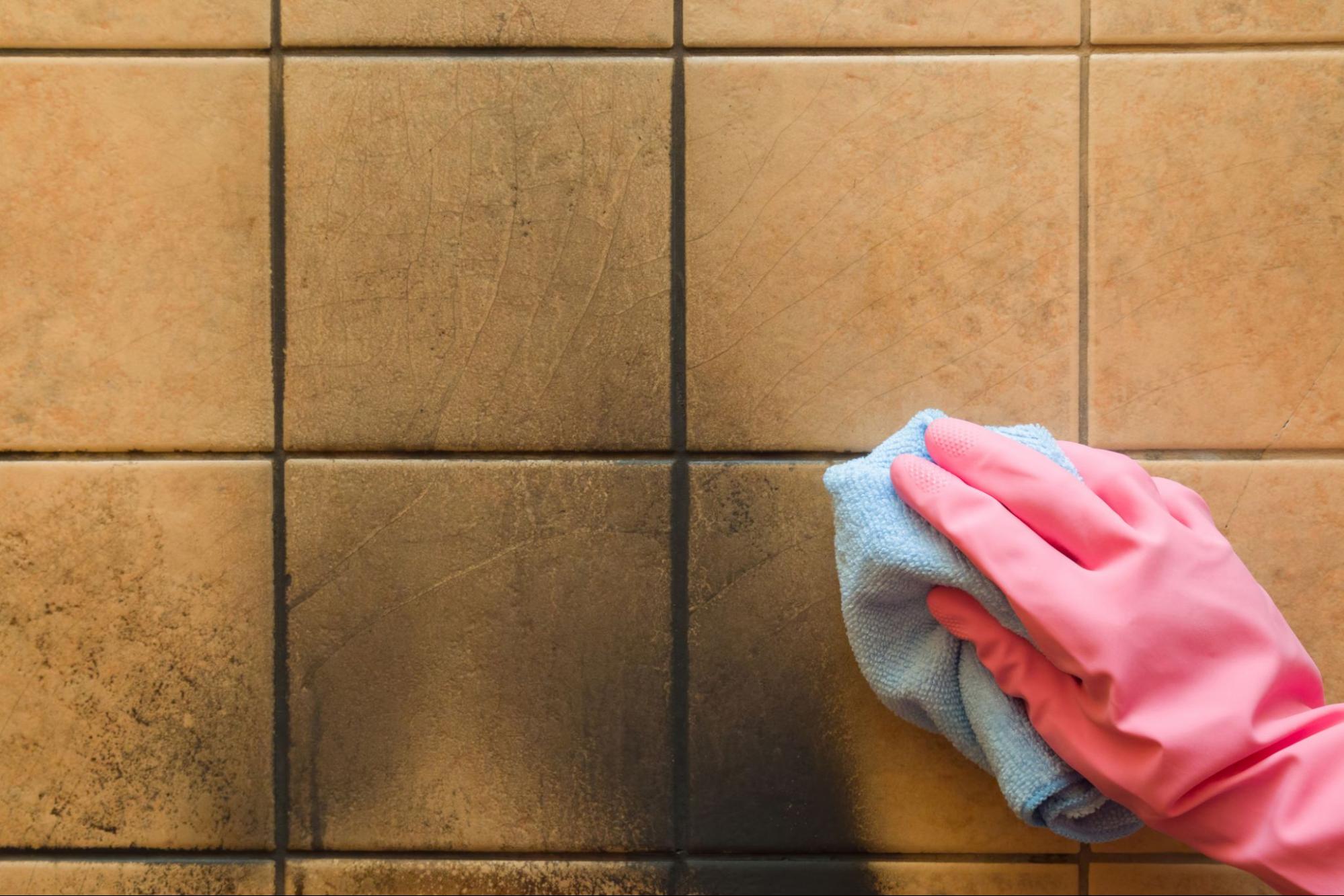
Technicians use professional cleaning methods matched to the type of soot present:
- Dry soot: HEPA vacuuming and dry chemical sponges
- Wet or oily soot: Specialized degreasers and professional cleaning solutions
- Hard surfaces: Chemical cleaning agents designed not to spread or smear the black substance deeper into pores
Warm water alone will not remove soot effectively, and household cleaners can cause additional damage to finishes and materials.
Step 5: Smoke Odor Treatment
Once visible soot residue is removed, smoke odor treatment addresses particles embedded in walls, flooring, and soft materials. RestoPros uses methods such as:
- Thermal fogging
- Ozone treatment
- Hydroxyl generators
These are the same approaches used to address the smell after wildfire smoke events and house fires alike.
Step 6: HVAC Cleaning
The HVAC system receives a thorough cleaning to remove any soot particles that entered the ductwork during the fire. Skipping this step means recirculating smoke damage through the home every time the system runs.
Step 7: Final Inspection and Documentation
Before the job is considered complete, your restoration team conducts a final walkthrough to confirm the property is restored to pre-loss condition. All documentation is provided to support your insurance coverage and insurance policy claims.
Soot Damage and Your Insurance
Most property insurance policies include coverage for fire damage and smoke damage as direct physical loss. Working with a professional restoration company from the start strengthens your smoke damage claims by providing:
- Detailed before-and-after documentation
- Itemized scope of work
- Evidence of the extent of physical damage
- Support navigating your insurance company’s requirements
If you carry a fair plan or a standard homeowners policy, RestoPros can help you understand what your insurance coverage applies to and what documentation your insurer will need.
Do Not Wait on Soot Damage
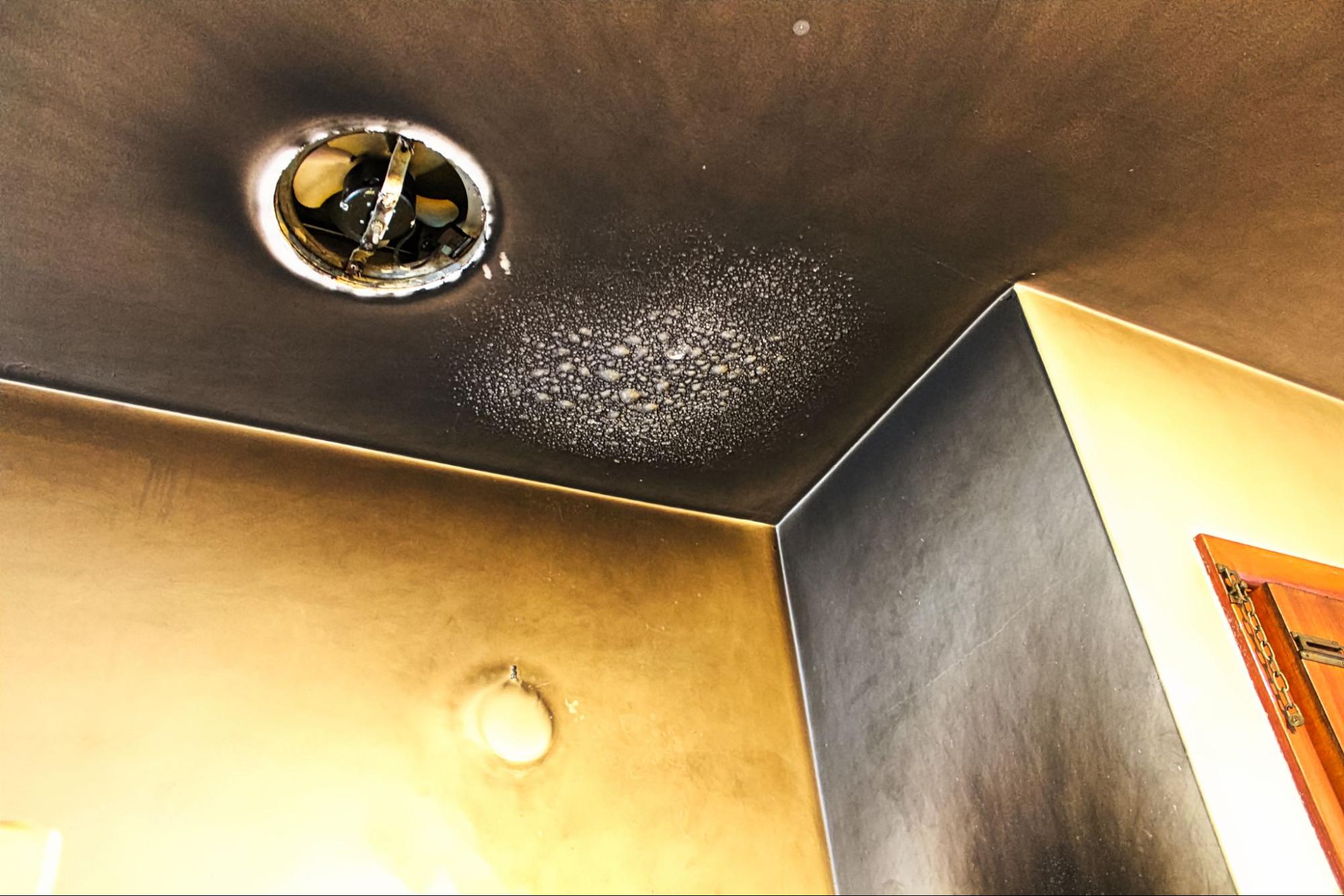
Soot damage moves fast. Within hours of a fire, soot residue begins etching into surfaces and spreading through your HVAC system. According to the NFPA, home fires cause billions of dollars in property damage every year, and much of that cost is driven by secondary damage like soot that goes unaddressed. Within days, smoke damage becomes more extensive and more expensive to reverse. The CDC also notes that fire smoke contains a complex mix of gases and fine particles that create both immediate and long-term health risks when exposure continues after a fire.
Soot is not a cleanup job for a property owner working alone, and any delay increases the scope of what professional restoration services will need to address. After any house fire, smoke event, or even a nearby wildfire smoke situation that pushed soot into your home, the right move is to call a professional immediately. RestoPros specializes in fire and smoke damage restoration, including soot removal, smoke odor treatment, debris removal, and full structural restoration through our rebuild services. We work directly with your insurance company throughout the process, so you are not managing paperwork alone during an already stressful time.
Contact RestoPros today for a fast response and a clear path to recovery.