
The Short Answer: A leaking water heater can release gallons of water onto your floors in a matter of hours. Turning off the water supply and calling a restoration professional fast is the best way to stop water damage before it spreads.
A water heater leak may start small. A puddle near the tank. A damp spot on the floor. But if that leak goes unnoticed or unaddressed, the water damage that follows can be serious and costly.
RestoPros does not provide plumbing services. But once a leaking water heater has caused water to spread across your floors, walls, or subfloor, that is when a professional restoration company becomes your most important call.
Clear Signs Your Water Heater Is Leaking
A leak does not always announce itself. Some warning signs are easy to miss, especially if your water heater is tucked away in a basement, garage, or closet. Here are clear signs to watch for:
- Water is pooling around the base of the tank
- A wet floor near your plumbing fixture
- Rust streaks running down the outside of the water tank
- A dripping drain valve or pressure relief valve (also called a TPR valve)
- A hissing or dripping sound coming from the heater
- Unexplained spikes in your water bill
- Reduced hot water pressure or cold water where you expect hot water
If you spot any of these, do not wait. Water spreads fast and gets into materials like drywall, insulation, and flooring long before you can see it with the naked eye.
Where Is the Leak Actually Coming From?
Different parts of a water heater can fail in different ways. Knowing the source helps you communicate clearly with both a professional plumber and a restoration company.
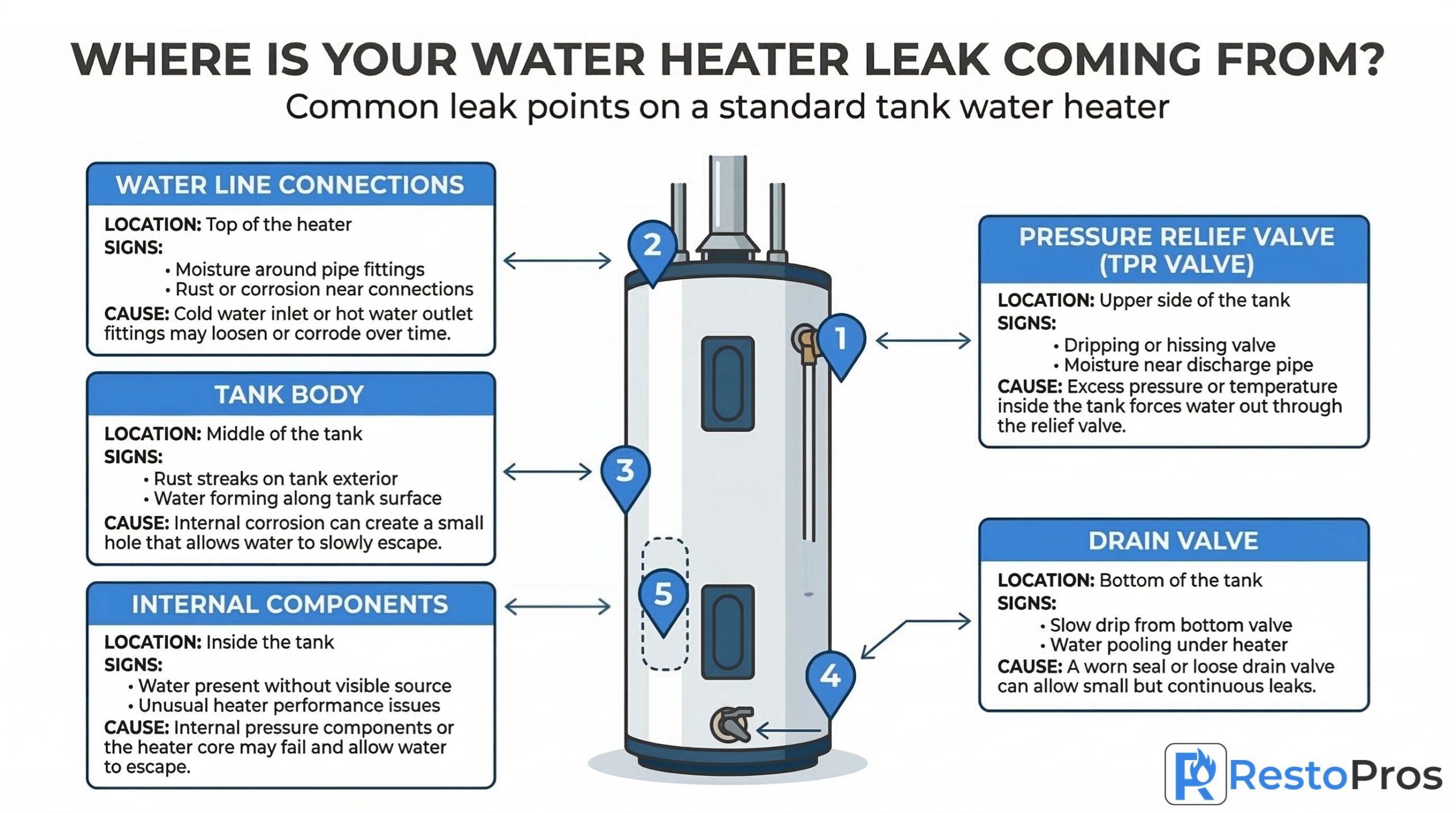
Pressure Relief Valve (TPR Valve): A dripping or hissing relief valve often points to excess pressure or temperature buildup inside the tank. This is a high-risk situation that needs a professional plumber right away.
Drain Valve at the Bottom: The drain valve near the bottom of the tank can develop a loose fitting or a worn seal over time. This is one of the more common sources of a slow, easy-to-miss leak.
Water Line Connections: The cold water inlet and hot water outlet connections at the top of the tank can corrode or loosen. A professional plumber can assess whether the valve or the water line itself needs attention.
The Tank Body: A leak from the tank body is a clear sign that the conventional tank has reached the end of its life. Corrosion eventually creates a small hole that no temporary solution can fix. A professional plumber handles the replacement, but the water that has already escaped requires a restoration professional.
Pressure Valve and Internal Components: Internal pressure valve failure or a failing heater core can cause water to build up and eventually escape. If you notice water and cannot find an obvious external source, do not assume it is minor.
Gas Water Heater vs. Electric Water Heater: Does the Type Matter?
When it comes to water damage, the type of heater matters less than the leak itself. But your immediate safety steps differ.
For a Gas Water Heater
- Turn off the gas supply shutoff valve before anything else
- Do not flip any switches or use open flames nearby
- If you smell gas, leave the area immediately and call your gas company
For an Electric Water Heater
- Locate your circuit breaker and shut off power to the electric heater before stepping near any standing water
- Do not step into water before the circuit breaker is off
- Then turn off the cold water supply line coming into the unit
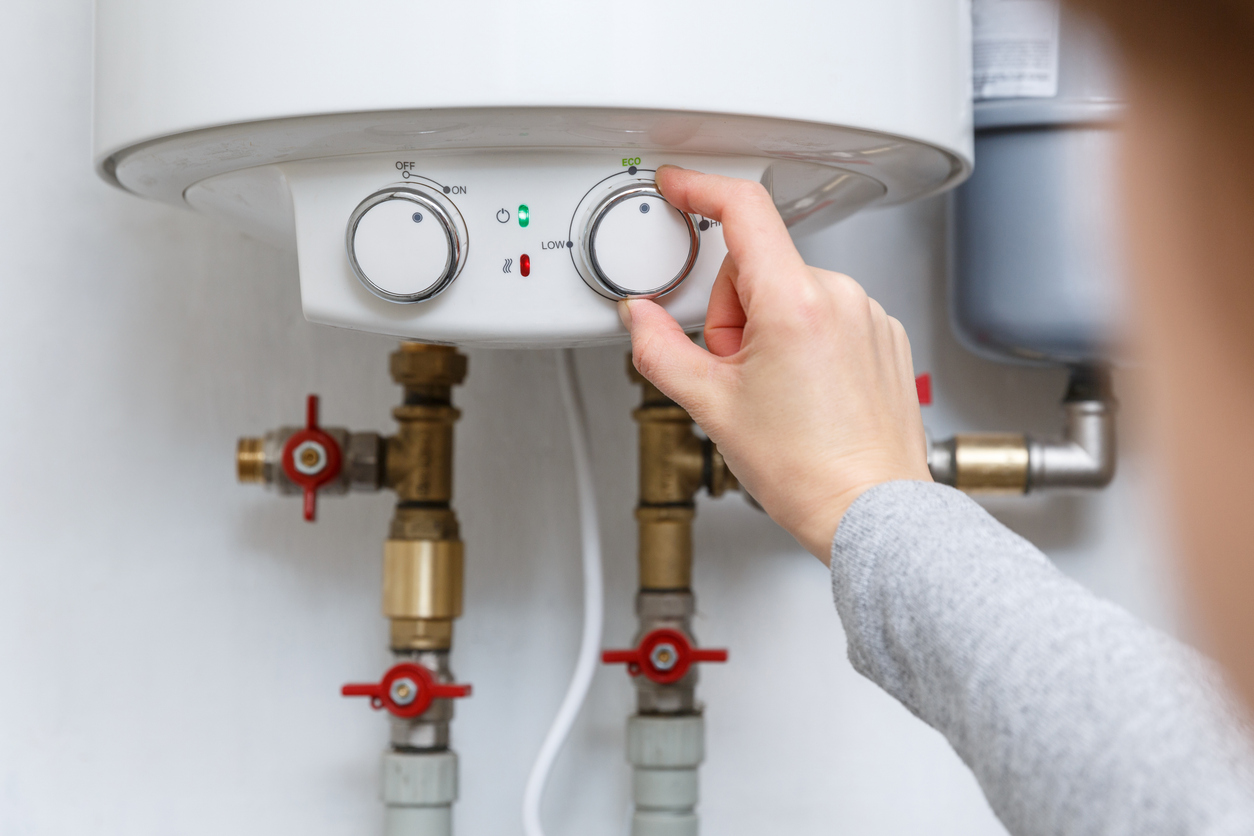
After these steps, your next step is calling a professional plumber for the water heater repair and a restoration professional for any water that has already reached your floors or walls.
Why a Water Heater Leak Is a Bigger Problem Than It Looks
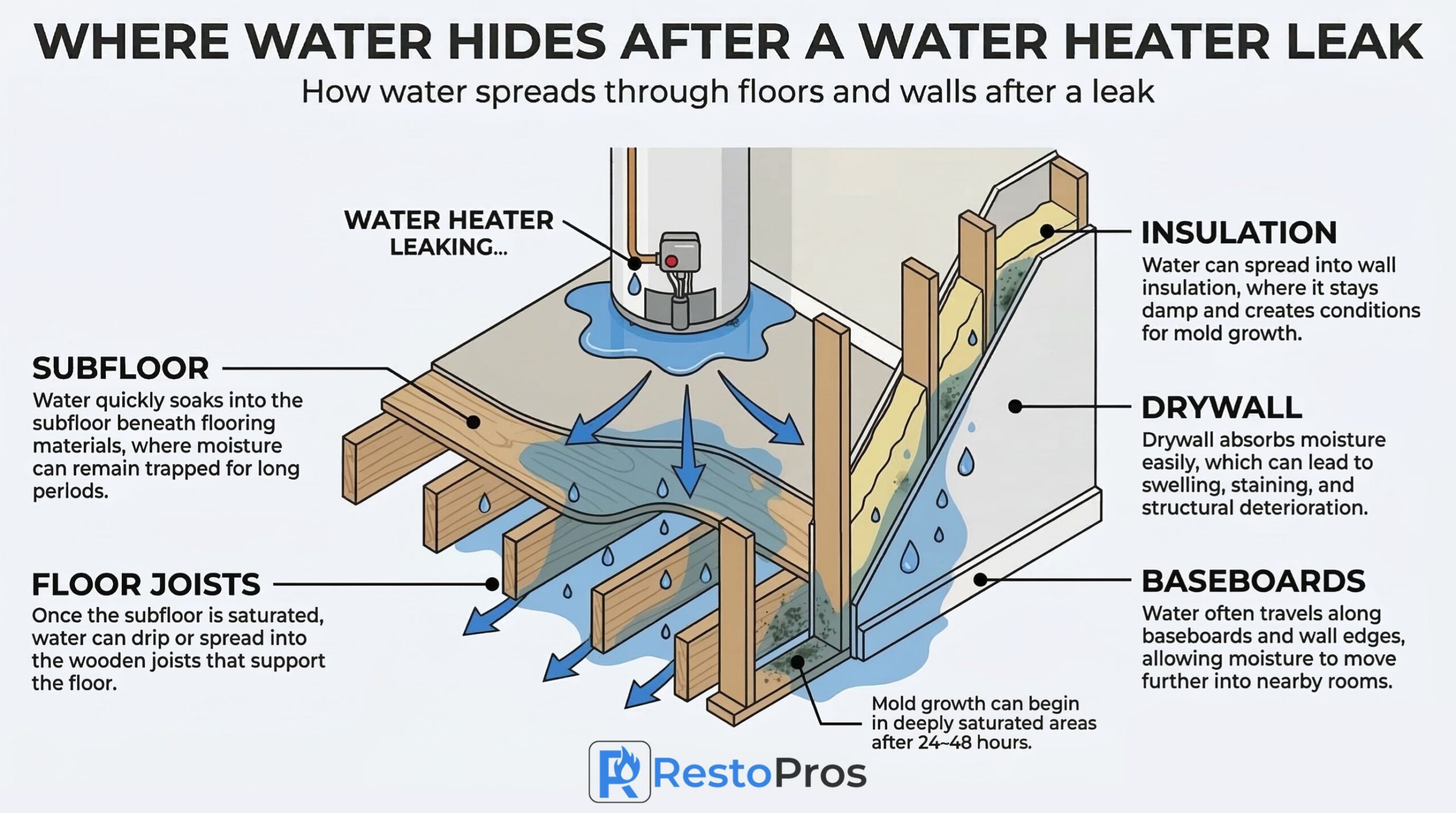
Even a slow leak can cause outsized damage over time. Water travels far from where it starts. It seeps under flooring, into wall cavities, and behind baseboards. By the time you see visible damage, moisture has often been sitting in hidden areas for days.
According to the EPA, mold can begin growing within 24 to 48 hours of water exposure. Here is what a leaking water heater can lead to if water is not extracted and dried quickly:
- Warped or buckled hardwood floors and subfloor damage
- Mold growth starts within 24 to 48 hours
- Deteriorating drywall and insulation in nearby walls
- Structural damage to floor joists if water reaches the framing
- Permanent staining and odor if materials absorb standing water
A temporary fix, like placing a paper towel under a slow drip or mopping up a puddle, does not stop the water that has already soaked into your subfloor. That hidden moisture is where the real damage builds.
The IICRC S500 Standard outlines how quickly water migrates through building materials and why professional drying equipment is necessary to reach moisture that household fans simply cannot.
When to Call a Restoration Pro After a Water Heater Leak
A professional plumber fixes the heater. A restoration company handles what the water left behind. Those are two separate problems that require two separate professionals.
Call a restoration professional any time you see:
- Water is spreading across the floor in any amount
- Wet carpet, wet drywall, or discoloration on walls near the heater
- A musty smell that does not go away after cleanup
- A tank failure that released a large volume of water
- Damage near a finished basement, living space, or bedroom
The size of the leak does not always predict the size of the damage. Even a slow drip from a pressure valve or drain valve that went unnoticed for a week can saturate a wide area of flooring and cause mold underneath.
What a Restoration Company Does When You Call
Restoration professionals handle the water damage that a leaking water heater leaves behind. Here is what the process looks like from start to finish.
1. Rapid Response and Assessment
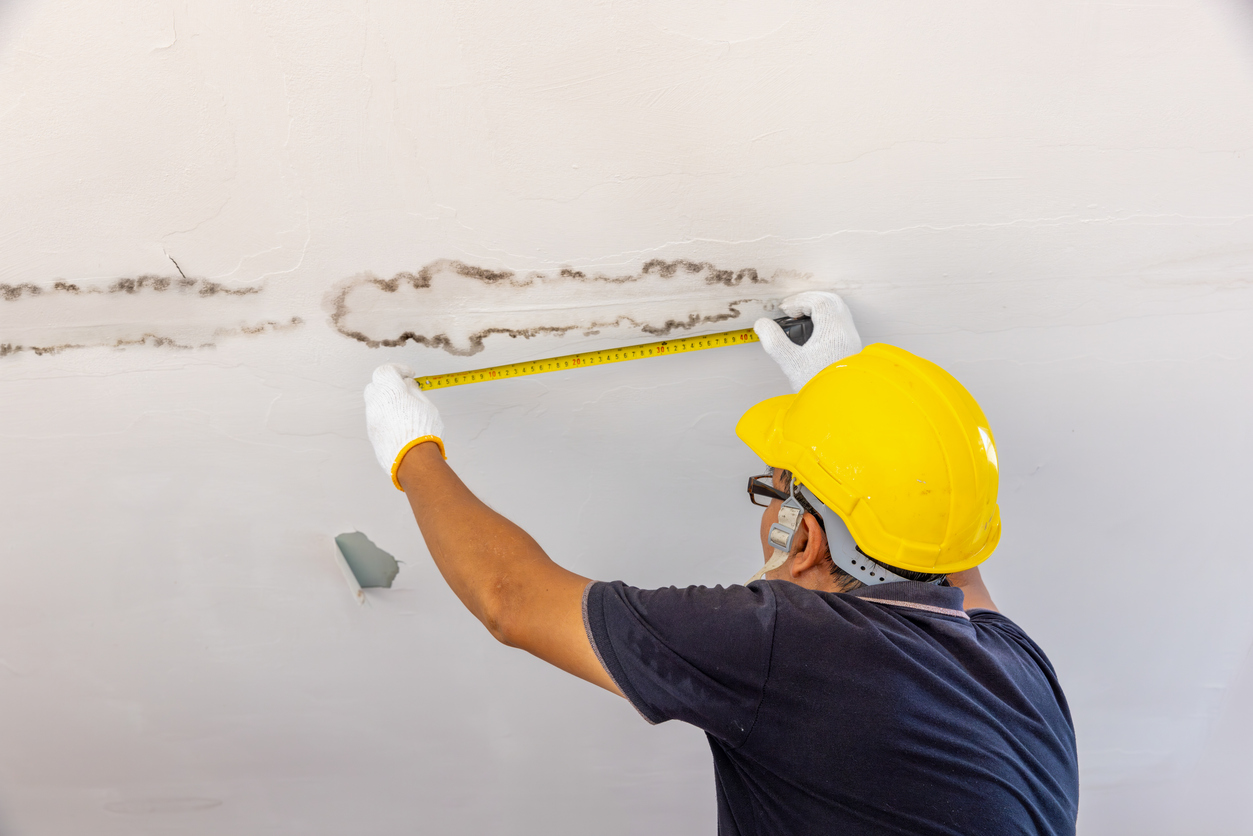
A team arrives fast and assesses the affected area using professional moisture meters. We map exactly where water has traveled, including hidden areas under flooring and behind walls that you cannot see on the surface.
2. Water Extraction
Using industrial-grade water pump systems and extraction equipment, the team removes standing water quickly. This stops water from soaking further into building materials and prevents further damage from spreading.
3. Structural Drying
High-capacity dehumidifiers and air movers are placed throughout the affected area. These run continuously and are monitored daily until moisture readings confirm everything is fully dry. Household fans are not sufficient for this step.
4. Mold Prevention and Remediation
Because mold can begin growing within 24 to 48 hours, mold prevention is built into the drying process. If mold is already present, our team handles full mold remediation to make sure your home is safe before any repairs begin.
5. Rebuild and Repair
Once the structure is completely dry, RestoPros manages the rebuild process. This includes replacing damaged drywall and flooring and completing the finishing work that gets your space back to pre-damage condition. Learn more about our rebuild services.
6. Insurance Documentation Support
RestoPros documents everything throughout the process and works directly with your insurance company, helping you get the coverage you deserve. Learn more about how we support insurance claims.
Does Homeowners Insurance Cover Water Heater Leak Damage?
Coverage depends on your policy and the cause of the leak. According to the Insurance Information Institute, most standard homeowners policies cover sudden and accidental water damage but exclude damage from gradual leaks or deferred maintenance.
Here is a general breakdown of what to expect:
Sudden tank failure causing water damage – Often covered under a standard homeowners policy.
Slow leak ignored over time – Usually not covered. Insurers treat gradual leaks as a maintenance issue.
Water damage to floors, walls, and belongings – Covered if the cause was sudden and accidental.
The cost to replace the water heater itself – Usually not covered. That falls under appliance replacement.
Mold resulting from water heater damage – Covered in many cases if the damage was reported and addressed quickly.
One of the strongest reasons to call a restoration team immediately is documentation. The sooner damage is recorded and reported, the stronger your insurance claim. RestoPros helps with that process from day one.
Do Not Let a Water Heater Leak Turn Into a Bigger Problem
A leaking water heater is a plumbing issue. The water damage it leaves behind is a restoration issue, and those are two very different problems. Once water has spread across your floor, soaked into your subfloor, or reached your walls, mold growth and structural damage can follow fast.
RestoPros understands how stressful it is to discover water damage in your home. Our teams are available 24 hours a day, 7 days a week, and walk you through every step of the restoration process. From water extraction to drying, mold prevention to final repairs, we handle it all so you can get your home back to normal.
If your water heater has caused water damage, do not wait. Contact RestoPros today for a fast, professional assessment. You can also learn more about our water damage restoration services or how our team handles mold remediation to protect your home from the inside out.