
The Short Answer: Pipes burst in winter because water molecules expand by about 9% when they freeze, creating intense pressure inside your plumbing system. When that pressure exceeds what the pipe can handle, it ruptures, often causing extensive water damage throughout your home.
A frozen pipe burst can release hundreds of gallons of water into your property within hours. According to the Insurance Information Institute, water damage and freezing rank among the most common and costly homeowners’ insurance claims in the United States. RestoPros understands how devastating this winter weather emergency can be. Acting fast after a pipe freeze can mean the difference between minor cleanup and costly repairs that disrupt your life for weeks.
The Science Behind Winter Pipe Bursts
How Freezing Causes Pipe Failure
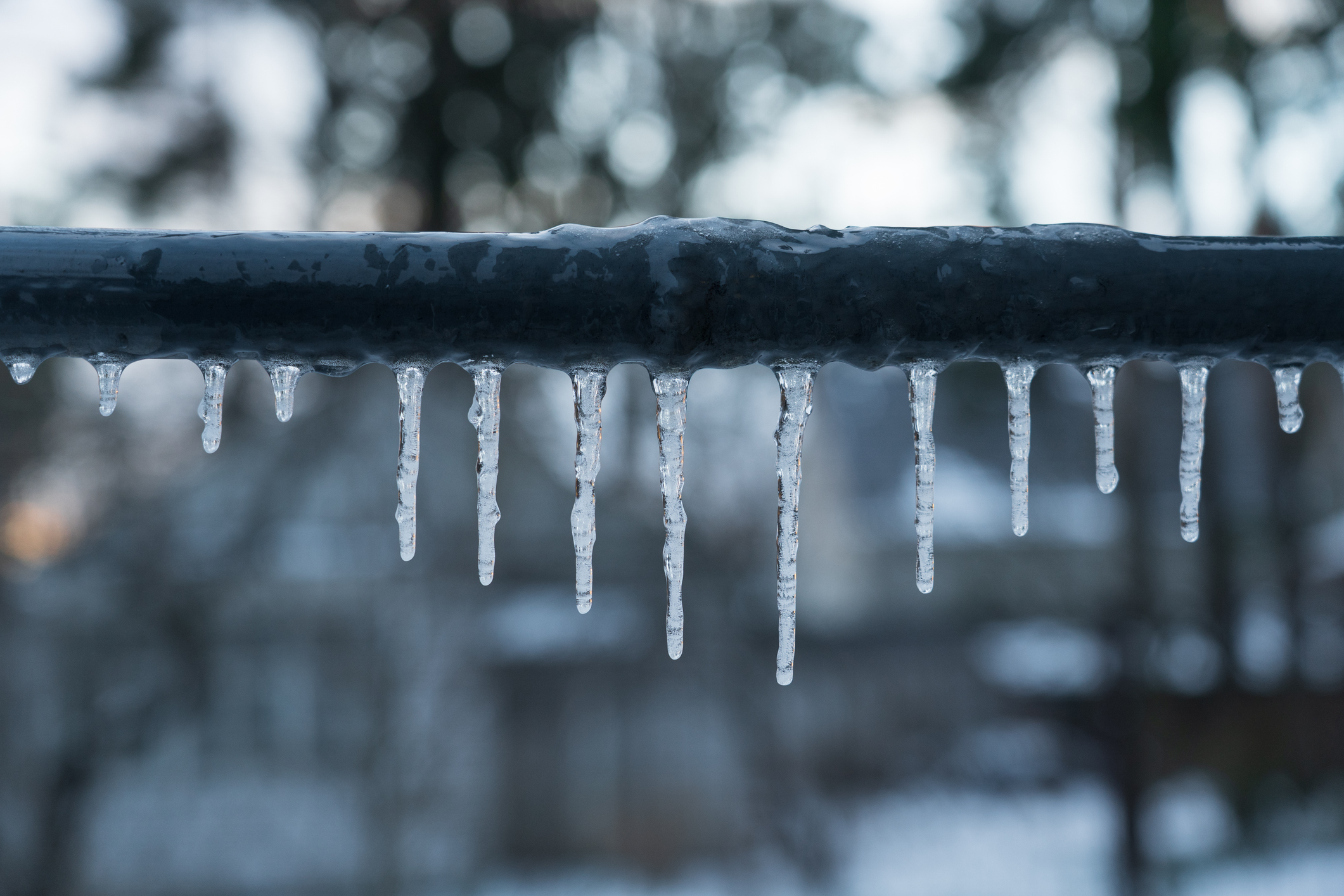
Water behaves differently from most liquids. When the winter temperature drops and water inside your pipes starts to freeze, water molecules expand as they turn to ice. This expansion creates tremendous pressure against the pipe walls.
The ice blockage doesn’t always cause the burst at that exact spot. Instead, pressure builds between the ice blockage and a closed faucet. This trapped water has nowhere to go, and the pipe eventually gives way at its weakest point.
Both copper pipes and plastic pipes can fail under this pressure. While copper pipes are durable, they’re still vulnerable to extreme cold. Older homes with aging plumbing systems face even higher risks during a cold snap.
At What Temperature Do Pipes Freeze?
Pipes typically begin to freeze when outside temperatures fall below 20°F. However, pipes in unheated areas can freeze even when it’s warmer outside. Vulnerable pipes can freeze in as little as six hours of exposure to freezing temperatures.
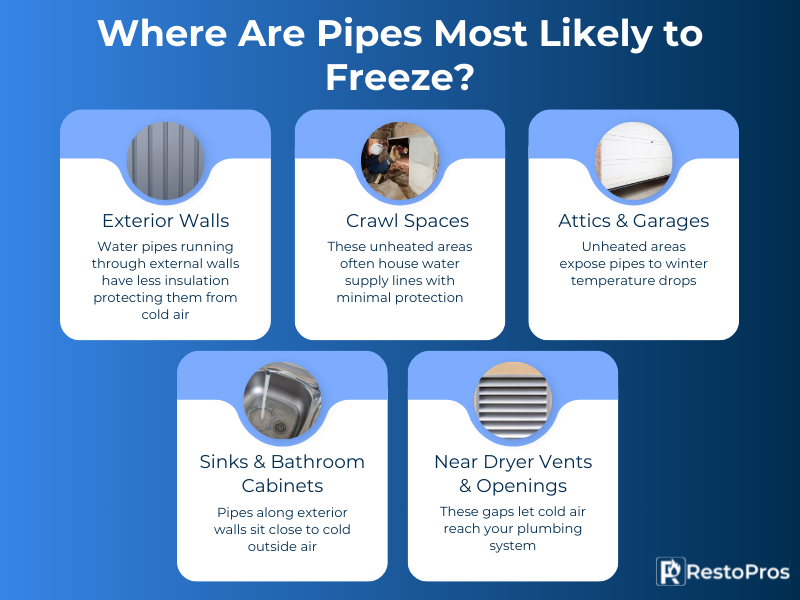
High Risk Locations for Pipes Freezing
Not all pipes face equal risk during the winter months. Some areas of your home leave your water supply more exposed to cold-weather pipe damage.
Warning Signs of a Frozen Pipe
Watch for these indicators that a pipe freeze may have occurred:
- Only a trickle of water comes from the faucets
- Frost visible on exposed pipes
- Strange smells from drains (trapped sewage gases)
- Bulging or cracked pipe sections
- No water from the outside faucet
Prevention Tips for Homeowners
Taking preventative measures before winter weather arrives can reduce your risk of a burst pipe. However, even prepared homeowners can experience pipe failures during severe cold snaps.
Before Winter Arrives
Prepare your home by addressing vulnerable pipes early in the season:
- Disconnect and drain garden hoses from outside faucets
- Have a licensed plumber inspect older homes for aging pipes
- Close interior valves supplying outdoor water lines
- Verify that insulation in crawl spaces and attics remains intact
During Cold Weather
When a cold snap hits, these actions help protect your plumbing system:
- Keep thermostat at 55°F or higher, even when away
- Open cabinet doors under the kitchen sink and bathroom cabinets to let warm air circulate
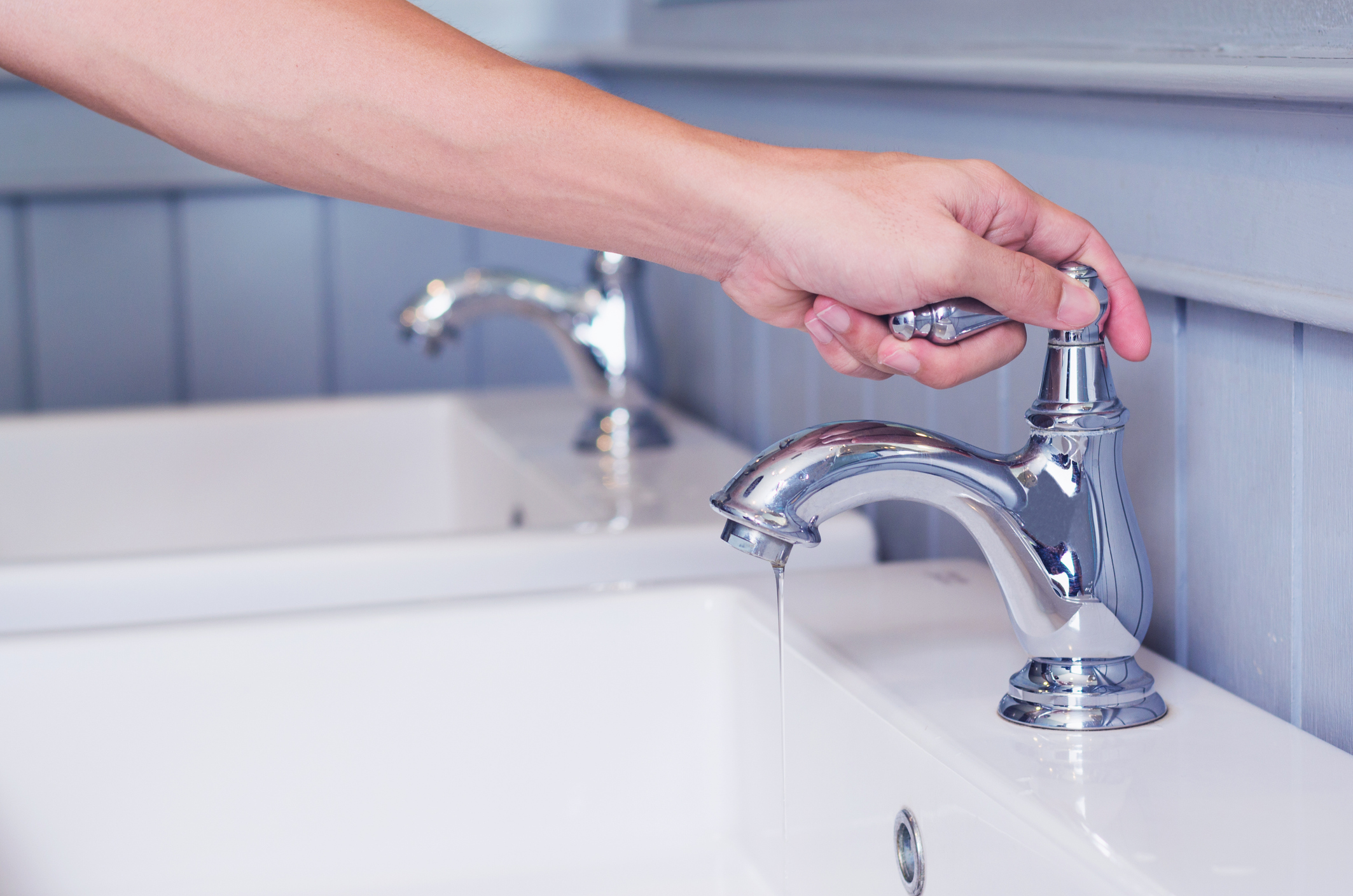
- Allow faucets to drip slightly during extreme cold
- Never use an open flame to thaw pipes (fire and electrical wiring hazards)
- Keep garage doors closed if water supply lines run through the space
Professional Preventative Options
Some homeowners invest in products like heat tape or pipe sleeves for high-risk areas. Others install pipe insulation or upgrade to newer plumbing materials. A licensed plumber can assess your home’s specific vulnerabilities and recommend appropriate solutions.
What to Do When a Pipe Bursts
If a frozen pipe bursts in your home, every minute counts. Fast action limits water damage and reduces the scope of restoration needed.
Immediate Steps
- Shut off the main water supply to stop flooding
- Call RestoPros immediately for assistance
- Turn on faucets to drain remaining water and relieve pressure
- Move valuables and furniture away from affected areas
- Document the damage with photos and video for insurance
- Call a licensed plumber to repair the broken pipe
- Let a restoration professional address water damage
What NOT to Do
Avoid these mistakes that can lead to further potential damage:
- Don’t use a portable space heater near standing water or flammable materials
- Don’t ignore water in walls, ceilings, or floors
- Don’t attempt to use electrical appliances in flooded areas
- Don’t wait to see if water damage “dries on its own”
Water left standing for more than 24-48 hours creates ideal conditions for mold growth. What starts as a burst pipe can become a mold remediation project if water damage isn’t addressed promptly.
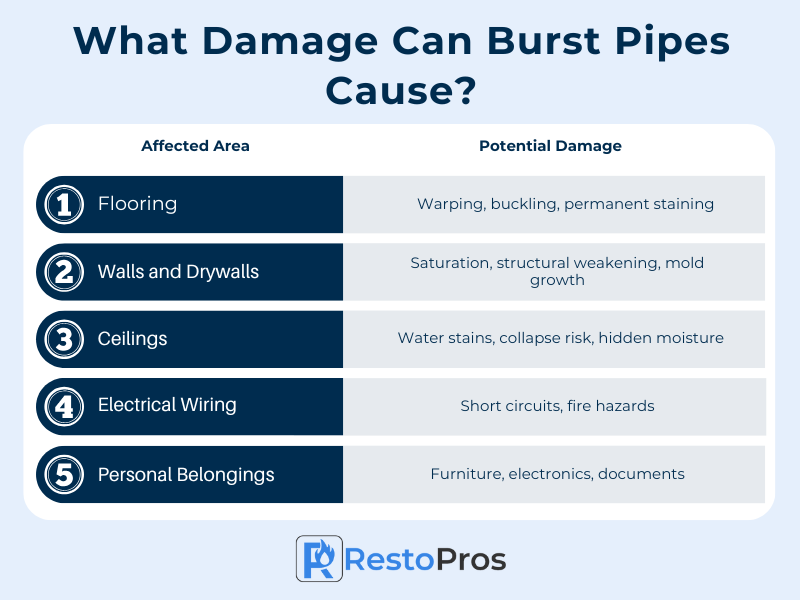
The True Cost of Burst Pipe Water Damage
A burst pipe causes more than plumbing problems. The extensive damage often spreads to:
Don’t Wait Until Winter Weather Turns to Water Damage
When a frozen pipe bursts in cold weather, the resulting water damage demands immediate professional attention. Water doesn’t wait, and neither should you. Within hours, saturated materials begin breaking down. Within days, mold can start growing in walls, under floors, and in crawl spaces.
RestoPros provides 24/7 emergency water damage restoration when you need it most. Our certified technicians use professional-grade extraction equipment, industrial dehumidifiers, and thermal imaging to locate and remove moisture throughout your property. We work directly with your insurance company to document damage and simplify the claims process.
If you’re facing water damage from a burst pipe this winter, don’t face it alone. Contact RestoPros now for immediate assistance. We’re available 24/7 to help restore your home and your peace of mind.