Blog
Types of Storms and the Damage They Cause
The Short Answer: The main types of storms include thunderstorms, winter storms, ice storms, dust storms, and tropical cyclones such as tropical depressions, tropical storms, and hurricanes. Each type produces different damage patterns, and RestoPros responds quickly to the water, wind, and structural damage they leave behind.
Severe weather hits every region of the United States in some form. As a homeowner, the water damage or structural damage left over from a storm can be life-altering. RestoPros professionals work fast to get your property dried, cleaned, and rebuilt. Learning the main storm types helps you spot risk before weather conditions turn, and know who to call once the storm passes.
How Storms Are Classified
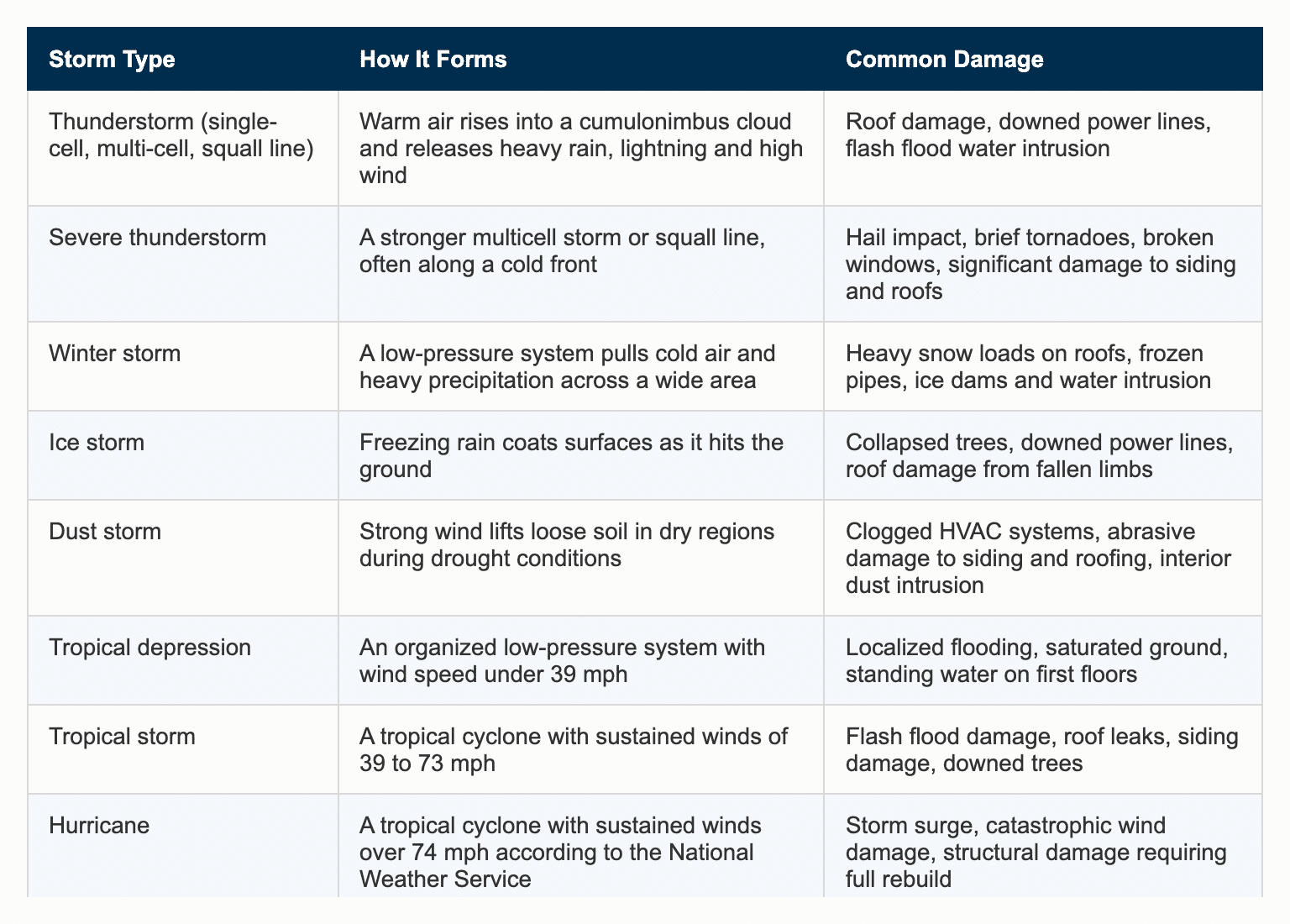
Meteorologists group storms by the weather phenomena that create them and the damage they tend to produce. Some are warm season events driven by rising warm air and water droplets inside a cumulonimbus cloud. Others form in the winter months when heavy snowfall or ice crystals coat an area. Tropical cyclones build over the Atlantic Ocean during hurricane season and move inland with sustained winds and storm surge.
These storm types are some of the severe weather RestoPros teams respond to each year.
Thunderstorms
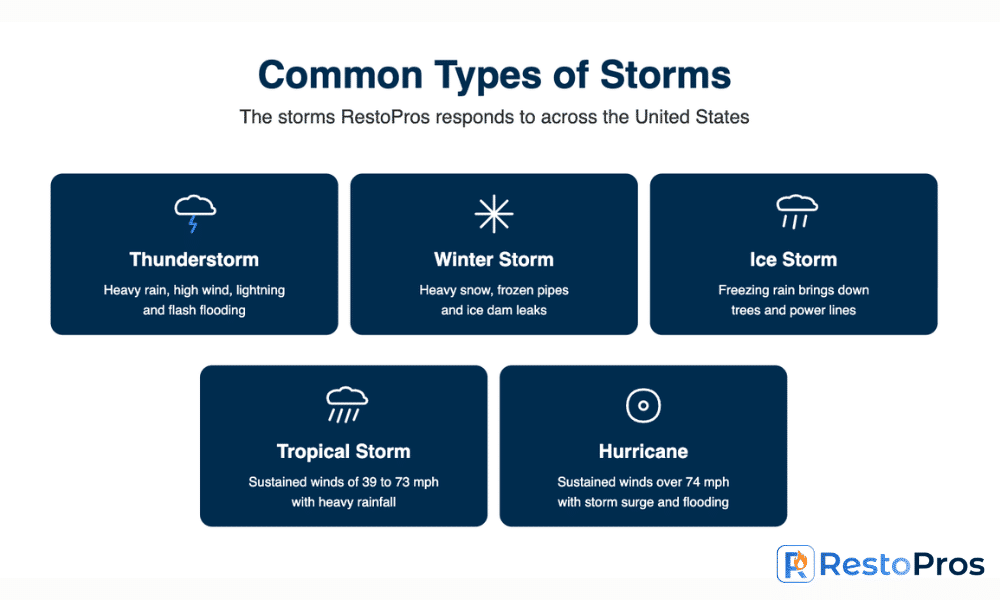
Thunderstorms are the most common severe storm in the United States. A single-cell storm forms, drops heavy rainfall and fades within an hour. A multi-cell storm or squall line can last much longer and sweep across several counties along a cold front.
Common damage from a severe thunderstorm includes:
- Roof shingle loss from high wind
- Water damage from wind-driven heavy rain
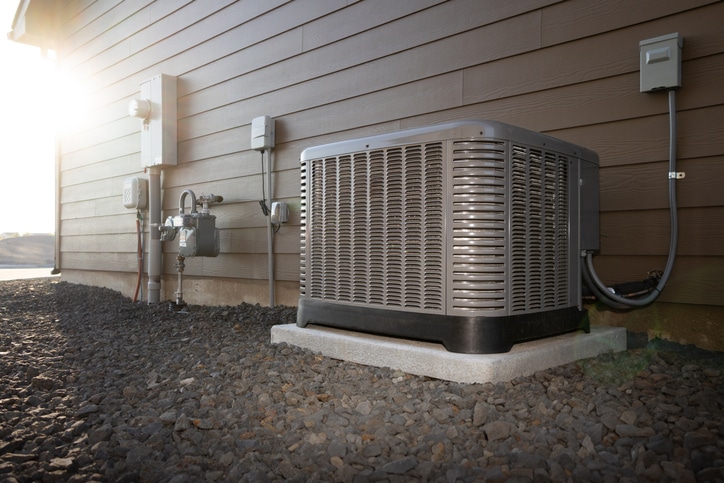
- Hail impact on siding, windows and HVAC units
- Flash flood water intrusion in basements and crawlspaces
RestoPros responds after thunderstorms with water extraction, structural drying, and in some cases, rebuild and reconstruction so secondary damage does not spread.
Winter Storms and Ice Storms
A winter storm forms when a low-pressure system pulls cold air across a region and produces heavy snow or freezing rain. The heaviest snow events can leave a foot or more on roofs in a single day, which stresses rafters and causes ice dams at the eaves. An ice storm coats trees, power lines, and roofs in a layer of ice that can snap limbs and bring utility lines down, putting your home at risk.
Winter storm damage RestoPros often handles includes:
- Water damage from frozen and burst pipes
- Ice dam leaks that soak insulation and drywall
- Roof collapse under heavy snowfall
- Interior water damage
Teams respond quickly to dry the structure, remove damaged materials, and begin the rebuild where framing or roofing has failed.
Tropical Cyclones
A tropical cyclone is the general term for an organized low-pressure system that forms over warm ocean water, usually in the Atlantic Ocean during hurricane season. The National Weather Service classifies these by wind speed.
- Tropical depression: sustained winds under 39 mph
- Tropical storm: sustained winds 39 to 73 mph
- Hurricane: sustained winds 74 mph or higher
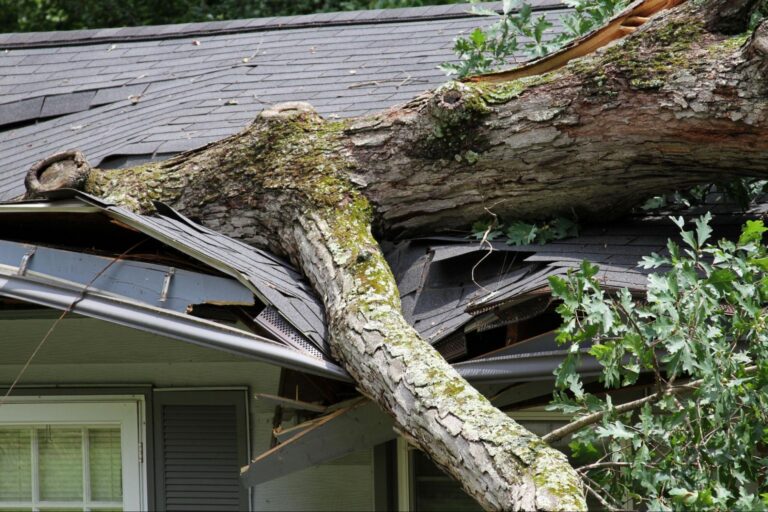
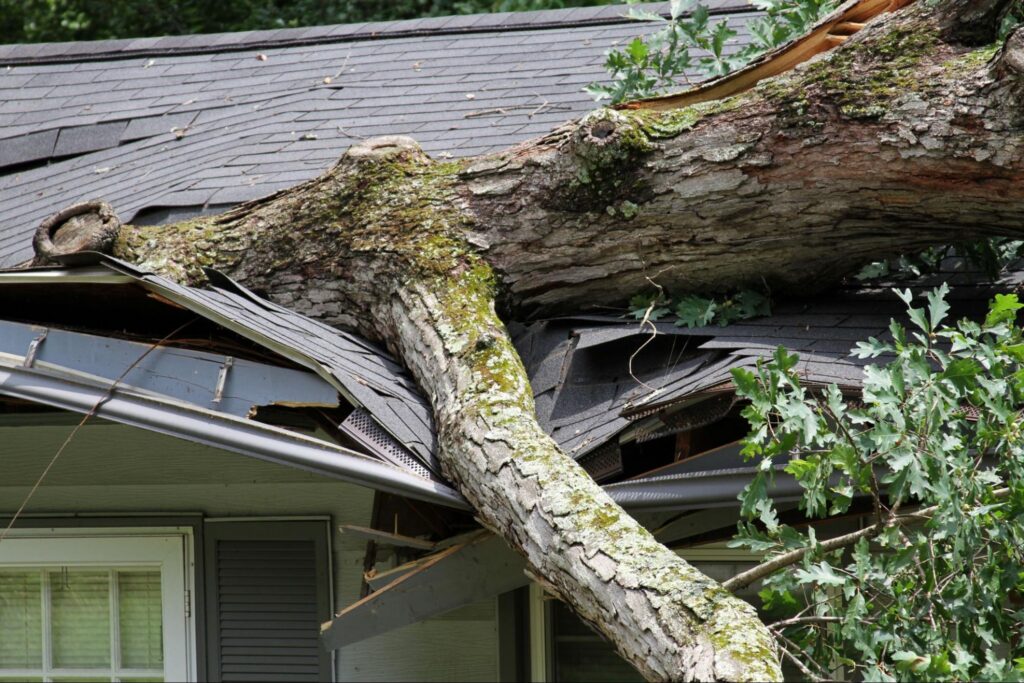
Hurricanes cause the most damage of any type of storm in the United States. Storm surge pushes seawater miles inland, and heavy rain triggers flash flood events far from the coast. High wind can strip roofs, break windows, and bring down trees. In the worst cases, structural damage requires a full rebuild rather than a simple repair.
Act Fast After The Storm
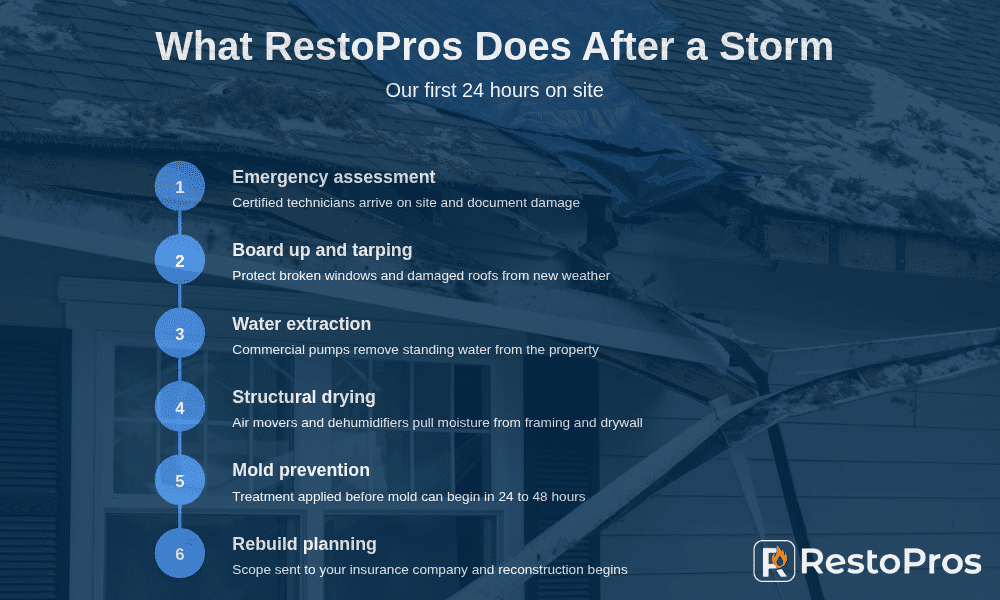
Standing water from a flash flood or storm surge begins to damage building materials within hours. Mold growth can begin within 24 to 48 hours, so a fast response gives you the best chance of preventing further damage.
A quick call also gives adjusters a clean timeline of events, which usually helps the claim move faster. RestoPros documents every affected area with photos, moisture readings, and daily drying logs sent directly to your insurance company.
What RestoPros Storm and Water Damage Services Include
Once the storm passes, RestoPros handles the full recovery under one roof. Teams arrive with truck-mounted extraction units to pull out standing water then set industrial air movers and dehumidifiers to dry the structure. Certified technicians remove any materials that cannot be saved, such as soaked carpet or insulation.
From there, the same crew moves into mold prevention treatments, odor control, and full reconstruction. Every job comes with daily moisture readings, photo documentation, and direct communication with your insurance company so the claim and the repair stay in sync. Visit our water or storm damage pages and the rebuild service page for a closer look at each step.
Trust RestoPros After Any Type of Storm
Severe storms come in many forms, and each one leaves a different kind of damage behind. In each case, the recovery starts the same way: with a trained team on site working to dry the structure and plan the rebuild.
RestoPros responds 24/7 for water and storm damage as well as rebuild and reconstruction. Our certified technicians handle extraction, drying, cleanup, and reconstruction while working directly with your insurance company so you do not have to manage your claim alone. Contact us today or find your nearest location to get help after the next storm.
Frequently Asked Questions
Tropical cyclones, especially hurricanes, cause the most total damage in dollar terms due to storm surge, high winds, and inland flooding. Severe thunderstorms produce more total events each year, so combined hail and wind damage from thunderstorms also adds up to a very large share of claims.
Most standard homeowners policies cover sudden damage from wind, hail, and falling trees. Flood damage from storm surge or a flash flood usually requires a separate flood policy through the National Flood Insurance Program. RestoPros helps you document damage so your claim is handled correctly.
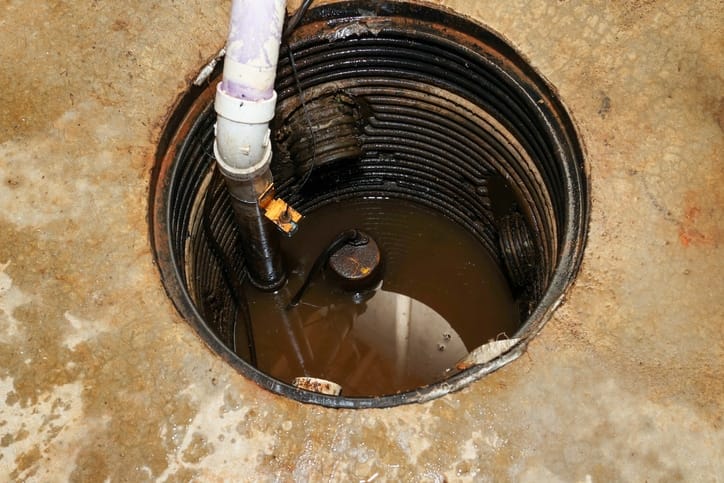
Out through the discharge line to a storm drain, dry well or splash block well away from the house. If the discharge pipe isn’t pitched right or ends too close to the foundation, that same water seeps back in and the pump works on it again.
Our dispatch team collects the basics about the water source, the size of the affected area and the type of flooring involved. A certified crew is then sent to your property with the equipment needed to begin extraction and the drying process. Our teams are available 24/7 for emergencies.