




You don’t have to handle it alone. Call us any time, day or night, and let’s figure out next steps together.
Blog
Water Damage Prevention: Expert Tips to Protect Your Home
The Short Answer: Water damage prevention starts with identifying risk factors like aging appliances, plumbing weaknesses, and flood-prone areas, then addressing them before they fail. When prevention falls short, a fast professional response keeps a small leak from turning into a major property damage event.
Water damage hits more homes than almost any other type of property damage. A burst pipe, a failed water heater, a heavy rain event, or a slow leak behind a wall can all trigger thousands of dollars in repairs. The good news is that most water damage is preventable when homeowners catch warning signs early and bring in professionals to assess weak points.
Common Causes of Water Damage
Water damage rarely shows up out of nowhere. Most cases trace back to a few familiar sources.
Plumbing Failures Inside the Home
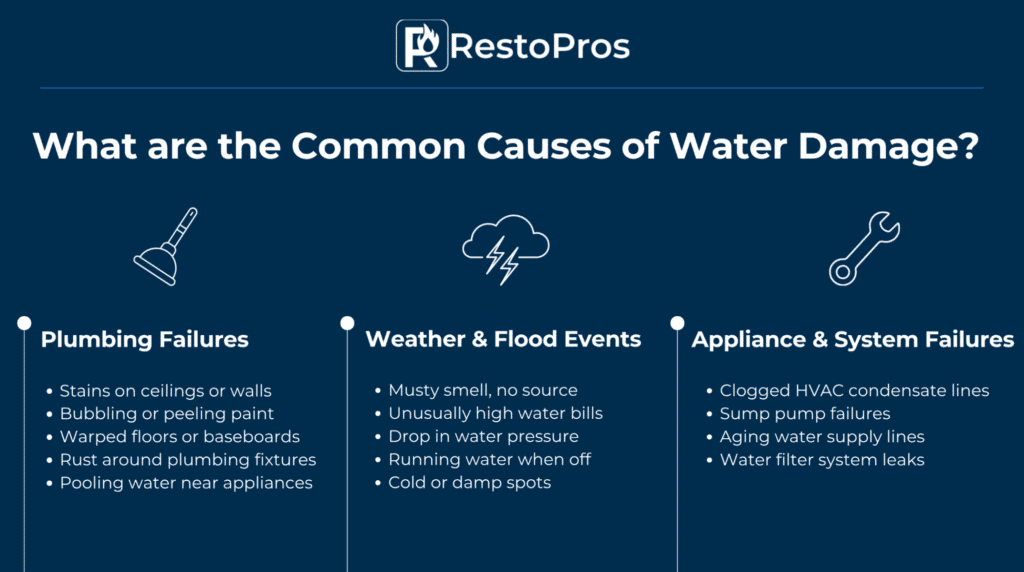
The plumbing in your home is one of the most common sources of water damage:
- A burst pipe from freezing temperatures or aging materials
- Slow leaks under sinks or behind toilets
- A failed water heater (most last 8 to 12 years)
- Washing machine supply line breaks
- Dishwasher hose failures
- Refrigerator water line leaks
Even a small drip can cause major property damage when it goes unnoticed for weeks.
Weather and Flood Events
Outside the home, weather creates a different type of risk:
- Heavy rain overwhelming gutters and downspouts
- Flood waters from rising rivers or storm surge
- Snowmelt seeping into basements
- Roof damage from hail and wind letting water in
- Foundation cracks pushing groundwater inside
Homes in flood-prone areas, special flood hazard areas, or near stream channels face higher flood risk year-round.
Appliance and System Failures
Major appliances and home systems can fail without warning:
- HVAC condensate line clogs
- Sump pump failures during heavy rain
- Aging water supply lines
- Water filtration system leaks
Warning Signs of a Water Problem
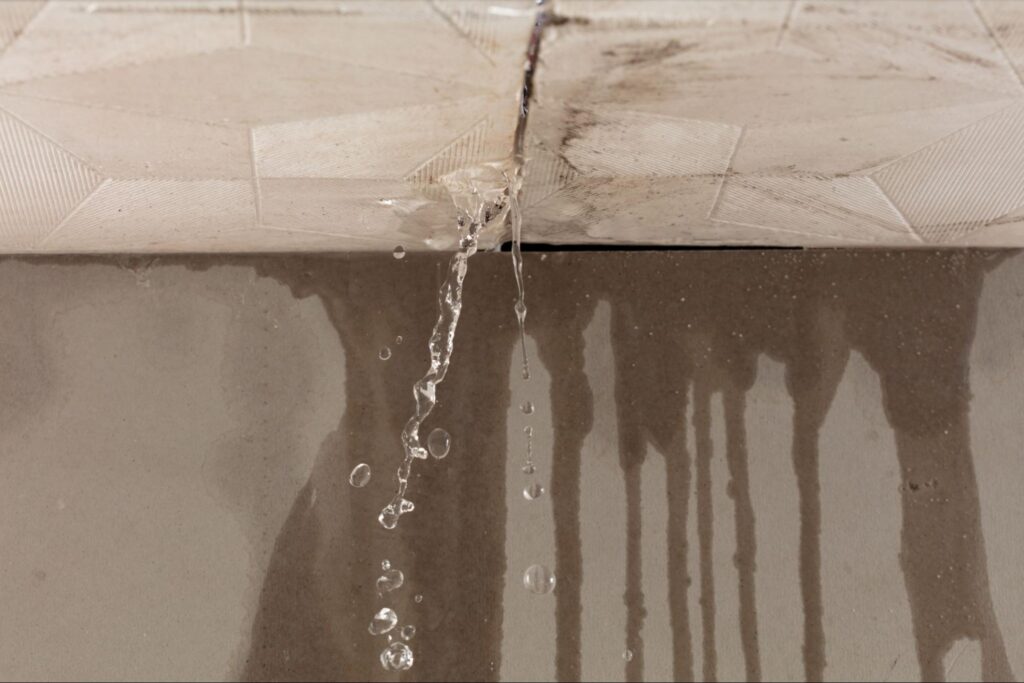
Catching water damage early limits the cost of repairs. Here are common signs of leaks and water issues to watch for.
Visible Signs
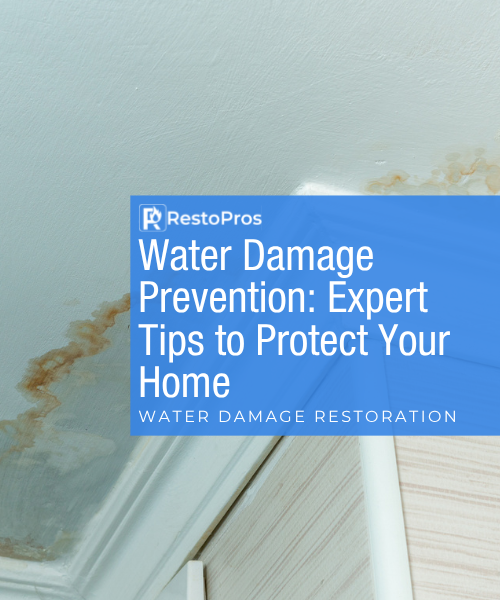
- Water stains on ceilings or walls
- Peeling paint or bubbling drywall
- Warped flooring or buckling baseboards
- Rust around plumbing fixtures
- Pooling water near appliances
Hidden Signs
- A musty smell with no visible source
- Higher than usual water bills
- Drop in water pressure
- Sounds of running water when fixtures are off
- Cold or damp spots on walls or floors
If you notice any of these, time matters. The longer water sits, the higher the risk of mold growth, which can begin within 24 to 48 hours.
How Professional Assessment Helps With Water Damage Prevention
Many homeowners do not know how at risk they are until water damage has already happened. A professional assessment looks beyond what is visible.
What a Professional Inspection Covers
- Hidden moisture in walls, floors, and ceilings
- Aging plumbing connections and supply lines
- Sump pump condition and battery backup readiness
- Water heater age and corrosion
- Foundation cracks and potential entry points
- Roof and gutter performance during heavy rain
- Crawl space and basement humidity levels
Why This Matters
Insurance companies separate sudden water damage from gradual issues. Most insurance policies cover sudden events but exclude long-term leaks. A professional inspection catches the slow problems before they become the kind of damage your insurance will not cover.
Flood Insurance and Coverage Basics
Standard homeowners insurance does not cover flood damage from rising water. That is a common surprise after a flood event.
What Standard Homeowners Insurance Usually Covers
- Burst pipes and sudden plumbing failures
- Water damage from a roof breach during a storm
- Appliance leaks (subject to maintenance exclusions)
- Sewer backups if you carry that endorsement
What Standard Homeowners Insurance Usually Does NOT Cover
- Flood damage from heavy rain runoff or rising water
- Gradual leaks attributed to lack of maintenance
- Damage to a sump pump itself (without additional coverage)
- Mold caused by long-term moisture issues
When to Consider Flood Insurance
If your home sits in a special flood hazard area as shown on the flood insurance rate map, your mortgage lender likely already requires flood protection. Even outside those zones, the National Flood Insurance Program reports that a large share of flood losses happen in lower-risk areas. Flood insurance through the National Flood Insurance Program or a private carrier covers what standard insurance leaves out.
Steps to Reduce Water Damage Risk in Your Home
Reducing water damage risk takes regular attention and the right professional support.
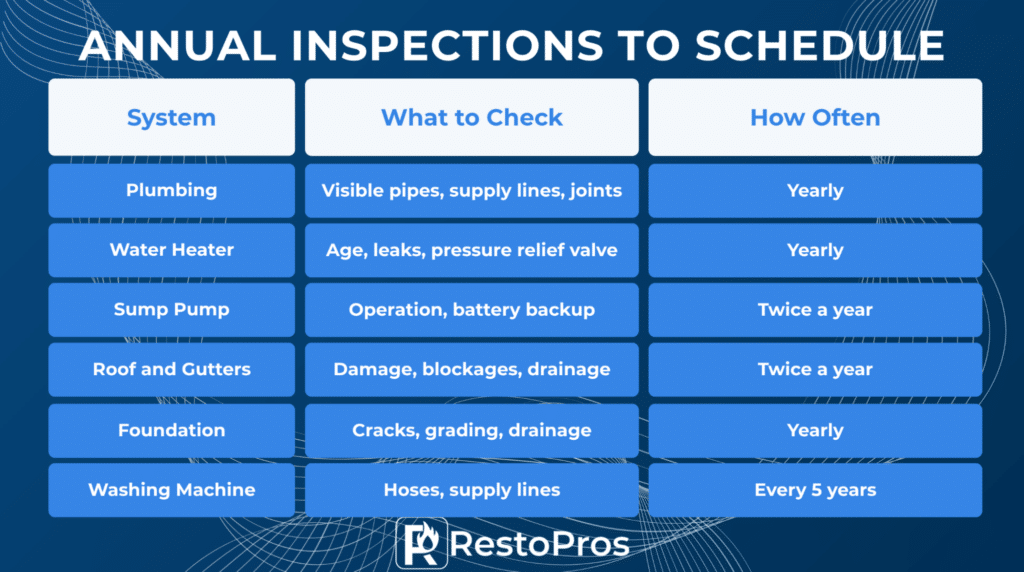
Smart Upgrades Worth Considering
- Whole-home water leak detection systems
- Automatic shutoff valves on the main water supply
- Battery backup for sump pumps
- Frost-proof exterior faucets in cold climates
- Pipe insulation in unconditioned spaces
What to Do Before You Travel
- Shut off the main water supply if leaving for more than a few days
- Have someone check on the home during long absences
- Set indoor temperatures above 55 degrees in winter
When Water Damage Happens, Time Matters
Even with strong damage prevention measures in place, water damage can still happen. When it does, a fast response limits the loss.
Why Speed Changes Everything
- Water spreads through porous materials within minutes
- Drywall, flooring, and insulation begin to swell within hours
- Mold can begin growing within 24 to 48 hours
- Building materials weaken the longer they stay wet
What Professional Water Damage Response Looks Like
A trained restoration team handles every step of the recovery:
- Emergency water extraction with commercial-grade pumps
- Moisture mapping to find hidden water
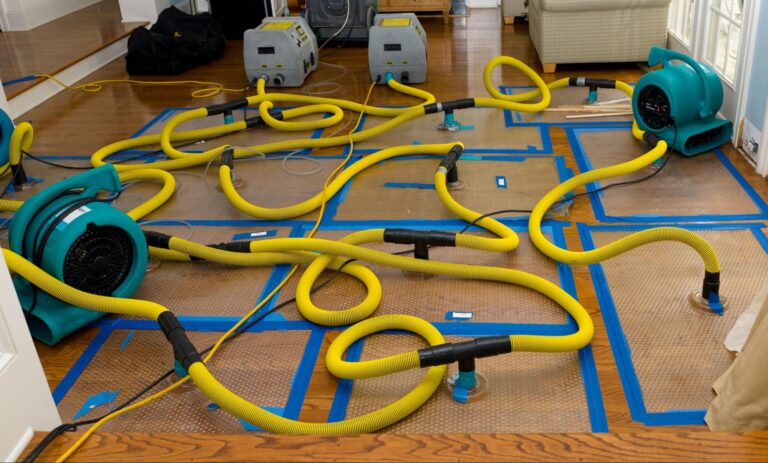
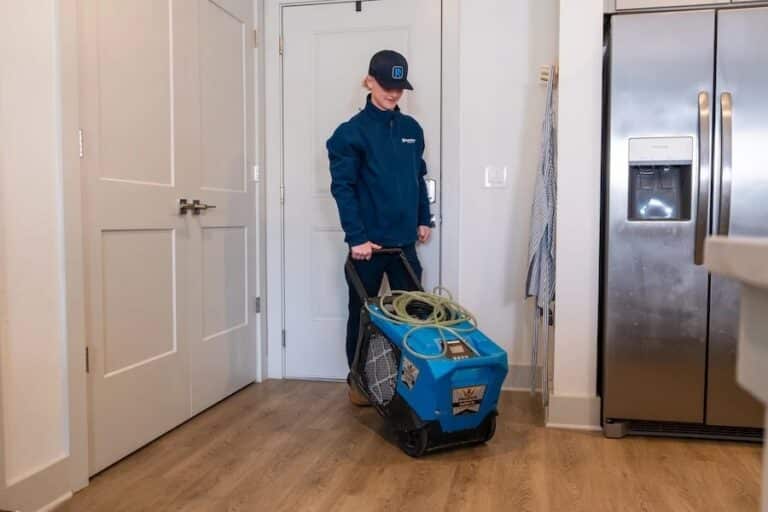
- Industrial drying with air movers and dehumidifiers
- Daily moisture readings to track progress
- Antimicrobial treatment to prevent mold
- Documentation for your insurance claim
- Rebuild services to restore the property to pre-loss condition
This is where calling a professional restoration company within hours of discovery makes the biggest difference in the final cost.
Don’t Let Water Damage Catch You Off Guard
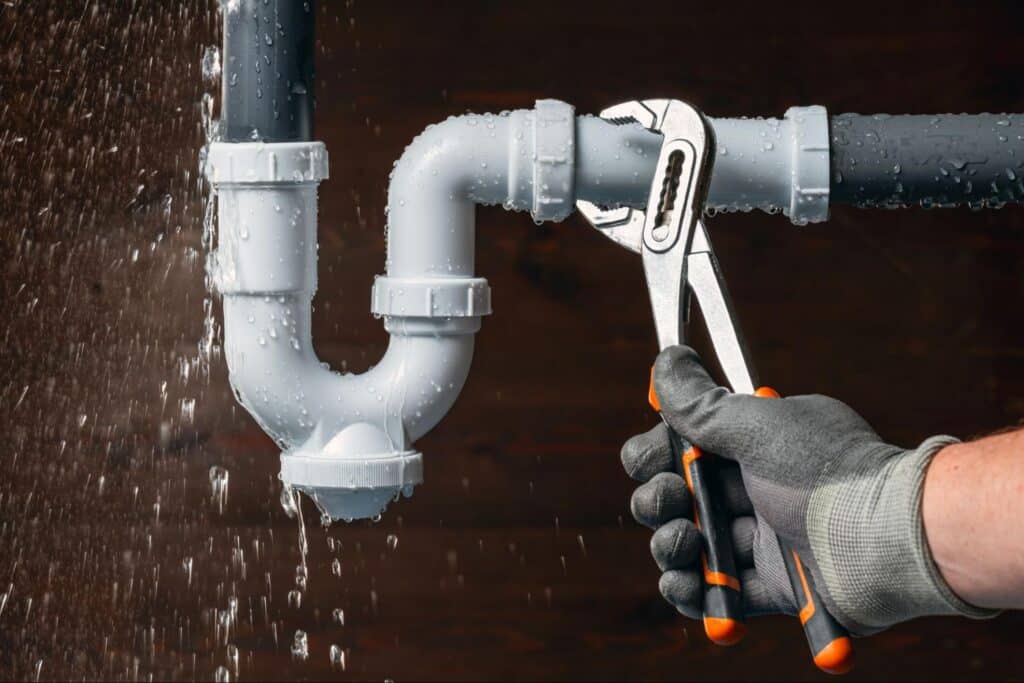
Water damage prevention is about knowing your home’s weak points and acting on them before a small problem becomes a major one. Aging appliances, plumbing failures, heavy rain, and flood waters all create significant risk for property owners. Watching for signs of leaks, scheduling regular inspections, and reviewing your insurance policy keep you ahead of the damage.
When prevention falls short, a fast professional response is what separates a minor cleanup from major property damage. RestoPros’ certified technicians handle every step of the recovery process, from emergency water extraction through rebuild, while working directly with your insurance company along the way. Don’t wait until a leak turns into a flood. RestoPros is available 24/7 for emergency water damage and storm damage response. Contact us now for a fast assessment and a clear path to a dry, restored home.