Blog
Preparing for Natural Disasters: Protect Your Home & Loved Ones
The Short Answer: Disaster preparedness means knowing your local risks, strengthening your home, making a family emergency plan, and packing an emergency kit before severe weather hits. When a natural disaster still causes damage, RestoPros restores your home 24/7.
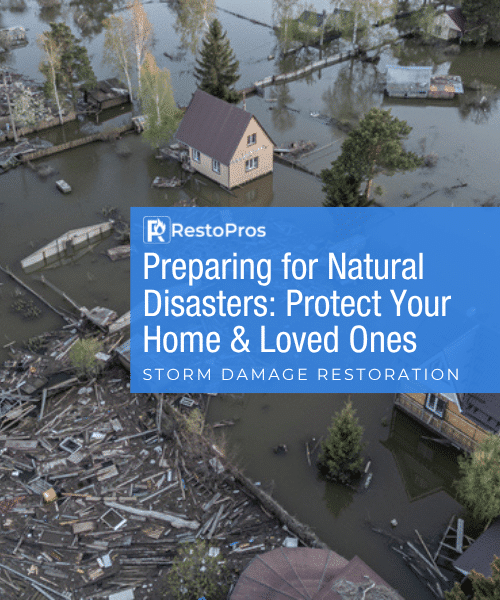
A natural disaster gives little warning, and every region of the United States faces some level of risk, from hurricanes and flood water to wildfires and winter storms. Extreme weather can knock out essential services and damage critical infrastructure in a matter of hours. Preparing ahead is what protects your family and your home.
If the worst happens, you won’t face the aftermath alone. RestoPros helps homeowners and small business owners recover after water damage, mold, fire, and storm debris, bringing in the tools, technicians, and experience to restore your property fast. This guide covers how to prepare before disaster strikes, and how we help when it does.
Identify Potential Risks and Assess Your Home’s Vulnerabilities

The first step in disaster preparedness is understanding the specific risks in your area. Different regions face different threats, and identifying these risks allows you to focus your efforts where they’ll have the most impact.
Start by researching local hazards. Use resources such as FEMA (Federal Emergency Management Agency), NOAA (National Oceanic and Atmospheric Administration), and your local emergency management offices to understand the most common disasters in your region, such as hurricanes, flooding, tornados, or wildfires. Local officials and emergency personnel can also point you to area-specific guidance.
Your region’s climate plays a big role in the types of disasters you might face, and climate change has made some extreme weather events more frequent. For example, if you live in an area prone to hurricanes, make sure you’re prepared for high winds and flood water. For those in wildfire-prone areas, it’s essential to clear brush and create a defensible space around your home. This kind of hazard mitigation, paired with understanding the specific threats in your area, allows you to take the necessary steps to protect your property.
Secure & Strengthen Your Home: Protect Against the Elements
Securing your home is one of the most effective ways to prepare for a natural disaster. By reinforcing key areas, you can minimize potential damage and give your family better protection.
Structural Considerations
Start with reinforcing your roof. High winds can lift a poorly secured roof, so it’s important to make sure it’s properly reinforced. Installing storm shutters is essential, especially if you’re in a hurricane zone. These protect your windows and doors from flying debris. Impact-resistant windows and doors are a great investment in areas prone to severe weather.
Landscaping Considerations
Regularly trim trees, remove dead branches, and clear gutters and drains to prevent water damage during heavy rain. Trees and branches can become projectiles in high winds, so keeping them well-maintained can make a big difference. If you live in a wildfire-prone area, it’s important to maintain a defensible space by clearing brush and other flammable materials around your home.
Flooding Considerations
If you live in a flood-prone area, consider elevating your home or installing flood barriers to protect the foundation. Make sure your sump pumps are functional and have a backup power source to keep them running during power outages.
Earthquake Considerations
If you’re in an earthquake zone, securing heavy furniture and appliances to the walls is crucial to prevent tipping. You might also want to retrofit your home’s foundation so it can handle the shaking.
Hurricane Considerations
For hurricane-prone areas, storm shutters are a must, and reinforcing the roof with roof straps helps prevent uplift during high winds.
Wildfire Considerations
Clear brush, leaves, and other flammable materials from around your home. Also consider using fire-resistant materials for your roofing and siding.
Tornado Considerations
If you live in a tornado-prone area, make sure your home has an emergency shelter or storm cellar, and reinforce exterior walls to minimize damage during high winds.
Backup Power
Power outages during natural disasters are common. Installing a generator will give you electricity when you need it most. Run any generator outside and away from windows, since the carbon monoxide it produces can be deadly indoors. Regularly maintaining the generator keeps it ready for use when necessary.
Insurance Coverage Review
It’s important to review your homeowners insurance policy to confirm it covers natural disasters like floods, hurricanes, and wildfires. Many homeowner policies don’t include flood damage, so you might need separate flood insurance if you’re in a high-risk area. Talk with your insurance agent about the right insurance coverage for your risks. Keep your insurance policy with you and have all updated contact information and telephone numbers on hand.
Create an Emergency Plan for Your Family
Having a family emergency plan in place ensures that everyone knows exactly what to do when a disaster strikes. This plan will reduce stress and confusion during a critical time and help your family stay safe. Designate a safe place to meet outside your home where everyone can gather in case of evacuation. Every one of your household members must know how to reach that location, whether by car or on foot.
Consider Unique Needs/Challenges
If any family members or community members need extra assistance, whether they have medical conditions, special needs, mobility issues, or are elderly, make sure their needs are factored into your plan. Don’t forget your pets, either. Be sure to include them in your evacuation and shelter plans.
Build an Evacuation Plan
Map out several evacuation routes in case one is blocked by debris, flooding, or other hazards. Practice each evacuation route with your family regularly, so everyone is familiar with where to go in an emergency. Each type of disaster may require a different route, such as flooding, wildfire, or a hurricane, so plan accordingly.
Assemble Your Emergency Kit: Be Ready for Anything

An emergency kit is essential for surviving a disaster. A well-stocked set of emergency supplies means you have everything you need to stay safe and comfortable when disaster strikes. Some families keep separate emergency supply kits in the home and in the car.
Your kit should include basics like bottled water (one gallon per person per day for at least three days), non-perishable emergency food, a flashlight, extra batteries, and a first-aid kit. Add sturdy shoes and protective equipment in case you have to move through debris. These items will keep you going if you’re stranded or forced to shelter in place.
In addition to these basics, include important documents in a waterproof container, such as copies of your ID, insurance policies, and medical records. This is crucial if you need to evacuate quickly and need proof of identity or insurance.
If you have a baby, pack infant formula, bottles, and diapers. Medications and medical supplies should be included too. Make sure you have enough prescription medications to last at least a week, and pack any over-the-counter items your household members may need.
Other items include cash, since power outages and a loss of internet access can shut down card readers, plus hygiene products and clothing. Having these on hand means you won’t be left scrambling for necessities when you need them most.
Stay Informed: Monitor Alerts and Weather Reports
Staying informed is one of the best ways to make quick, effective decisions during a disaster. The more you know, the better equipped you are to respond appropriately.
Sign Up for Emergency Alerts
Local emergency alert systems provide real-time notifications on weather conditions, evacuations, and other emergencies. Wireless emergency alerts also reach most cell phones automatically from authorized senders. Sign up for these emergency alerts to receive timely updates during disasters, and keep a list of emergency contacts handy in case you need help.
Monitor Weather Reports
Regularly check weather reports and hurricane watches, especially during hurricane season, a winter storm, or other periods of extreme weather. Make sure you know if severe weather is coming so you can take precautions in advance. FEMA, NOAA, and local news outlets are reliable sources during an emergency. They provide critical updates on everything from evacuations to shelter locations and road closures. During a major disaster, emergency responders and local officials share instructions through these same channels.
Trust RestoPros When Disaster Strikes

Emergency preparedness matters, but even careful plans can’t always prevent damage. Hurricanes, wildfires, floods, and storms can cause widespread destruction in hours. When that happens, you need more than cleanup. You need a team that understands the urgency and the work of putting your life back together. That’s where RestoPros comes in.
With years of experience in disaster restoration, RestoPros is your trusted partner in recovery. From the moment you contact us, our team moves quickly to assess the damage, secure your property, and start the restoration process. We’re available 24/7, so you’re never left waiting when every second counts.
Here’s how we help after disaster strikes:
- Water Damage: Our technicians use professional-grade equipment to extract water, dry structures, and prevent mold growth.
- Fire Recovery: We remove soot, eliminate odors, and restore affected structures and belongings.
- Storm Damage: Count on us for emergency board-up, roof tarping, and rebuilding services.
When disaster turns your world upside down, we don’t just restore your house. We help rebuild the place your family calls home.
Frequently Asked Questions
The three-day minimum is a starting point, not a ceiling. For events that cut off roads or power for a week or more, aim for two weeks of water and non-perishable food per person when you have the space. Rotate the supply every six months so nothing expires before you need it.
Shut off your utilities if officials advise it, unplug electronics to guard against surges, and move valuables and important documents to the highest floor. Lock up, take your emergency kit and pets, and leave early rather than waiting for conditions to worsen. A few minutes of prep at the door can save thousands in preventable damage.
It depends on the threat. Gas should be shut off if you smell a leak or expect flooding, since a damaged line is a serious hazard. Only turn gas back on with a professional, never yourself. Water and electricity are worth shutting off before a flood to limit contamination and electrical risk.
Keep a battery-powered or hand-crank radio in your kit so you can still receive emergency broadcasts. Write down key phone numbers on paper in case your phone dies, and agree on an out-of-area contact everyone in the family can check in with once service returns.
Document everything before you touch it. Photograph and video the damage for your insurance claim, then watch for hazards like standing water, downed lines, and weakened floors or ceilings. Call your insurer and a restoration team early, since water and mold damage worsen the longer they sit.