Blog
What to Do After a House Fire: A Complete Checklist
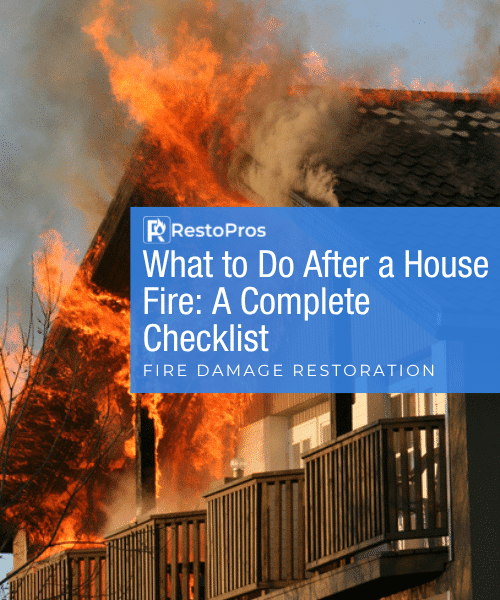
The Short Answer: After a house fire, wait until the fire department says your home is safe, then call your insurance company to start a claim and arrange temporary housing. Document everything, avoid the damaged structure, and bring in fire damage restoration professionals before the smoke and water damage gets worse.
A house fire is one of the hardest things a family can go through. Once the flames are out, you are left with smoke damage, water damage from firefighting, and a long list of decisions while you are still in shock. Knowing the right steps protects your safety, your insurance claim, and your ability to recover quickly.
Your House Fire Checklist at a Glance
Here is the order to work through after a fire:
- Stay safe and out of the home until cleared
- Call your insurance company to start a claim
- Find temporary housing for your family
- Document the damage for your insurance claim
- Secure the property from the weather and theft
- Call fire damage restoration professionals

Step 1: Put Safety First
Your family’s safety comes before anything else. A home that looks stable after a fire can hide serious structural damage, and fires can reignite from hot spots hours later.
Do Not Re-Enter Until Cleared
Stay out of the home until the local fire department or fire authorities say it is safe to go back in, advice echoed by FEMA. A burned structure can have weakened floors, a damaged roof, and broken windows that make entry dangerous.
Watch for Hidden Hazards
Even after a fire is out, the property can hold serious risks:
- Toxic fumes and lingering smoke that cause smoke inhalation
- Electrical outlets and wiring that may still be live
- Structural damage to walls, stairs, and ceilings
- Potential hazards from soot, ash, and contaminated water
Leave gas and electrical shutoff to the fire department or your utility company. Restoration professionals enter with protective gear and take necessary precautions that a property owner should not attempt alone.
Step 2: Contact Your Insurance Company
Call your insurance company as soon as your family is safe. Starting the claim early gets an insurance adjuster assigned and the recovery process moving.
When you reach your insurance agent or provider, ask about:
- Your insurance policy coverage for fire damage and smoke damage
- Additional living expenses that help pay for temporary housing and other costs
- The claims process and what documentation they need
- Approved restoration companies that they work with
Most homeowners’ insurance policies include additional living expenses, which can cover temporary shelter, food, and other costs while you are displaced. Confirm what your insurance coverage allows before you spend.
Step 3: Arrange Temporary Housing
If your home is not safe to live in, you need a place to stay right away. A few options can provide immediate assistance:
- A family member or friend who can take you in the short term
- Homeowners’ insurance, which often covers a hotel or rental through additional living expenses
- The American Red Cross, which helps families find temporary shelter after a fire
- The Salvation Army, which offers similar emergency support
Keep receipts for every expense tied to the fire, since your insurance provider may reimburse lodging, food, and other additional living expenses under your policy. Some policies can also help with mortgage payments while you are displaced, so ask your insurance agent what applies.
Step 4: Document Everything
Good documentation protects your insurance claim. Do not throw away any damaged household items or personal belongings until you have a record of them and your insurance company says it is okay, a step the American Red Cross also recommends.

What to Document
- Photos and video of all visible fire damage, smoke damage, and water damage
- A list of damaged personal items with rough values, where you can
- The fire report from your local fire department, which insurers often require
- Receipts for any fire-related spending
A professional restoration team helps here, too, documenting the full extent of damage in a format your insurance adjuster understands. Thorough records often decide how smoothly and quickly your claim moves.
Step 5: Protect What You Can
Once the fire department clears the property, your homeowners’ insurance may require you to prevent further damage. New damage that happens after the fire is not always covered.
Steps that limit further loss include:
- Boarding up broken windows and open doors to block the weather and theft
- Covering roof openings so rain does not cause water damage
- Removing valuables and personal belongings if the home will sit empty
This is work for professionals with the right equipment, not something to handle yourself in an unstable structure.
Step 6: Call Fire Damage Restoration Professionals

Smoke and soot keep causing damage long after the fire is out. Smoke works into walls and household items, soot etches surfaces, and water from firefighting can lead to mold growth within a day or two. Quick action limits the damage and lowers your total cost.
A qualified fire damage restoration team handles:
- Smoke damage restoration and odor removal
- Water damage cleanup from firefighting efforts
- Soot and residue removal from surfaces and personal items
- Structural drying and protection against mold growth
- Rebuild work to return the home to its original condition
Bringing in fire and smoke damage professionals early can be the difference between saving your belongings and a total loss.
Who to Call After a House Fire
Knowing who handles what saves time during a stressful period:
- Emergency services (911): Your very first call, for the fire itself and any injuries. Never go back inside for belongings before help arrives.
- Local fire department: Beyond putting out the fire, they give the official all-clear before anyone re-enters and provide the fire report your insurance company will likely require.
- Insurance company: Call within the first day if you can. Starting the claim early gets an insurance adjuster assigned and your additional living expenses approved sooner.
- Utility company: They safely shut off gas, power, and water so the property does not pose a further hazard while it sits damaged.
- Restoration professionals: The sooner they begin, the more they can save. Smoke, soot, and water keep causing damage long after the fire is out, so early cleanup limits your total loss.

Caring for Your Family Through Recovery
The recovery process is emotional as well as physical. Children, older adults, and pets need extra attention after a fire.
- Keep children and pets away from the damaged home during the first inspection
- Check on older adults and family members who may need more support
- Get pets checked by a veterinarian, since smoke inhalation can affect them, too
- Reach out for help, including the mental health support that groups like the Red Cross offer
Fire safety does not end when the fire is out. Replace any smoke detector or smoke alarm during the rebuild so your restored home is protected.
Get Help Restoring Your Home After a Fire
The most important steps after a house fire are simple: stay safe, call your insurance company, document the damage, and bring in restoration professionals before smoke and water damage spreads. Quick action protects your family, your insurance claim, and your home.
You do not have to face the recovery process alone. RestoPros’ certified technicians handle fire damage restoration from start to finish, including soot and odor removal, water damage cleanup, smoke damage restoration, structural drying, and full rebuild work. Our team responds fast, documents everything for your insurance company, and walks you through each step so you can focus on your family.
Don’t let smoke and water damage turn into a total loss. Contact RestoPros now to start your fire damage restoration with a team you can count on.