Blog
How Long Does Water Damage Restoration Take? A Complete Timeline
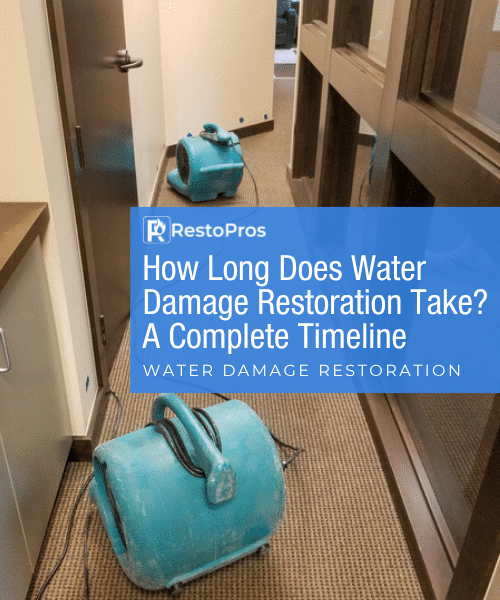
The Short Answer: Most water damage restoration takes 3 to 5 days for drying, plus added time for any repairs. The total restoration timeline depends on how much water there is, the type of water, and the square footage affected.
Water damage rarely waits for a convenient moment. A burst pipe overnight or a flooded basement after a storm leaves you staring at standing water and wondering how long your life will be disrupted. No two jobs run on the same clock, but the water damage restoration process follows a predictable set of stages. Knowing what each stage involves and what stretches or shortens it helps you plan around the disruption and set realistic expectations with your insurance company.

Why Quick Action Changes Everything
Time is the single biggest factor in any restoration timeline. According to the EPA, mold can begin growing within 24 to 48 hours under the right conditions, which is why restoration professionals stress emergency response over waiting until morning. Water extracted fast has less time to soak into subfloors and framing, lowering the risk of mold growth, keeping repairs closer to a minor repair, and shortening the overall restoration timeline.
Stage 1: Emergency Response and Arrival
The clock on your restoration timeline starts the moment you call. A 24/7 emergency response team can usually arrive within hours, which matters most for active leaks and a flooded basement where water is still spreading. On the first call, technicians ask qualifying questions and arrive with the right specialized equipment.
Stage 2: Inspection and Assessment
Once on site, a certified technician performs a thorough inspection before any water removal begins. This step usually takes one to two hours and shapes the plan.
What Happens During the Assessment
- Moisture detection: Technicians use a moisture meter and thermal imaging cameras to find water hidden inside walls, under hardwood floors, and beneath flooring where you cannot see it.
- Water category identification: The team determines whether you have clean water, gray water, or black water, which directly affects the process.
- Damage scoping: They measure the affected area and document the extent of damage for your insurance claim.
- Action plan: Findings become a written plan that guides extraction, drying, and any repairs.
Water Categories Affect the Timeline
The type of water changes how long restoration takes and what safety steps are required:
- Clean water comes from a sanitary source like a supply line and carries the lowest risk.
- Gray water contains some contamination and needs more careful handling.
- Black water from sewage backups or flood water is the most dangerous and demands the most intensive process.
Contaminated water adds containment, removal of porous materials, and more sanitizing, which all add time. Learn more in our guide on gray water vs black water.
Stage 3: Water Extraction
Water extraction is the most urgent step in the restoration process, since removing standing water fast limits how far it spreads and protects structural materials from longer soaking.
Depending on volume, water removal can take a few hours to a full day. A small leak clears quickly, while a flooded basement with thousands of gallons may require truck-mounted pumps for an extended period. After the standing water is gone, technicians measure residual moisture so nothing wet gets missed before drying begins.
Stage 4: The Drying Process
This phase defines most of your restoration timeline. Even after extraction, moisture remains inside structural components and has to come out before any repair work can start.
How Long Does Drying Take
The drying process typically runs 3 to 5 days. Some jobs finish faster, and extensive damage or dense structural materials like hardwood floors can take longer.

What Drives Structural Drying
- Industrial dehumidifiers pull moisture out of the air so wet materials can release water.
- Air movers push air across surfaces to speed evaporation.
- Daily monitoring with a moisture meter confirms progress toward proper moisture levels.
A surface can feel dry while a wall cavity or subfloor still holds moisture, so restoration professionals dry to documented IICRC standards rather than to what looks dry. Moving to repairs before structural drying is verified traps moisture inside and invites mold growth and long-term damage that costs far more to fix.
Stage 5: Cleaning and Sanitizing
Once the structure hits proper moisture levels, the focus shifts to cleaning the affected area, which usually takes one to two days. Technicians sanitize surfaces with antimicrobial agents, clean salvageable belongings, and address odors. Gray water or black water jobs expand this phase, since contaminated water requires deeper disinfection and removal of materials that cannot be saved.
Stage 6: Repairs and Final Restoration
The last phase puts your property back together, and timing here varies the most because it depends on the extent of damage.
- Minor damage, like a small section of drywall or trim, can be a quick minor repair finished in a day or two.
- Extensive damage that requires replacing flooring, rebuilding walls, or restoring large areas of a commercial property takes longer.
For larger jobs, restoration and rebuild services return the property to its original condition after structural drying is verified.
What Makes One Restoration Take Longer Than Another
Two jobs can sit days apart on the calendar for clear reasons:
- Square footage: More affected space means more equipment, more drying, and more time.
- Water category: Black water and sewage backups add containment and sanitizing steps.
- Type of material: Hardwood floors, plaster, and concrete hold water and dry slowly.
- How long water sat: Water intrusion caught fast dries quicker than damage left for days, and hidden moisture behind walls or under floors stretches drying further.
- Mold growth: If mold has already taken hold, mold remediation becomes part of the job and extends the timeline.

How Insurance Fits Into the Timeline
Working with your insurance company runs alongside the physical restoration rather than holding it up. A good restoration team documents the damage from the start, so your insurance provider has what it needs to process the claim while drying is already underway. That documentation, moisture readings, photos of the affected area, and a scope of the extent of damage support your insurance claim and help avoid delays.
Get Your Restoration Timeline Started Today

Water damage restoration usually takes 3 to 5 days of drying plus repair time, but the real timeline depends on quick action. Every hour that standing water sits raises the risk of mold growth, deeper water intrusion, and more costly repairs down the line.
The fastest path to a shorter timeline is calling professionals the moment you spot a problem. RestoPros’ IICRC-certified technicians respond 24/7 with industrial dehumidifiers, air movers, and moisture detection tools to dry your property to proper standards and document everything for your insurance claim. From the first inspection through the final minor repair, our team handles residential and commercial property restoration and keeps you updated at every stage.
Don’t let water damage spread while you wait. Contact RestoPros now to start your restoration and get your home or business back to normal.
Frequently Asked Questions
Most jobs take about a week of active work: a few hours for extraction, 3 to 5 days for drying, and one to two days for cleaning. Repairs add time based on the extent of damage.
In many cases, yes. For severe situations involving structural damage or contaminated water, technicians may advise temporarily leaving the affected area until the work is complete.
Immediately. Since mold growth can start within 24 to 48 hours, emergency response in the first hours protects structural materials and shortens the overall restoration timeline.