



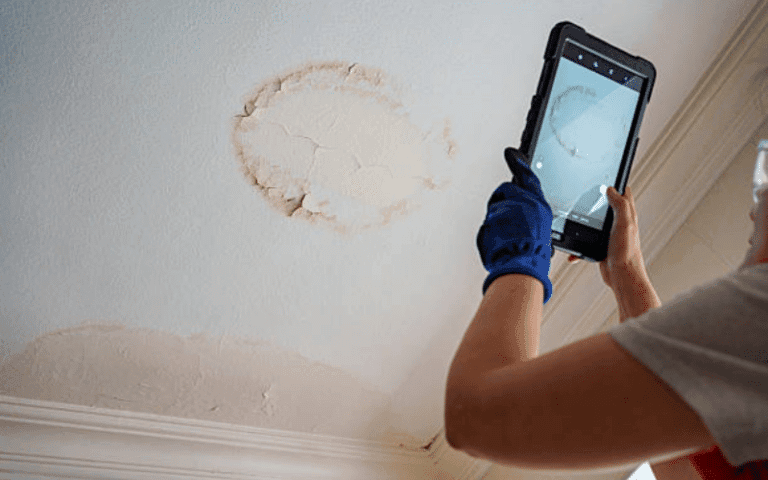

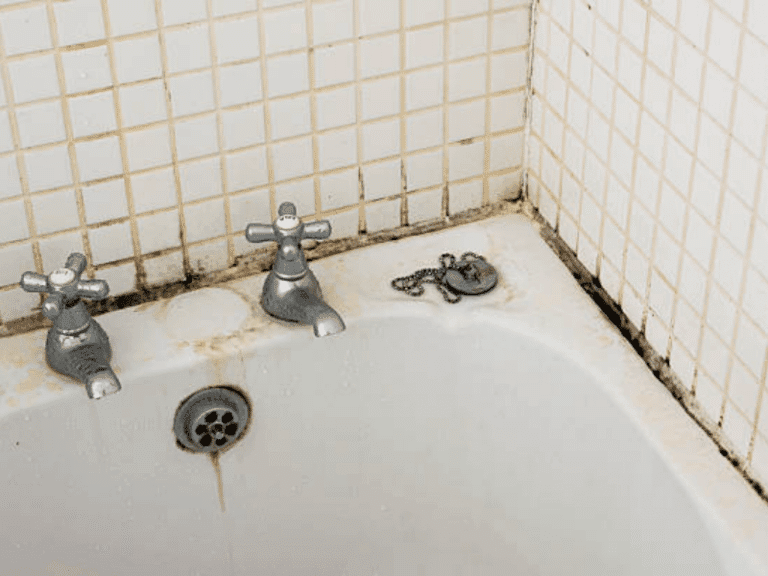
You don’t have to handle it alone. Call us any time, day or night, and let’s figure out next steps together.
Blog
Mold in Basement: How to Identify It and Safely Remove It
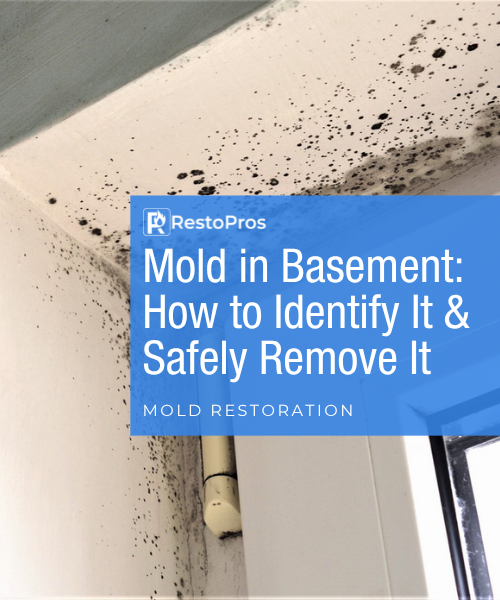
The Short Answer: Mold in basement spaces shows up as visible patches, a musty odor, or dark staining on basement walls, and it should be removed by certified mold remediation specialists who can safely contain spores and fix the moisture source. Cleaning visible mold without addressing the moisture problem leads to repeat growth and worsening damage.
Basement mold thrives in damp conditions where high humidity, water leaks, and poor airflow combine. Once mold growth takes hold, it spreads across foundation walls, concrete floor surfaces, and porous materials like cardboard boxes within days. Hidden colonies often form behind paneling and under flooring, raising real health risks for anyone in the home. Professional mold remediation handles both the contamination and the moisture source, so the issue does not return.
How to Identify Mold in Your Basement
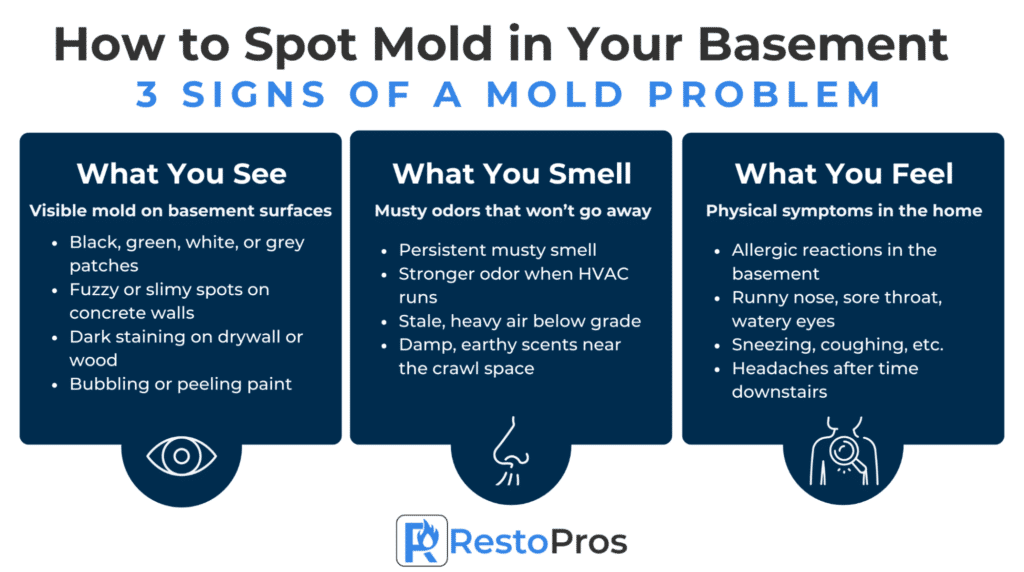
Spotting basement mold early limits the spread and keeps mold removal costs down. Look for a mix of visual, smell, and physical signs.
Visible Signs of Mold Growth
Visible mold often appears in corners, along the edge of the basement floor, and on cooler surfaces.
- Black, green, white, or grey patches on basement walls or ceilings
- Fuzzy or slimy textures on concrete walls and foundation walls
- Dark staining on drywall, wood framing, or insulation
- Discoloration spreading across cardboard boxes or stored fabric
- Bubbling or peeling paint on a concrete wall
Smell and Air Quality Clues
Even when mold is hidden, your nose often catches it first.
- A persistent musty odor that does not go away with cleaning
- A musty smell that gets stronger when the HVAC turns on
- Stale air in a finished basement that feels heavier than the rest of the home
- Damp, earthy scents near the laundry area or crawl space access
Physical Symptoms in the Home
Sometimes the people in the home notice the mold problem before they see it.
- Sudden allergic reactions when entering the basement
- Runny nose, sore throat, or watery eyes that clear up upstairs
- Increased sneezing, coughing, or respiratory issues
- Headaches that come on after time spent below grade
If anyone in the home has weakened immune systems or asthma, these health effects can show up faster and hit harder.
What Causes Basement Mold to Grow
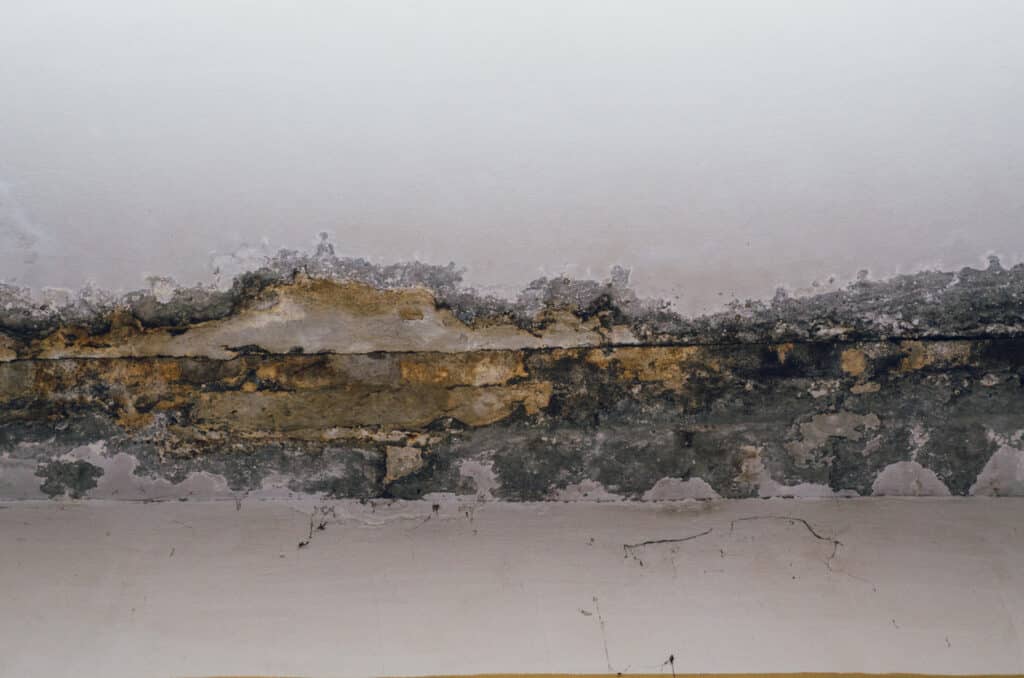
Mold needs three things to grow: moisture, organic material, and time. Basements supply all three with little effort.
Common Moisture Sources
A few moisture sources show up again and again in basement mold cases:
- A leaky pipe behind a wall or under a sink
- Foundation cracks that let groundwater seep through concrete walls
- Poor exterior drainage that pushes water against foundation walls
- Condensation on cold pipes and ductwork
- Flooding from heavy rain or appliance failure
- High indoor humidity from dryers vented improperly
Why Basements Are Especially Vulnerable
Basements sit below grade, which makes them naturally cooler and damper than the rest of the home. The EPA recommends keeping indoor relative humidity between 30 and 50 percent to prevent mold growth, but many basements run far above that range.
Other reasons basements struggle:
- Limited airflow allows water vapor to settle on cold surfaces
- Porous materials like drywall, carpet, and wood absorb moisture quickly
- Stored cardboard boxes, books, and fabrics feed mold spores
- Finished basement spaces hide leaks behind walls until damage spreads
Health Risks of Basement Mold Exposure
Mold exposure can cause a range of health problems, and the severity depends on the type of mold, the length of exposure, and the person’s health.
Common Symptoms of Mold Exposure
Most people notice some combination of:
- Runny nose, congestion, and sneezing
- Sore throat and persistent cough
- Itchy or watery eyes
- Skin irritation or rashes
- Headaches and fatigue
- Worsening asthma or new respiratory issues
Who Faces the Highest Health Risks
Some groups are more sensitive to mold and face greater health concerns:
- Infants, young children, and the elderly
- People with asthma, allergies, or lung disease
- Anyone with compromised immune systems
- Those undergoing chemotherapy or other immunosuppressing treatments
Prolonged exposure to mold in sensitive individuals can lead to serious respiratory issues and chronic health problems. This is why mold testing and professional mold removal matter for homes with vulnerable family members.
Why DIY Mold Removal Falls Short
Removing mold is more involved than wiping down a basement wall with bleach. Improper cleaning often spreads mold spores through the HVAC system and contaminates clean parts of the home.
What Goes Wrong With Improper Removal
- Disturbing visible mold releases millions of spores into the air
- Bleach does not kill mold inside porous materials
- Removing damaged building materials without containment spreads contamination
- The moisture issue stays in place, so mold returns within weeks
- Health risks rise for anyone in the home during and after the work
According to IICRC standards, mold can begin growing within 24 to 48 hours of water damage. Fast, professional response limits the spread and protects the home.
The Professional Mold Remediation Process
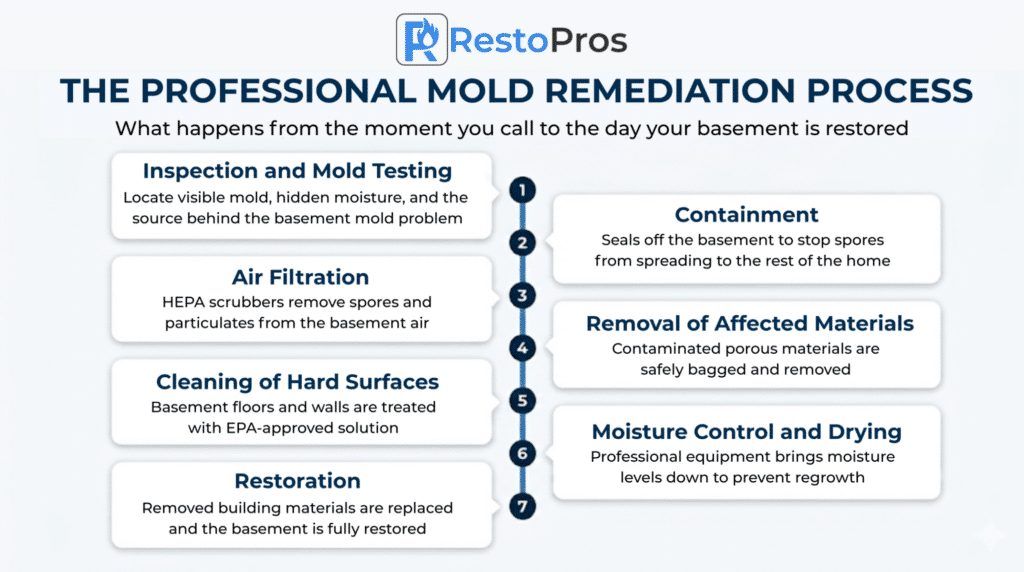
When a mold problem hits your basement, the response process follows a clear sequence designed to protect your home and health.
Step 1: Inspection and Assessment
Trained technicians inspect the basement, crawl space, and surrounding areas for visible mold, water damage, and hidden moisture. Moisture meters and thermal imaging help locate water leaks behind walls and under the basement floor. The team measures the affected square feet and evaluates the type of mold present.
Step 2: Containment Setup
Plastic barriers seal off the affected area to keep mold spores from spreading to clean parts of the home. Negative air machines pull contaminated air through HEPA filters before releasing it outside.
Step 3: Air Filtration
HEPA air scrubbers run throughout the project to capture airborne mold spores. Technicians wear full personal protective equipment to avoid carrying spores out of the work zone.
Step 4: Mold Removal and Material Disposal
- Heavily contaminated porous materials are removed and bagged for disposal
- Non-porous surfaces, such as concrete floors and concrete wall sections are HEPA vacuumed
- Antimicrobial solutions treat framing, foundation walls, and remaining building materials
- Salvageable items are cleaned and treated rather than discarded
Step 5: Drying and Moisture Control
Industrial dehumidifiers and air movers bring relative humidity back into a safe range. Technicians monitor humidity level readings daily until the basement is fully dry.
Step 6: Repair and Restoration
Once the mold problem is resolved, the removed building materials are rebuilt. This may include drywall, insulation, flooring, and trim, restoring the basement to pre-loss condition.
Step 7: Final Verification
Post-remediation mold testing confirms spore counts are within normal ranges before the space is cleared for use.
Preventing Mold From Coming Back
Mold removal is only half the job. If the moisture problem is not fixed, mold returns. Preventive measures focus on controlling water and humidity in the basement.
Moisture Control Measures
- Have a licensed plumber repair water leaks and leaky pipes at the source
- Repair foundation cracks and seal entry points around pipes
- Install or upgrade basement waterproofing systems
- Improve exterior drainage and grade the soil away from foundation walls
Humidity Management
- Run a dehumidifier sized for the basement square footage
- Aim for indoor humidity between 30 and 50 percent
- Vent dryers and bathroom fans directly outside, never into the basement
- Insulate cold water pipes to reduce condensation
Storage and Layout Changes
- Replace cardboard boxes with sealed plastic bins
- Keep stored items off the basement floor on shelving
- Avoid placing carpet directly on concrete in damp basement areas
- Inspect crawl space vapor barriers regularly
For homes that have flooded or experienced major water damage, fast professional drying helps prevent mold from setting in.
When to Call a Professional for Basement Mold
Some signs point to a mold problem too large or risky for delay:
- Visible mold covering more than 10 square feet
- A musty smell that returns after cleaning
- Recent flooding or standing water in the basement
- Anyone in the home with respiratory issues, allergies, or compromised immune systems
Waiting allows mold spores to spread, building materials to rot, and health concerns to grow. Quick action keeps cleanup costs lower and protects the people in the home.
Protect Your Home and Your Family From Basement Mold
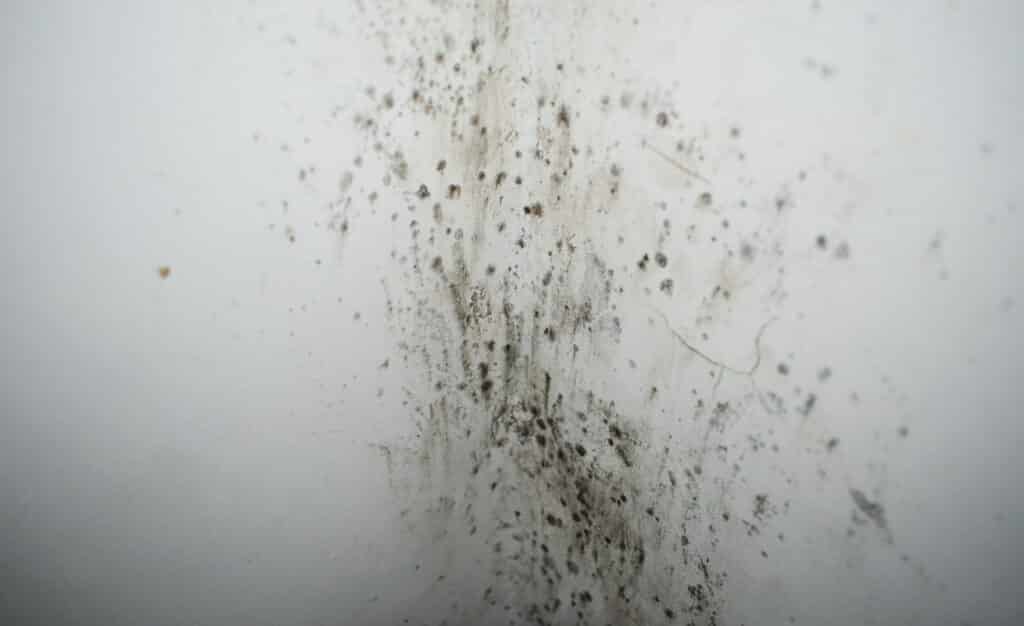
Basement mold is a moisture problem first and a contamination problem second. Both have to be handled together to keep mold from coming back. Identifying visible mold, musty smells, and rising humidity levels early gives you the best chance to limit damage and avoid serious health effects from mold exposure.
Professional mold remediation contains spores, removes affected materials, dries the space, and verifies clearance through mold testing. RestoPros’ certified technicians handle every step from inspection through restoration, working directly with your insurance company along the way. Don’t let basement mold spread through your home. RestoPros is available 24/7 for mold remediation and water damage response. Contact us now for a fast assessment and a clear path back to a safe, dry basement.