




You don’t have to handle it alone. Call us any time, day or night, and let’s figure out next steps together.
Blog
What Does Mold Smell Like? Signs of Hidden Mold in Your Home
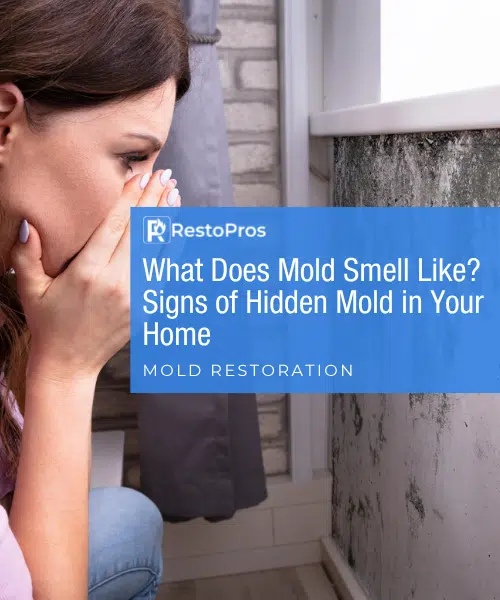
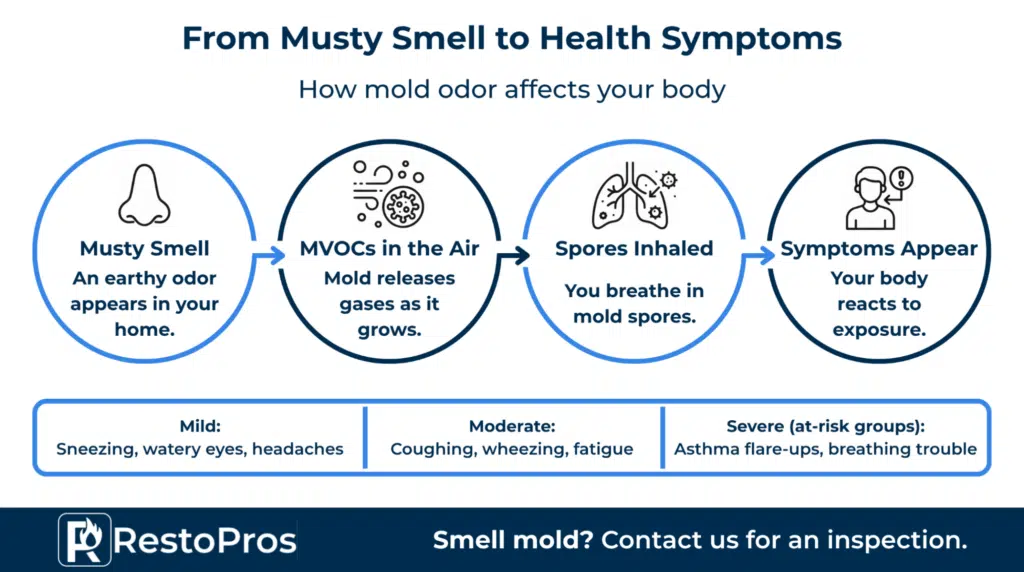
The Short Answer: Mold gives off a musty, earthy smell that many people compare to wet socks, rotting wood, or old library books. This distinctive odor comes from microbial volatile organic compounds (MVOCs) released as mold colonies grow and feed on organic material.
If you have walked into a room and noticed an unpleasant odor you cannot quite place, mold may be the cause. The smell of mold often appears before any visible mold growth, which makes your nose one of the first warning signs of a hidden moisture problem. A lingering musty smell points to active mold spores feeding somewhere behind walls, under floors, or inside your HVAC system. Catching that mold odor early can save you from bigger health risks and costly damage.
Why Mold Has Such a Distinctive Smell
The smell of mold is not the mold itself. It comes from gases called microbial volatile organic compounds, or MVOCs, which mold colonies release as they break down organic material like wood, drywall, and fabric.
What Mold Often Smells Like
- Musty, like a damp basement or old library books
- Earthy smell, similar to wet soil or rotting leaves
- Sour smell, comparable to spoiled food or stale beer
- Like wet socks or damp cardboard
- A heavy, stale, unpleasant smell that lingers in still air
Why the Smell Gets Stronger
- High humidity locks moisture into porous materials
- Poor ventilation traps MVOCs indoors
- Warm temperatures speed up mold growth
- Excess moisture from leaks feeds expanding mold colonies
Where That Musty Odor Usually Comes From
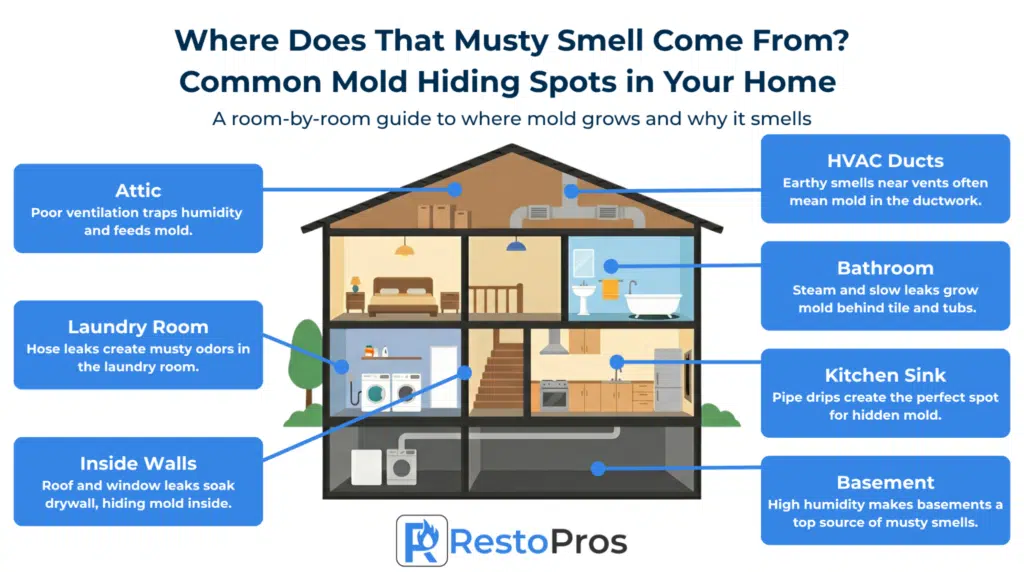
Mold needs three things to grow: moisture, organic material, and time. Most homes give it all three in specific spots.
Common Hiding Places
- Behind washing machine hookups and under laundry room flooring
- Inside the air conditioner drip pan and HVAC system ductwork
- In the crawl space under the home, where the humidity level stays high
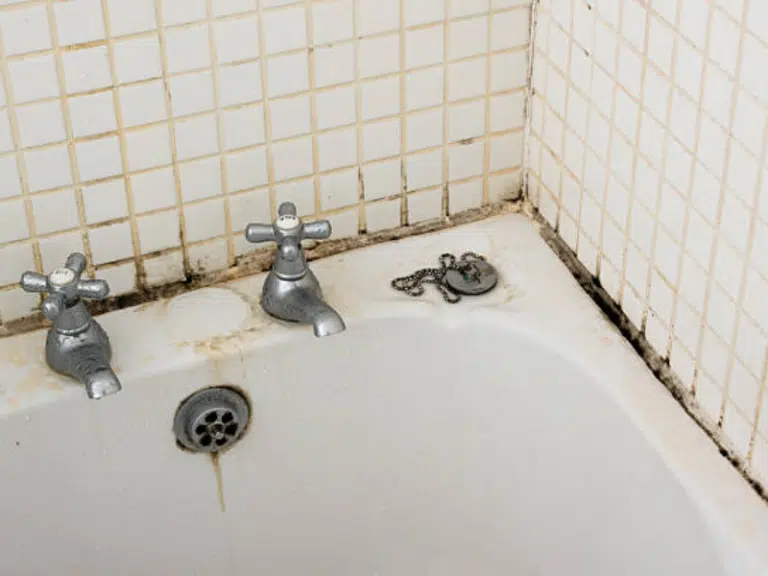
- Under bathroom tile, around tubs, and behind toilets
- Inside walls after water damage from a roof or window leak
- In attics with poor ventilation
- Under kitchen sinks and behind refrigerators
Smells That Point to Specific Problems
| Smell Type | Likely Source |
| Strong earthy smell near vents | Mold inside the HVAC system |
| Musty odor in the laundry room | Moisture around the washing machine |
| Sour smell in the basement | Mold colonies on hard surfaces or stored items |
| Distinctive odor under floors | Hidden water damage in the subfloor |
| Persistent smell in the bathroom | Mold behind tile or in drywall |
Health Risks Tied to Mold Odor
If you can smell mold, you are also breathing in mold spores. According to the EPA, prolonged exposure to damp and moldy environments can affect indoor air quality and trigger health issues, especially for people with weaker immune systems.
Symptoms People Often Report
The CDC notes that mold exposure can cause a range of reactions, including:
- Allergic reactions like sneezing, watery eyes, and skin rashes
- Respiratory issues, including coughing and wheezing
- Headaches and fatigue
- Sinus congestion
- Severe reactions in those with asthma or compromised immune systems
People who already deal with respiratory conditions tend to feel symptoms first, and the American Lung Association reports that long-term exposure can worsen asthma and other lung conditions. That is why the smell of mold should not be ignored, even when there is no visible mold growth on your walls or ceilings.
Visible Signs That Often Come With the Smell
A musty odor is one clue, but it usually pairs with other warning signs of a mold problem.
Look For:
- Black, green, gray, or white spots on walls, ceilings, or grout
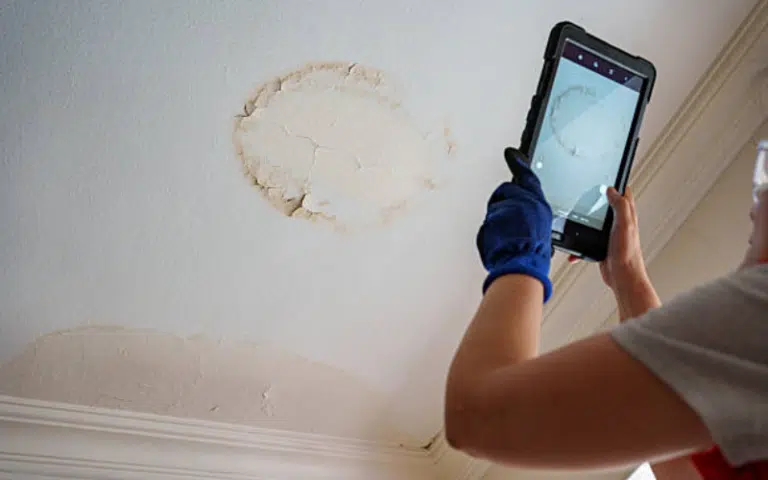
- Bubbling or peeling paint and wallpaper
- Warped wood floors or baseboards
- Water stains on drywall or ceilings
- Condensation on windows that points to high humidity
- Soft or spongy spots on hard surfaces
If any of these show up alongside an unpleasant odor, it is time for a professional mold inspection.
When to Call for a Professional Mold Inspection
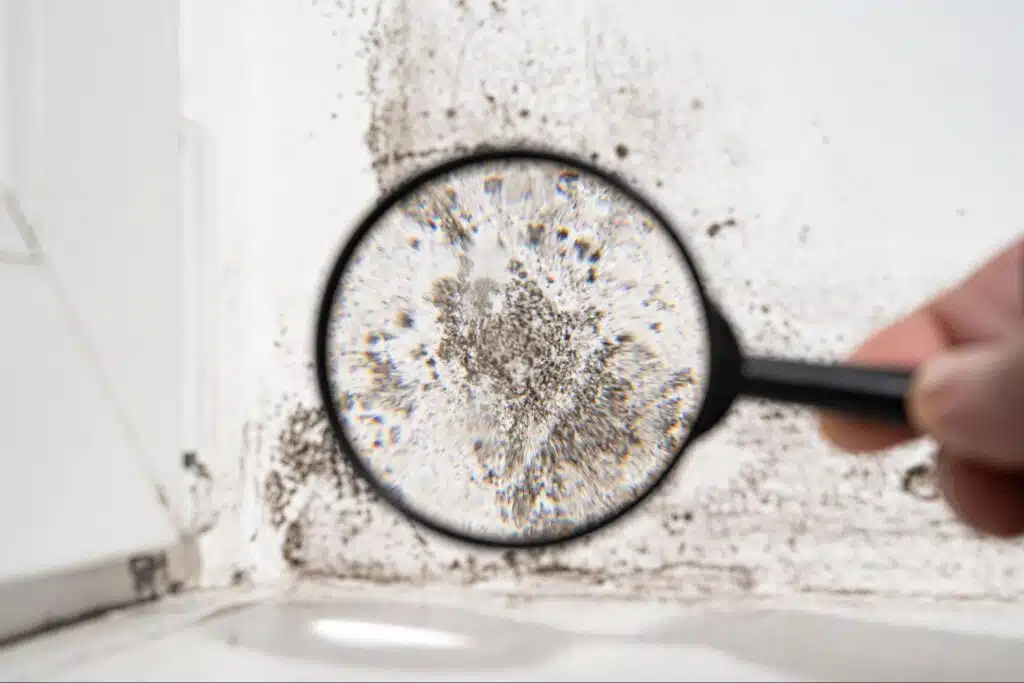
Some signs point to a mold problem that has moved past the early stage. Reach out right away if you notice:
- Mold odor that returns after cleaning
- Visible mold growth larger than 10 square feet
- Recent water damage from flooding, leaks, or storms
- Family members with new or worsening allergic reactions
- Musty smell coming from inside the walls or ceilings
- An HVAC system is pushing a strong earthy smell through the home
A professional mold inspection finds hidden mold infestation that surface checks miss. Our team uses moisture meters, thermal imaging, and air sampling to track down the source of the moisture problem.
Our Mold Remediation Process
Once a mold problem is confirmed, our certified team follows a clear, IICRC-aligned process to handle mold remediation safely.
1. Detailed Inspection and Assessment
We walk through your property to find all visible signs of mold growth, measure the humidity level, and locate the source of excessive moisture. Air quality testing helps confirm how far mold spores have spread.
2. Containment
Affected areas are sealed off with plastic sheeting and negative air pressure. This keeps mold spores from drifting into clean parts of the home during work.
3. Air Filtration
HEPA air scrubbers and specialized filters pull mold spores from the air. This step protects your indoor air quality and our crew during cleanup.
4. Mold Removal and Cleaning
- Porous materials with deep mold infestation, such as soaked drywall and insulation, are safely removed
- Hard surfaces are cleaned with EPA-registered antimicrobial products
- Personal items are treated when salvageable
- All debris is bagged, sealed, and disposed of according to industry standards
5. Drying and Moisture Control
Industrial dehumidifiers and air movers dry the space to recommended humidity targets. Without removing the moisture source, mold will return, so this step is non-negotiable.
6. Restoration
Once the area is clean and dry, our rebuild team replaces drywall, flooring, trim, and paint so your space looks like the problem never happened.
7. Final Clearance and Recommendations
We provide post-remediation testing and walk you through regular maintenance steps that help keep moisture in check, like checking the air conditioner drip line and watching for leaks under the washing machine.
Why Trying to Cover the Smell Does Not Work
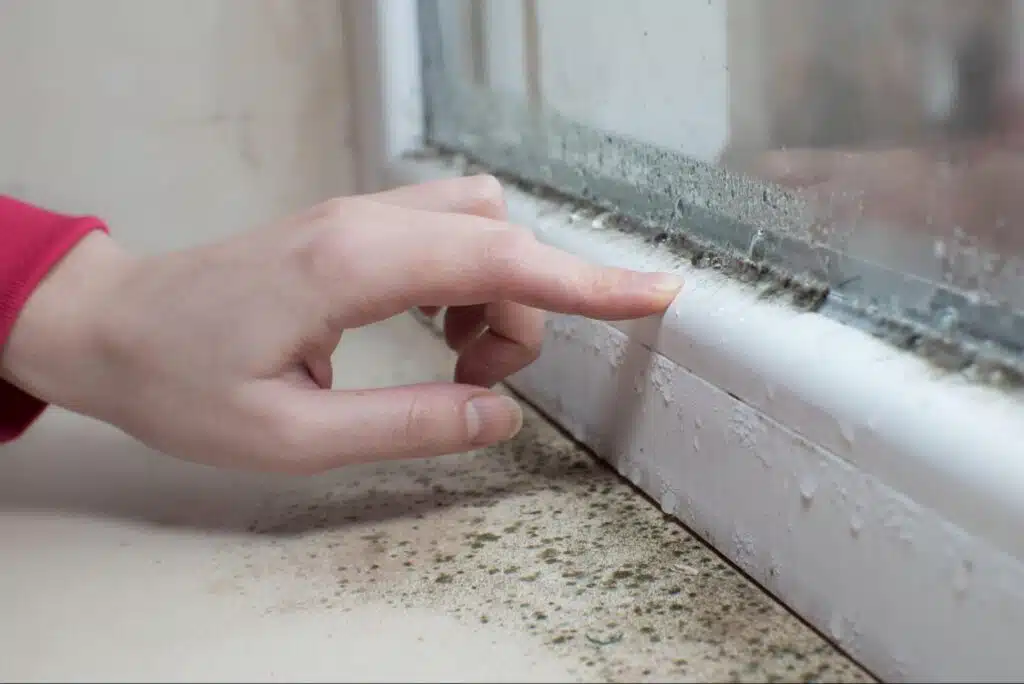
Air fresheners and candles can mask a mold smell for a few hours, but the underlying mold colonies keep growing. Without addressing the moisture, the unpleasant odor returns, and the affected area continues to expand.
According to the EPA, mold can grow in moist environments within 24 to 48 hours after water damage. That short window is why fast action matters the moment you notice that distinctive smell.
Trust RestoPros With Your Mold Problem
A musty odor in your home is rarely a quirk of an old house. It is often the first sign that mold spores are feeding on organic material in a damp, hidden spot. The longer the smell sits, the more square feet of your home a mold infestation can take over, and the higher the health risks for your family.
If you have noticed an unpleasant smell, visible mold growth, or recent water damage, do not wait for the mold problem to spread. The certified team at RestoPros handles every step of mold remediation, from professional mold inspection to final repairs, so your home smells fresh and stays safe again. Contact us today to schedule an inspection and stop mold at the source.