
The Short Answer: A musty smell in your house is almost always a sign of mold, mildew, or moisture buildup somewhere in your home. Left untreated, it can damage your property and affect your family’s health.
That funky smell is easy to dismiss at first. Maybe you crack open a window or grab an air purifier and hope it fades. But a persistent musty odor is your home telling you something is wrong below the surface. Here’s what that smell actually means, why it matters, and when it’s time to call in professional help.
What Is That Musty Smell?
A musty smell or earthy odor comes from microbial volatile organic compounds, also called MVOCs. These are gases released by mold and mildew as they break down organic material like wood, drywall, and insulation.
You can’t always see the mold causing it. Mold spores travel through the air and settle in hidden spots, growing in damp areas long before any visible growth appears.
The smell is a symptom. The moisture problem underneath it is the real issue.
Common Causes of a Musty Smell in a House
Mold and Mildew Growth
Mold and mildew thrive in areas with moisture and poor ventilation. They release volatile organic compounds as they grow, producing that stale, unpleasant smell. Even a small patch of mildew growth behind drywall or under flooring can make an entire room smell musty long before you can see anything wrong.
Water Damage
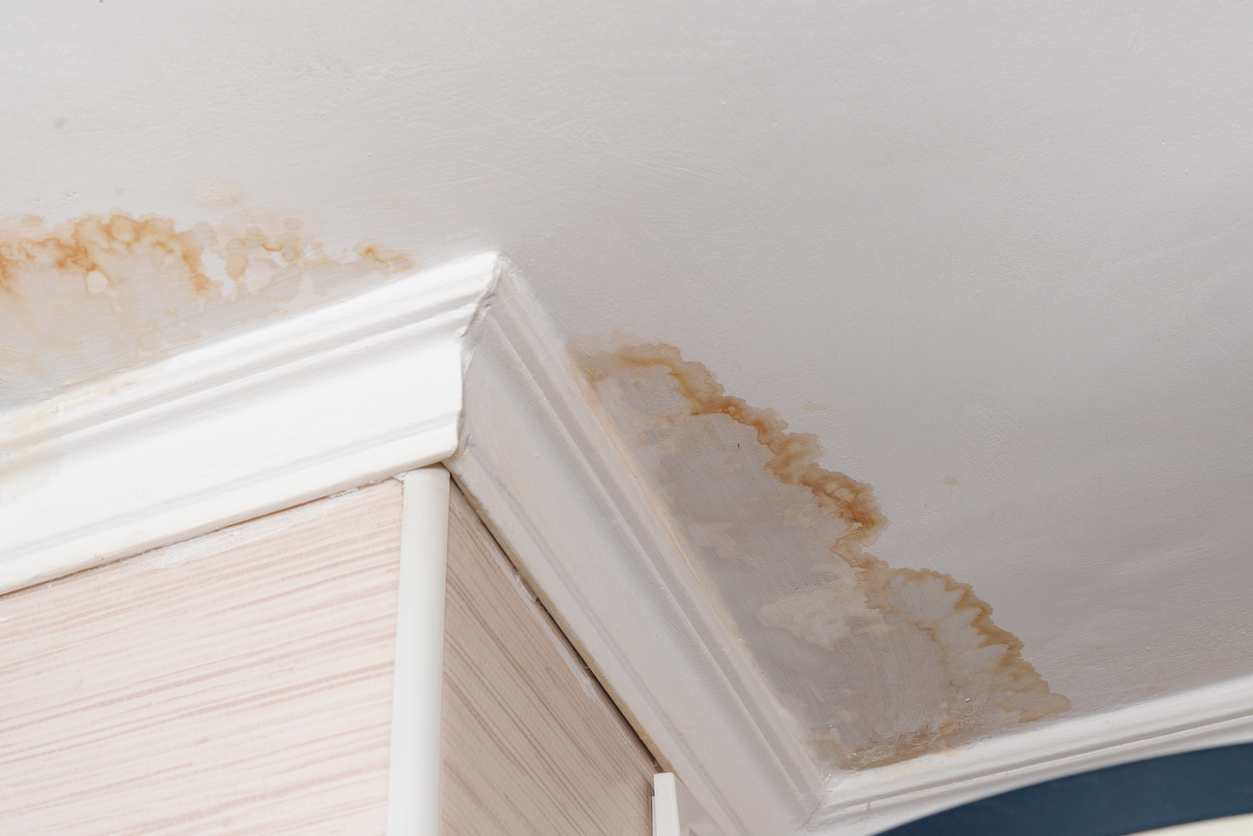
Water damage is one of the most common triggers. Whether it’s a slow leak, a burst pipe, or flooding, water that soaks into porous materials like drywall, carpet, subfloor, or insulation creates the perfect environment for mold growth. According to the EPA, mold can begin growing within 24 to 48 hours of a moisture event.
Even a water damage event that was “cleaned up” months ago can still be causing a musty odor if the materials weren’t properly dried and treated at the time.
High Humidity and Poor Ventilation
When humidity levels stay elevated indoors, moisture builds up on surfaces and inside walls. Without proper ventilation to move stale air out and fresh air in, that humidity just sits, and mold follows. Homes in warmer, humid climates are especially prone to this, but it can happen anywhere.
Areas most at risk:
- Basements and crawl spaces
- Bathrooms without an exhaust fan
- Laundry rooms
- Attics with blocked soffits or poor airflow
HVAC System and Air Ducts
A dirty or neglected HVAC system can spread mold spores and musty odors throughout the entire house. Air ducts that have experienced any moisture buildup or condensation can harbor mold, pushing that unpleasant odor into every room every time the system runs. If the musty scent seems to appear or intensify when the heat or air conditioning kicks on, the HVAC system is likely involved.
Washing Machine
Front-loading washing machines are notorious for trapping moisture in the drum seal and door gasket. Over time, that trapped moisture creates mildew growth, and the laundry room starts to carry a musty scent that can spread through adjacent spaces in the house.
Crawl Space Moisture
A damp crawl space beneath your home is one of the most overlooked sources of a musty smell. Ground moisture, inadequate vapor barriers, and poor ventilation in crawl spaces allow mold and mildew to grow under the subfloor. That musty odor rises directly into your living space, and homeowners often spend months trying to find the source without ever looking below the floor.
What Causes a Sudden Musty Smell?
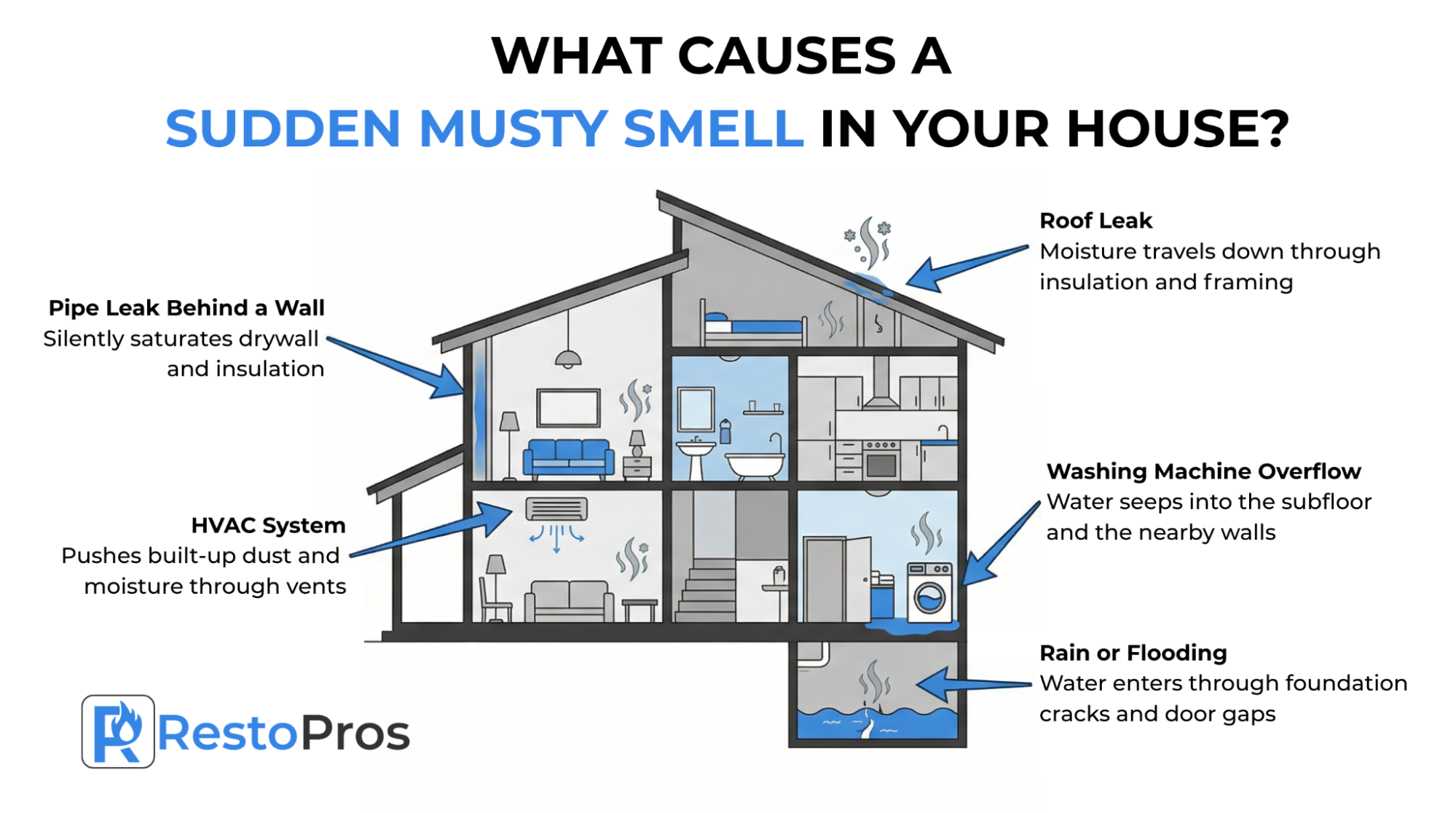
A sudden musty smell that wasn’t there before usually points to a recent moisture event. Here are the most common culprits:
Recent Rain or Flooding
Water likely entered through a foundation crack, window well, or door and soaked into the flooring or walls.
A Pipe Leak Behind a Wall
Moisture quietly saturates drywall or insulation where you can’t see it, and the smell is often the first sign something is wrong.
HVAC System Starting Up After Sitting Dormant
Dust and moisture that built up inside the system over time get pushed out through every vent in the house.
A Washing Machine Overflow
Water can reach under the subfloor or into nearby walls, creating damp conditions that take far longer to dry out than most homeowners realize.
A Roof Leak
Moisture works its way down through the structure slowly, and by the time a musty smell appears, it may have already reached insulation or framing.
A sudden musty smell should be treated as an early warning sign, not a minor inconvenience. The faster the moisture source is identified, the less damage there is to address.
Health Risks of a Musty Smell in Your Home
Ignoring a musty odor isn’t just a comfort issue. Mold spores and MVOCs circulating through your indoor air quality can create real health problems, especially for vulnerable people.
Who Is Most at Risk
- Children and infants
- Elderly individuals
- People with asthma or allergies
- Anyone with a weakened immune system
Symptoms Linked to Mold Exposure
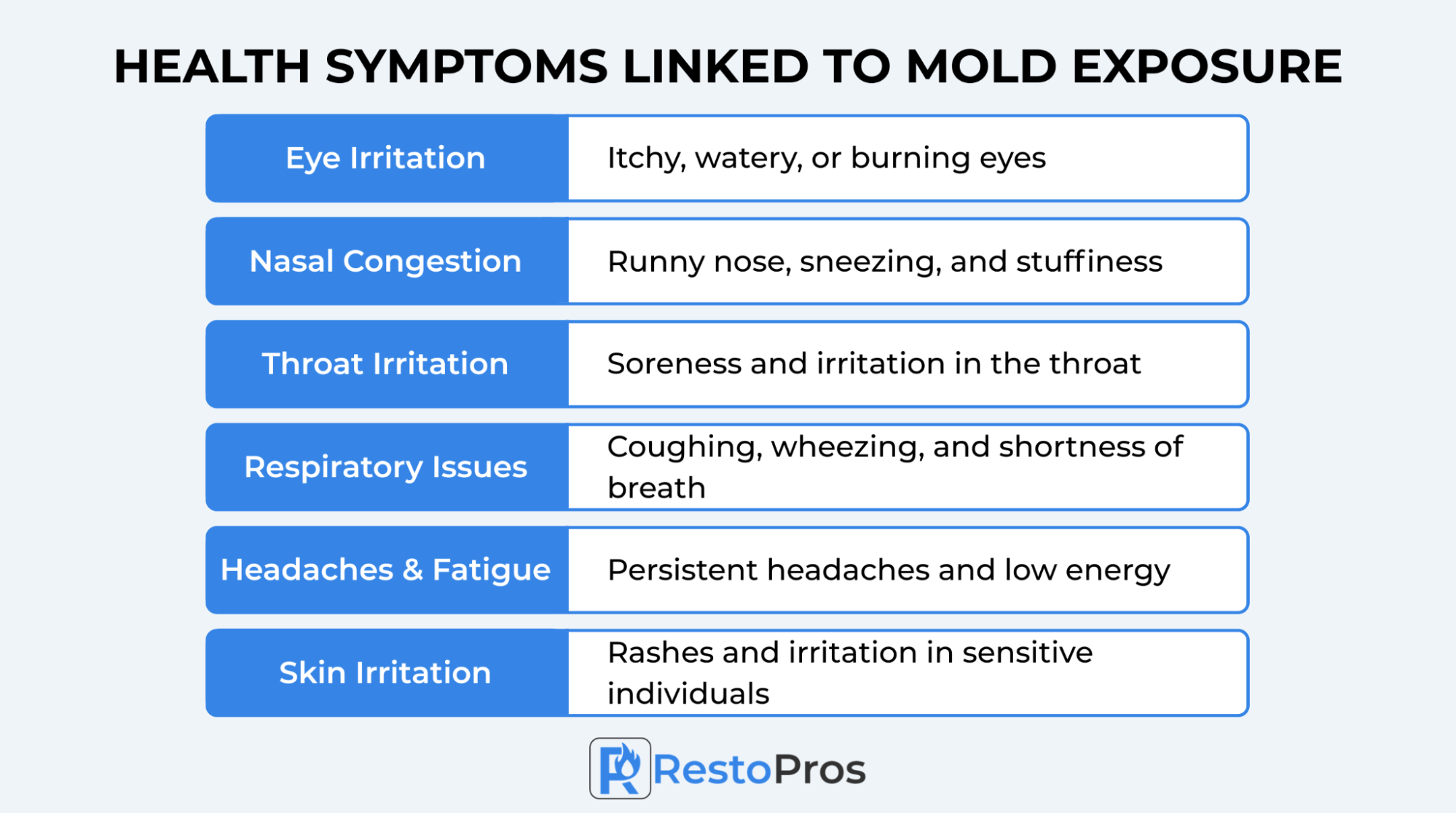
Exposure to mold and volatile organic compounds can cause:
- Respiratory issues, including coughing, wheezing, and shortness of breath
- Nasal congestion and sneezing
- Eye, nose, and throat irritation
- Headaches and fatigue
- Skin irritation in some cases
The CDC notes that indoor mold exposure has been linked to upper respiratory tract symptoms and worsened asthma in both children and adults. For people with existing respiratory conditions, even low-level exposure can trigger noticeable symptoms.
Beyond health, prolonged mold growth and excess moisture cause structural damage to your home. Wood framing, insulation, and drywall all deteriorate the longer moisture problems go unaddressed, which raises the cost and scope of restoration significantly.
Where Musty Odors Hide in Your Home
Mold and moisture problems don’t always show themselves in obvious places. Here are the spots that professionals check first:
- Behind walls near bathrooms, kitchens, and laundry rooms, where pipes run
- Under flooring, especially carpet and hardwood over concrete slabs
- In the crawl space, where ground moisture and poor ventilation create damp conditions
- Inside the HVAC system and along air ducts, where condensation can collect
- In the attic, where roof leaks or inadequate ventilation allow moisture buildup
- Around windows and doors, where condensation or gaps allow water intrusion
The location of the musty scent can give clues, but the actual source is often somewhere different from where the smell seems strongest. Mold spores and musty odors travel through air ducts, wall cavities, and subfloor gaps.
Why Surface Cleaning Doesn’t Fix a Musty Smell
Scrubbing hard surfaces or spraying white vinegar can temporarily reduce the smell, but it doesn’t reach the source. If mold is growing inside walls, under flooring, or in a crawl space, surface-level cleaning leaves the root problem completely intact.
An air purifier or upgraded air filter can improve indoor air quality by capturing some airborne mold spores, but it isn’t treating the moisture driving the mold growth.
The smell keeps coming back because the mold keeps growing. The only real fix is identifying and eliminating the moisture source and properly remediating any mold that’s already established in your home’s materials.
Porous materials like drywall, insulation, and carpet that have been affected by mold can’t simply be cleaned. They have to be removed and replaced as part of proper remediation. This is what separates a real fix from a temporary cover-up.
When to Call a Professional
Don’t wait for a musty smell if any of the following are true:
- The smell has been present for more than a few days
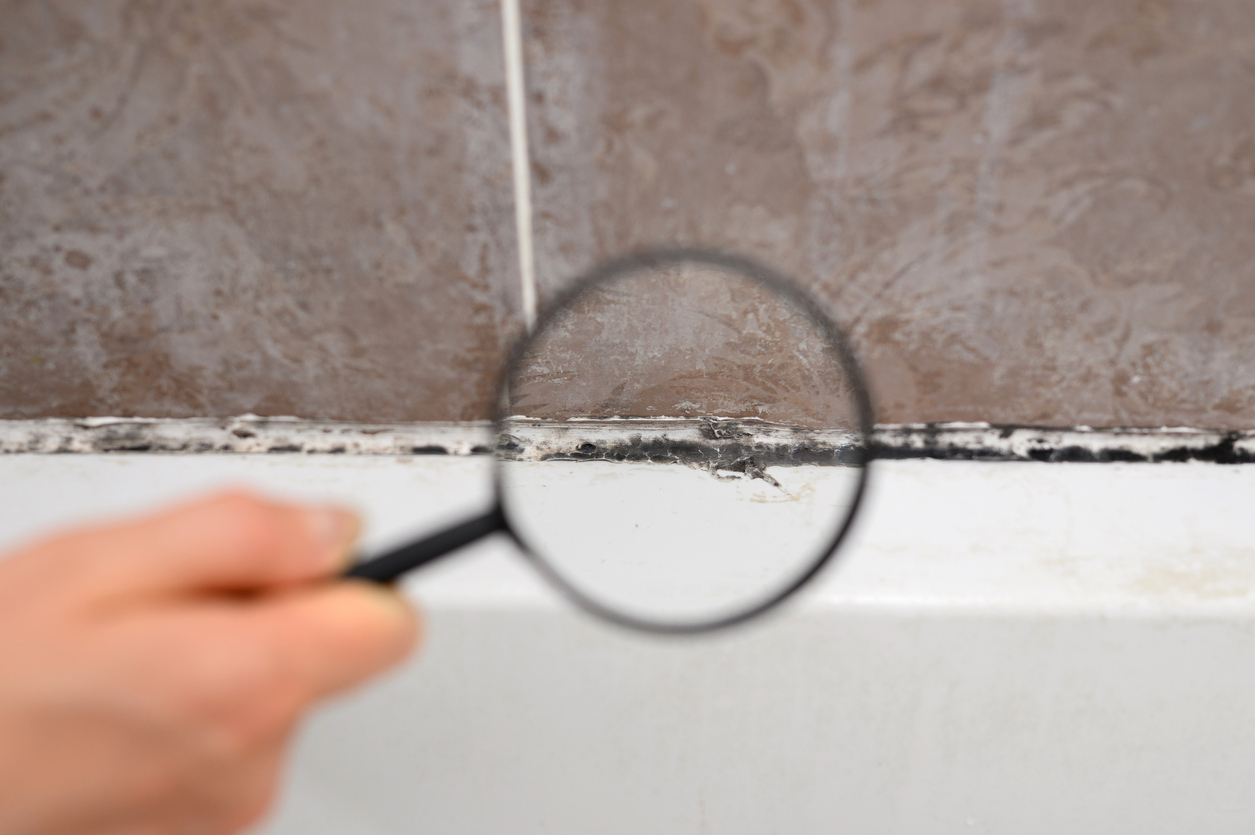
- You can see visible mold growth anywhere in the home
- You have recently had any water damage, flooding, or a leak
- Someone in the home is experiencing respiratory issues
- The musty odor is concentrated in a basement, crawl space, or laundry room
- Your HVAC system seems to be spreading the odor throughout the house
These are signs that the moisture problem has moved beyond a surface issue and into the structure of your home. Learn more about mold remediation and water damage restoration, or contact RestoPros to schedule a professional inspection.
Don’t Let a Musty Smell Linger
A musty odor in your house is a warning sign that moisture and mold are actively working against your home and your family’s health. The longer it goes unaddressed, the more expensive and invasive the fix becomes.
RestoPros specializes in finding the source of musty smells, remediating mold, and restoring indoor air quality to a safe level. Available 24/7, their certified technicians handle everything from moisture assessment to post-remediation verification and can work directly with your insurance company throughout the process. If your house smells musty, don’t wait. Contact RestoPros today.