
Professional sewage backup cleanup costs can vary significantly based on the extent of sewage damage and the affected area size, but typically range from $2,000 to $15,000 on average, with severe cases potentially reaching more. The final sewage cleanup cost includes professional water extraction, sanitization, drying, and restoration services for damaged materials.
Sewer backup occurs when wastewater reverses direction and flows back into your home through sewer pipes, bringing dangerous Category 3 black water containing harmful bacteria and pathogens. This contaminated sewage water poses serious health risks through direct contact or airborne exposure, making emergency sewage cleanup services necessary to protect your family’s health.
Professional cleanup teams use advanced equipment and follow strict safety measures to perform sewage removal, sanitize affected areas, and restore damaged materials. The total cleanup cost depends on several factors, including the volume of raw sewage, the size of the affected area, contamination level, and the types of materials requiring restoration or replacement. While costs vary significantly, acting quickly helps prevent extensive damage and higher costs.
Factors That Affect Cleanup Costs
Extent of Contamination
The affected area size directly impacts sewage backup cleanup costs. A small bathroom sewer backup will cost less than widespread basement sewage damage. Raw sewage contains harmful bacteria and pathogens, requiring specialized sanitization procedures. The depth of sewage water also matters; deeper contamination requires more powerful extraction equipment and longer drying times.
Time and Labor Requirements
Fast response reduces overall cleanup costs by limiting water damage and preventing mold growth. Most sewage backup projects need multiple technicians working simultaneously with advanced equipment. The number of technical staff depends on the affected area and building layout. The sewage cleanup process typically requires several days of active cleanup and monitoring.
Required Services
Professional sewage cleanup involves several necessary steps:
- Water extraction using commercial-grade pumps and vacuums
- Thorough sanitization with antimicrobial treatments
- Extended drying with air movers and dehumidifiers
- Safe removal and disposal of contaminated materials
- Daily moisture measurements throughout the process
- Documentation for insurance company claims
Proper handling of sewage-damaged materials like carpet, drywall and insulation is required to prevent health hazards. The restoration services team must properly dispose of these materials according to local regulations for contaminated waste.
Breakdown of Specific Costs
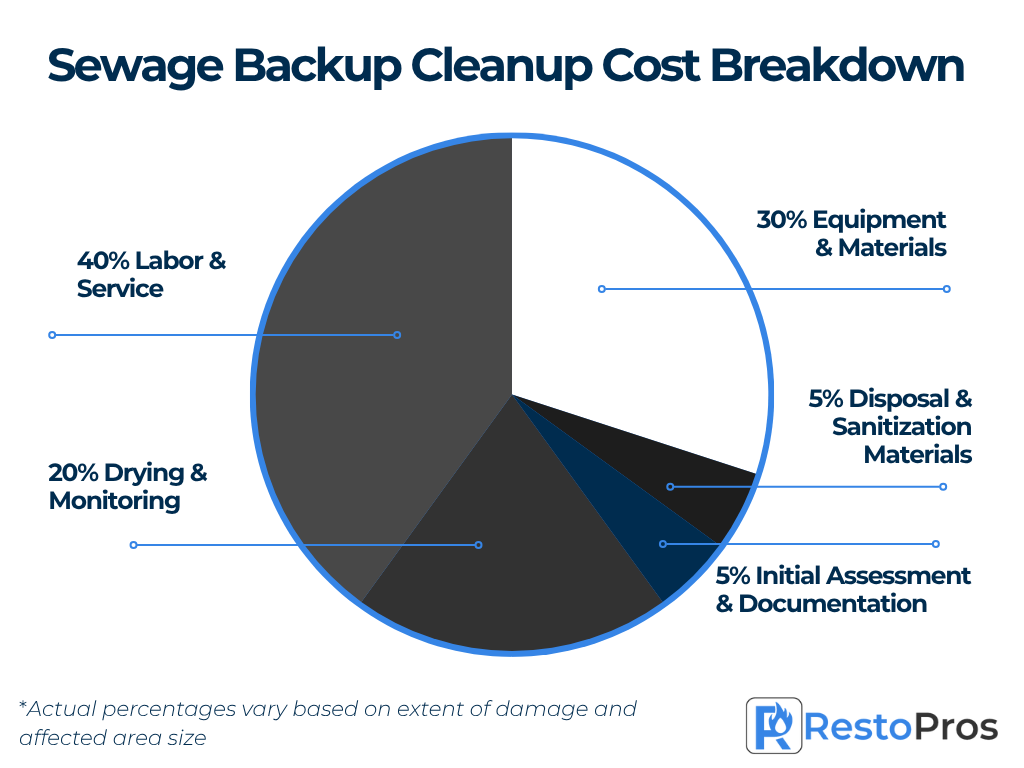
Initial Response and Assessment
Professional sewage backup cleanup begins with a thorough property assessment. Emergency sewage cleanup services include immediate response and consultation. Initial assessment costs cover comprehensive moisture readings and contamination evaluation by specialists. The cleanup process includes detailed documentation and reports typically required by insurance companies for coverage verification.
Equipment and Materials
Advanced equipment constitutes a significant portion of sewage cleanup costs. Professional extraction systems and specialized vacuum units are essential for sewage removal. Commercial-grade sanitizing solutions and disinfectants are required for proper treatment. Professional drying equipment, including industrial dehumidifiers and air movers, along with protective gear for technicians (hazmat suits, respirators, gloves) are necessary for safe remediation.
Labor and Service Charges
Labor represents the primary component of sewage backup cleanup costs. Multiple trained technicians are typically needed throughout the cleanup process. Specialized cleaning procedures for contaminated materials and affected areas require extensive effort. Proper disposal of sewage water and contaminated materials must follow local health regulations and safety measures, adding to the overall restoration services expense.
Insurance Coverage and Documentation
What Insurance Typically Covers
Most standard homeowners’ insurance policies cover sudden sewage backup damage and sewer backup incidents, though coverage amounts vary. Insurance companies generally pay for water extraction, sewage cleanup, sanitization, drying, and restoration services in affected areas. However, policies typically exclude damage from maintenance issues or gradual leaks. Property owners are responsible for meeting their deductible before insurance coverage begins.
RestoPros restoration company will help you manage your insurance claims throughout the process, ensuring you are getting what you deserve from your insurance.
Documentation Requirements
Proper documentation strengthens insurance claims for sewage backup and sewer system incidents. This includes:
- Photos showing the extent of sewage damage before cleanup begins
- Videos documenting affected areas and damaged items
- Initial moisture readings from affected materials
- Daily drying logs tracking progress
- Detailed restoration service invoices
- List of damaged belongings with estimated values
RestoPros will ensure you are well-equipped with the necessary documentation.
Working with Insurance
The claims process starts by reporting the sewage backup to your insurance company immediately. Professional sewage cleanup services work directly with insurance adjusters, providing required documentation and detailed scoping notes. Most claims require several weeks for initial approval, though complete restoration may extend longer. Insurance typically releases payments in stages as work progresses.
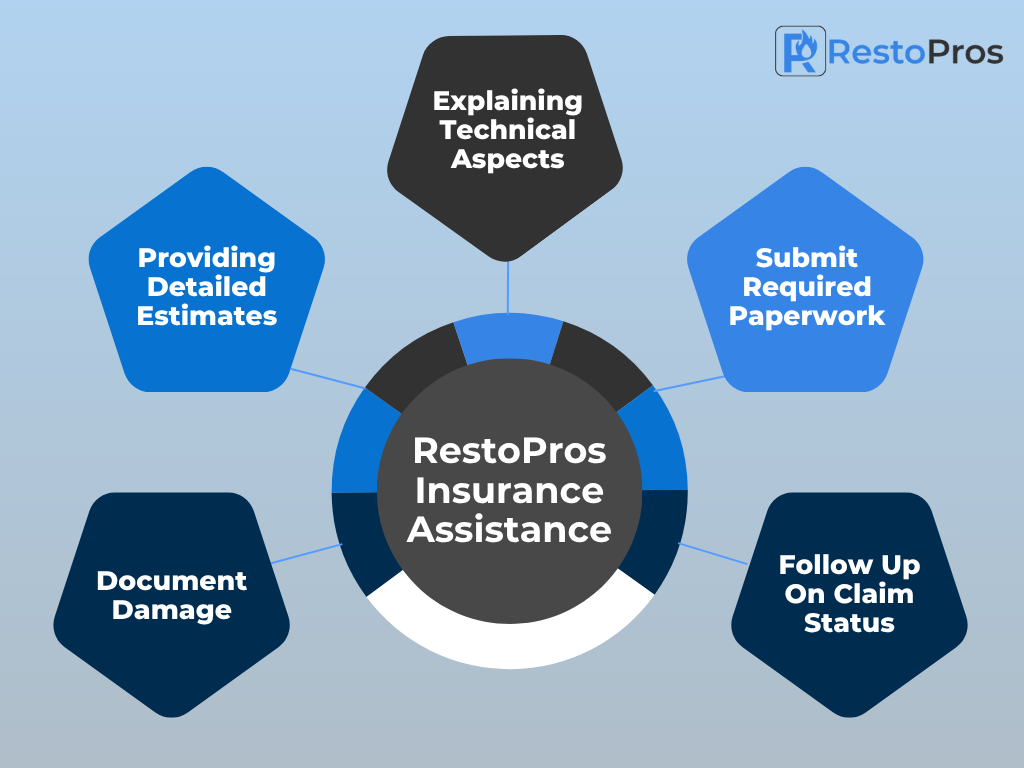
Professional restoration services like RestoPros assist by:
- Documenting damage thoroughly with photos and moisture readings
- Providing detailed estimates for necessary work
- Explaining technical aspects to adjusters
- Submitting all required paperwork promptly
- Following up regularly on claim status
The restoration team’s expertise in insurance documentation helps maximize coverage while meeting all requirements for proper claims processing. This allows property owners to focus on recovery while professionals handle insurance complexities.
Don’t Wait—Your Home and Health Depend on It
Sewage backup cleanup costs can vary significantly based on factors like contamination level, affected area size, and needed repairs driving the final price. Professional sewage cleanup isn’t just about expense; it’s about protecting your health from harmful bacteria and preventing long-term property damage.
Sewage backup cleanup requires advanced equipment, protective gear, and expert knowledge of safety measures. RestoPros’ trained technicians handle the entire cleanup process, from initial assessment through final sanitization, while working directly with your insurance company to make the claims process smoother.
Don’t risk your health trying to clean up sewage backup yourself. RestoPros is available 24/7 for emergency sewage cleanup services. Our certified team will quickly restore your property to a safe, clean condition. Contact us now to get immediate assistance with your sewage emergency.