Blog
Fireplace Safety: How to Keep Your Home Safe
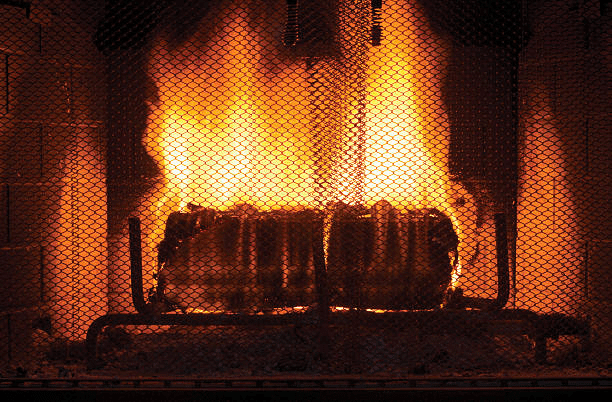
The Short Answer: Fireplace safety includes an annual professional inspection, keeping anything that can burn a safe distance from the firebox, and clearing creosote buildup before it has a chance to ignite. Most fireplace and chimney fires trace back to equipment that was never cleaned, rather than to one careless moment.
A hearth fire is one of the few home hazards people invite in on purpose. That works out fine when the flue is clear, a screen is in place, and the equipment gets serviced every year. It turns dangerous when a season of buildup goes unnoticed, and an ordinary fire finds its way into the chimney.
What the Numbers Say
The National Fire Protection Association counts an average of 48,530 home heating fires per year, causing roughly 500 deaths, 1,350 injuries, and $1.1 billion in direct property damage.
Three details in that data matter for anyone with a fireplace:
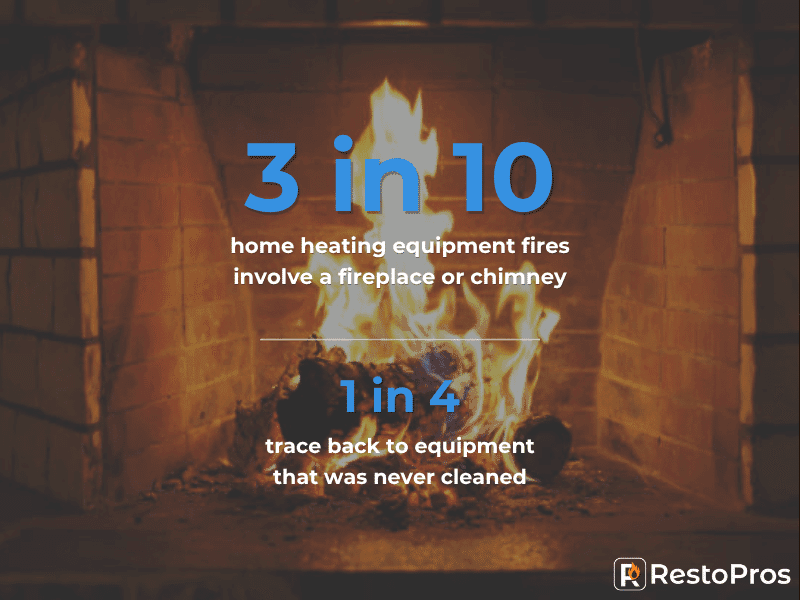
- Fireplaces and chimneys were involved in about 3 in 10 home heating equipment fires
- Failure to clean equipment, chimney flues in particular, accounted for about a quarter of all home heating fires
- Nearly half happened in December, January, and February
The U.S. Fire Administration ranks heating as the second leading cause of residential building fires. These are not rare, and the leading cause is a lack of maintenance.
Where Fireplace Fires Actually Start
Creosote in the Chimney Flue
Burning wood leaves creosote, a tar-like residue that coats the inside of the chimney. Creosote buildup is highly flammable. Once the layer is thick enough, a single spark or a hot fire can ignite it, and a chimney fire burns at temperatures that crack flue tiles and reach the framing around the chimney. Some chimney fires are loud and obvious. Many are slow, quiet, and only found later during a chimney inspection.
Heat Too Close to What Can Burn
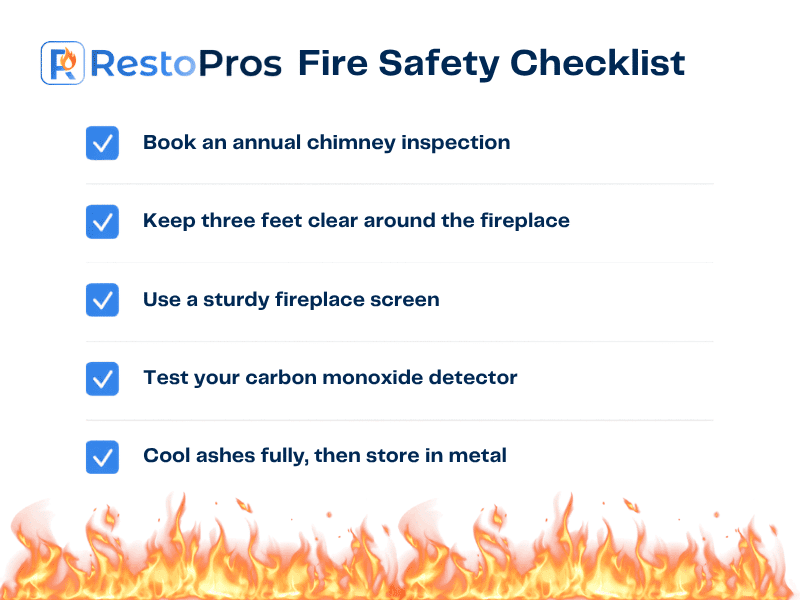
NFPA guidance is to keep anything that can burn at least three feet from all heating equipment, including a fireplace, wood stove, or space heater. Furniture, rugs, stacked firewood, holiday decorations, and a dry Christmas tree all count as combustible material. This one factor drives more than half of home heating fire deaths.
Embers, Ash, and Open Flame
A fireplace safety screen or glass door keeps sparks in the firebox. A sturdy screen also prevents accidental contact with the glass or grate, which can cause a serious burn in under a second for a small child or a pet. Ashes stay hot far longer than they look. NFPA advises letting them cool fully, then placing them in a metal container kept a safe distance from the house.
Signs Your Chimney Needs Service Now
- A strong smoky smell coming from the fireplace area when no fire is burning
- Smoke spilling into the room, which often points to a blocked flue or poor air supply
- Dark flakes or a shiny black glaze visible inside the firebox
- A fireplace damper that sticks, grinds, or will not seal
- A missing or damaged chimney cap, or signs of an animal nest above the firebox
Fireplace Safety by Type
Every kind of hearth carries a different risk profile, and each one needs different service.
| Type | Main risk | What it needs |
| Wood-burning fireplace | Creosote buildup leading to a chimney fire | Annual inspection and sweeping, plus a fireplace safety screen |
| Wood stove or pellet stove | Overfiring and clearance to combustible material | Professional service, correct solid fuel, manufacturer clearances |
| Gas fireplace | Venting failure and carbon monoxide | Annual service of the vent, valve, and burner by a qualified technician |
| Ventless fireplace | Combustion byproducts and moisture released into the room | A working carbon monoxide detector and strict run-time limits |
| Electric fireplace | Electrical overload, since there is no open flame | A dedicated outlet with no extension cords or power strips |
| Portable outdoor fireplace | Escaping embers and accidental contact | Placement well away from structures, a safety barrier, and never flammable liquids |
Carbon Monoxide, the Risk You Cannot See
Carbon monoxide has no color and no smell. When a chimney flue is blocked by creosote, a collapsed liner, a bird nest, or a missing chimney cap, those deadly fumes have nowhere to go except back into the house.
Every level of a home with a fuel-burning appliance needs a carbon monoxide detector, tested regularly and replaced according to the manufacturer’s date. This applies to both gas fireplaces and wood-burning appliances. A working detector is often the only warning a family gets, since the early symptoms of exposure look like an ordinary headache or the flu.
When Fireplace Damage Happens Anyway
Some fireplace hazards are not as obvious. A blocked flue or a sudden downdraft can push soot through a room in seconds, coating walls, ceilings, upholstery, and everything inside cabinets. Smoke residue is acidic and can continue damaging surfaces the longer it sits, which is why the difference between calling on day one and day five matters.
Homeowners and business owners deal with the same problem after a fire. Firefighting efforts add water damage on top of the fire damage, and smoke odor settles into building materials well beyond the room where the fire started.
Protect Your Home Before the First Fire of the Season
Fireplace safety is a maintenance habit more than a set of rules. Annual inspection by a certified chimney sweep, three feet of clearance, a screen in place, and a working carbon monoxide detector prevent the large majority of fireplace and chimney fires. All four of these steps are important in keeping your fireplace and home safe.
When a fire or a smoke event happens anyway, the response needs to be fast. RestoPros inspects the full scope of the damage, uses air scrubbers, HEPA vacuums, and specialized equipment to clear soot and smoke residue, handles smoke odor removal with thermal fogging, ozone, or hydroxyl treatment, and repairs and rebuilds the structure back to pre-loss condition. We document everything for your insurance claim and work for you, rather than your insurance provider.
Inspections are free, our teams are IICRC-certified, and we answer 24/7. If your property has fire or smoke damage, contact us or find your nearest RestoPros location.
Frequently Asked Questions
A sudden chimney fire is generally treated as an accidental loss and is usually covered, including the smoke and water damage that comes with it. Damage traced to long-term neglect or deferred maintenance is often excluded, which is one more reason the annual inspection record matters. RestoPros documents the damage and works directly with your insurance provider on the claim.
Many go unnoticed while burning. Afterward, a certified chimney sweep looks for puffy or honeycombed creosote, cracked or displaced flue tiles, warped damper components, and discoloration on the chimney cap. Any of those findings means the chimney should not be used until it is repaired.
Light odor from a single smoky fire often clears with ventilation. Odor that lingers past a few days has bonded to porous materials like drywall, insulation, carpet, and upholstery, and surface cleaning will not reach it. That situation calls for professional odor removal.
Yes. A gas fireplace produces carbon monoxide as a normal part of combustion, and the risk comes from a venting failure rather than the fuel itself. A ventless fireplace makes a working detector even more important, since it releases combustion byproducts directly into the room.
Yes. Soot from a backdraft or puffback can spread through an entire floor and settle inside HVAC ductwork. Water entering through a failed chimney cap or crown can also cause hidden damage in surrounding walls, which sometimes surfaces later as mold rather than as fire damage.